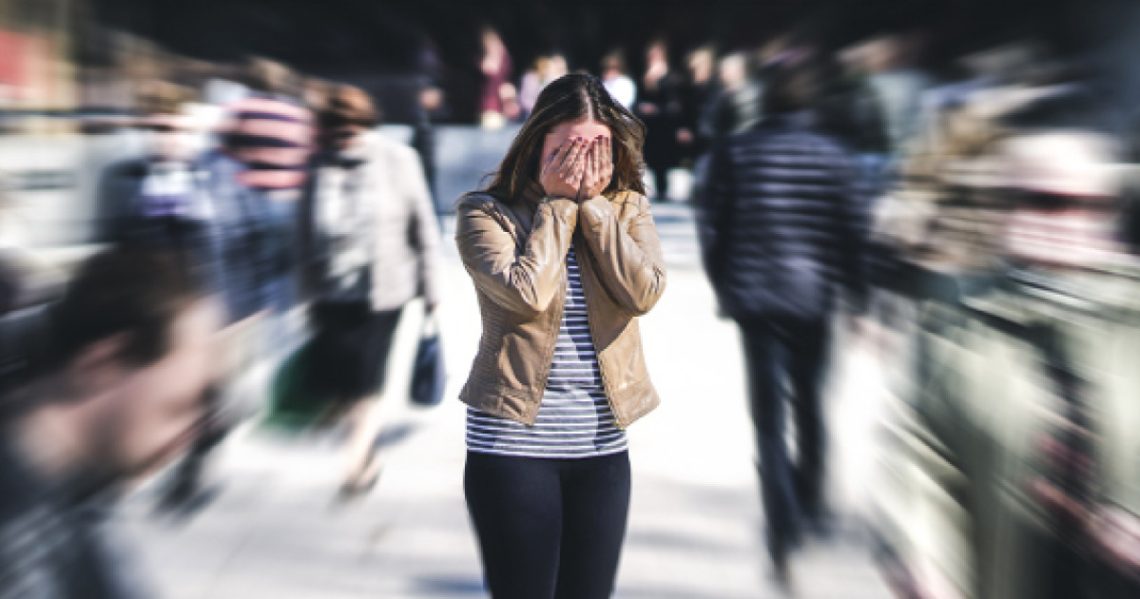
A panic attack is a sudden and intense feeling of fear or extreme anxiety. Symptoms can vary, but typically include rapid breathing, palpitations, excessive sweating, trembling, a feeling of choking, dizziness or lightheadedness, tingling or numbness in the hands and feet, a feeling of losing control or detachment from reality, fear of imminent death, or loss of sanity. Panic attacks can occur suddenly and can last from a few minutes to half an hour.
Why do panic attacks occur?
The exact causes of panic attacks are not fully understood, but it is believed that a combination of genetic, biological, psychological, and environmental factors may contribute to their onset. Some possible causes include:
Heredity:
There is a genetic predisposition for developing panic attacks in certain cases, especially if there are family histories.
Chemical imbalances in the brain:
Certain brain chemicals, such as serotonin and norepinephrine, may play a role in triggering panic attacks.
Stress and trauma:
Stressful events or past traumas can increase susceptibility to panic attacks. These can be major events or the accumulation of small stresses.
Environmental factors:
Situations or places where you previously experienced a panic attack may become associated with anxiety and trigger subsequent attacks.
Anxiety disorders:
Panic attacks may be related to anxiety disorders, such as generalized anxiety disorder or social anxiety disorder.
It is important to consult a doctor to evaluate the specific causes of your panic attacks and to receive appropriate treatment.
What can we do during a panic attack?
During a panic attack, there are several things you can do to manage the symptoms and help calm yourself:
Breathe deeply:
Focus on your breathing and try to breathe slowly and deeply. Deep breathing can help reduce the physical symptoms of anxiety.
Focus on reality:
Try to remind yourself that the panic attack is not dangerous and that it will pass. Encourage yourself to stay anchored in the present and remember that anxiety is temporary.
Think positively:
Focus on positive and comforting thoughts.
Use relaxation techniques:
Relaxation exercises, such as meditation, visualization, or progressive muscle relaxation techniques, can help reduce anxiety and stress.
Stay in a safe place:
If you feel better staying in a certain place, remain there until the symptoms begin to subside.
Avoid caffeine and nicotine:
These substances can exacerbate anxiety symptoms and panic attacks.
If panic attacks become frequent, it is important to seek medical or professional help.
What natural remedies are available for panic attacks?
There are several natural remedies you can try to manage panic attacks or reduce anxiety. Here are some options:
Regular physical exercise:
Physical activity can help release endorphins, known as the happiness hormones, which can contribute to reducing anxiety.
Meditation and mindfulness:
Meditation and mindfulness practices can help reduce anxiety and stress, providing you with tools to calm your mind and body.
Aromatherapy:
Some essential oils, such as lavender or peppermint oil, can have relaxing effects on the nervous system. You can try using them in diffusers or during massages.
Herbal teas:
Herbal teas such as valerian, chamomile, or linden have calming properties and can help induce a state of relaxation.
Breathing exercises:
Deep breathing techniques or controlled breathing can help reduce anxiety and calm the body.
Dietary supplements:
Some supplements like magnesium, vitamin B, and valerian are associated with reducing anxiety. However, it is important to consult a doctor before starting any supplement.
Reducing caffeine and sugar intake:
Caffeine and sugar can contribute to increased anxiety, so it may be helpful to limit their consumption.
A balanced diet:
Eating healthy foods rich in nutrients can support emotional balance and help manage anxiety.
Relaxation techniques:
Yoga, tai chi, or other relaxation techniques can help reduce tension and promote mental relaxation.
Socializing and emotional support:
Talking with friends, family, or a therapist can help release emotions and reduce stress.
In any case, each person is unique, and what works for one may not necessarily work for another. If panic attacks persist or become more severe, it is important to consult a health specialist for evaluation and guidance.