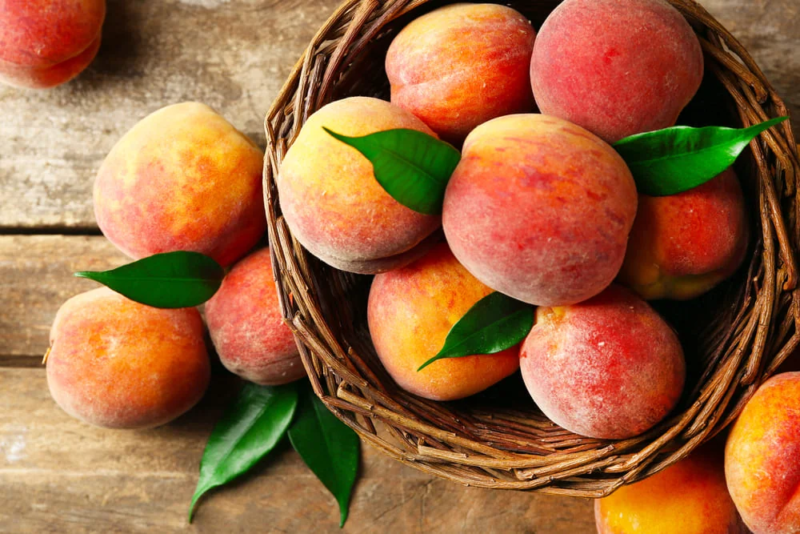
In the middle of summer, when the sun ripens the sweetness of fruits, peaches become the queens of the markets and gardens. With their delicious aroma and velvety texture, these fruits are not just a pleasure for the senses but also a true elixir for the body. Originating from China but loved worldwide, peaches have been used for centuries both in nutrition and traditional medicine for their therapeutic properties.
Benefits of Peaches: How They Affect the Body
1. Detoxify the Liver and Support Digestion
Peaches are rich in soluble and insoluble fibers, which stimulate intestinal transit and help eliminate toxins through the colon. A study published in Food Chemistry (2016) showed that peach extracts contribute to the activation of liver enzymes, protecting liver cells against oxidative stress.
How to use: Consuming 1-2 peaches a day, preferably in the morning, can support the liver in detoxification processes.
2. Boost Immunity with Phenolic Compounds and Vitamin C
A medium-sized peach provides nearly 15% of the daily requirement for vitamin C. Studies published in Journal of Medicinal Food (2015) highlighted the presence of flavonoids, such as quercetin and catechin, in peach skins—compounds that inhibit inflammation and protect the immune system against infections.
Recommendation: Do not peel peaches if they are untreated; the skin is the richest in antioxidants.
3. Reduce Inflammation and Prevent Cellular Degeneration
Due to their content of polyphenols and beta-carotene, peaches can help reduce chronic inflammation. A study in Oxidative Medicine and Cellular Longevity (2018) showed that polyphenols from peaches neutralize free radicals, reducing the risk of degenerative diseases (including Alzheimer’s and Parkinson’s).
4. Maintain Skin Health and Stimulate Collagen Production
Vitamins A, C, and zinc in peaches nourish the skin from within and aid in cellular regeneration. Some natural cosmetics contain peach extract for its emollient and antioxidant effects.
Hydrating Mask: Mix the pulp of a ripe peach with 1 tablespoon of honey and apply it to the face for 15 minutes.
5. Regulate Blood Pressure and Protect the Heart
Peaches contain potassium, an essential mineral for maintaining blood pressure balance. Studies have shown that a diet rich in potassium reduces the risk of stroke and heart attack.
Suggestion: Consume peaches as a snack instead of processed sweets to reduce sodium and refined sugar intake.
6. Improve Vision and Protect the Retina
Beta-carotene, a precursor to vitamin A, is essential for eye health. Peaches help prevent macular degeneration and cataracts, especially in the elderly.
Contraindications and Precautions
- Allergies: Peaches belong to the Rosaceae family and can cause allergic reactions, especially in individuals sensitive to birch pollen.
- Diabetes: Although they have a relatively low glycemic index, peaches contain natural sugars and should be consumed in moderation in cases of diabetes.
- Kidney Issues: Due to their potassium content, individuals with kidney insufficiency should avoid excessive consumption.
- Medication Interactions: In combination with diuretic or anti-inflammatory medications, they may cause electrolyte imbalances. Consult a doctor in such cases.
How to Consume Peaches for Maximum Effect
- Fresh: In fruit salads, smoothies, or as a simple snack.
- Dried: As a natural snack (be cautious with sulfites in commercial varieties).
- Fresh Juice: Ideal in the morning on an empty stomach, but not in large quantities (maximum 100 ml/day).
- In Sweet Dishes: With a little honey or agave syrup.
- Lightly Cooked: For individuals with sensitive digestion.
Sources:
- Journal of Medicinal Food Polyphenol Content in Peaches and Their Anti-inflammatory Activity
- Food Chemistry Peach Extracts as Natural Hepatoprotective Agents
- Oxidative Medicine and Cellular Longevity Antioxidant Properties of Peach-Derived Polyphenols




