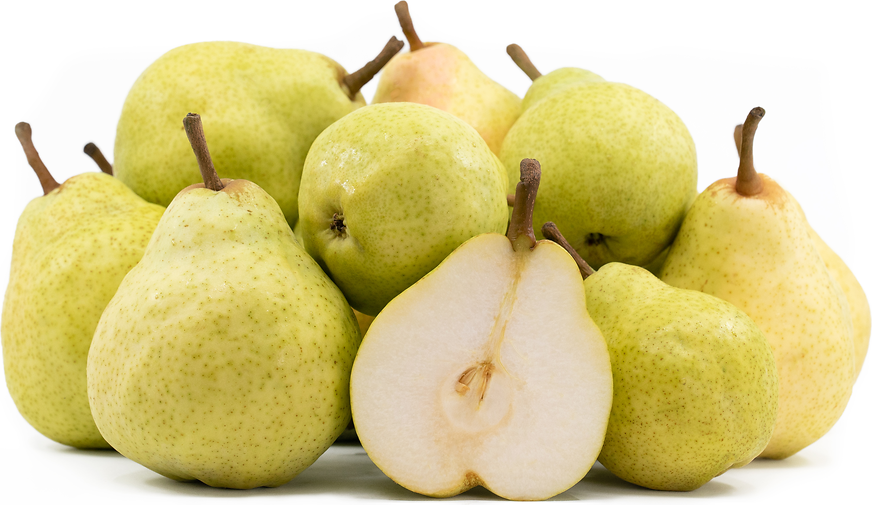
Pears have been a part of the international diet for thousands of years and have been found in Celtic literature, Roman history, and Chinese tradition. Their ability to grow in various temperature conditions makes them quite easy to cultivate.
In addition to their availability, pears have been appreciated for their health benefits for thousands of years. Modern science tells us that they contain minerals, vitamins, and organic compounds. Some of these active and effective components include potassium, vitamins A, C, and K, phenolic compounds, folate, dietary fiber, copper, manganese, magnesium, as well as B-complex vitamins.
Pears are rich in important antioxidants, flavonoids, and dietary fiber, with no fats or cholesterol. Some of the health benefits of pears include their ability to help with weight loss, improving digestion and heart health, regulating fluid levels in the body, reducing blood pressure, enhancing cognitive function, preventing cancer, promoting wound healing and tissue repair, boosting metabolism, improving blood circulation, and many more.
Fiber plays a very important role in human digestion. One pear provides 18% of the daily fiber requirement, playing a significant role in digestive health and function. Additionally, the friendly nature of the fibers in these fruits contributes to eliminating cancer-causing agents and free radicals from the colon, protecting against their harmful effects.
One of the concerns some people have about various fruits is their calorie content, primarily derived from natural sugars. However, pears contain very few calories, about 5% of the daily calorie allowance of a healthy diet. They have a minimal impact on weight gain and obesity.
Like most fruits, pears contain a multitude of antioxidants that combat various diseases and conditions in the body. Antioxidants are primarily known for their anti-cancer activities, and pears have been linked to the prevention of several types of cancer, including colon, rectal, breast, prostate, and lung cancer. This is not unique to pears, but they have a high antioxidant score compared to many other fruits.
The body’s immune system is stimulated by antioxidant activities and vitamin C. This vitamin boosts the production and activity of white blood cells. Pears, rich in these two components, are beneficial for eliminating conditions like colds, flu, or other mild illnesses, where a rapid boost to the immune system could aid in recovery.
Pears are a good source of potassium, which means they can have a significant impact on heart health. Potassium, a well-known vasodilator, lowers blood pressure and increases blood flow to all parts of the body, oxygenating organs and promoting their efficient functioning. Lowering blood pressure is linked to a reduced risk of cardiovascular diseases, heart attacks, and strokes.
Potassium acts as a regulator of fluids in the body, meaning it keeps various parts of the body hydrated and ensures the balance of essential fluids in cells and organs. Without potassium, many of the body’s most important functions would be slowed down or completely halted!
Vitamin C is an essential part of the synthesis of new tissues in various organs and cellular structures of the body. It keeps the body’s metabolism functioning correctly. Additionally, wound healing is accelerated due to it. It also helps repair damaged blood vessels.
For those suffering from anemia or other mineral deficiencies, pears can be very helpful due to their copper and iron content. Copper facilitates and improves the absorption of minerals in the body, while increased iron levels boost the production capacity of red blood cells. Iron is an important part of the body, and anemia is another name for iron deficiency. You can prevent fatigue, cognitive dysfunction, muscle weakness, and organ dysfunction by consuming foods rich in iron and copper, both of which are found in significant amounts in pears.
Folate (folic acid) is another valuable nutritional component of pears. Folic acid has been positively correlated with a reduction in neural tube defects in newborns, so folate-rich fruits like pears help with the health and happiness of babies, which is why pregnant women are always encouraged to maintain high levels of folic acid.
Antioxidant components and flavonoids help to reduce inflammation in the body and alleviate pain caused by it. Pears reduce symptoms of arthritis, rheumatic conditions, and other similar ailments.
The high mineral content in pears reduces mineral loss from bones, preventing osteoporosis and general weakness of the body due to lack of support from the bones.
Due to vitamin A, these fruits can reduce hair loss, macular degeneration, cataracts, and various other conditions associated with the aging process.




