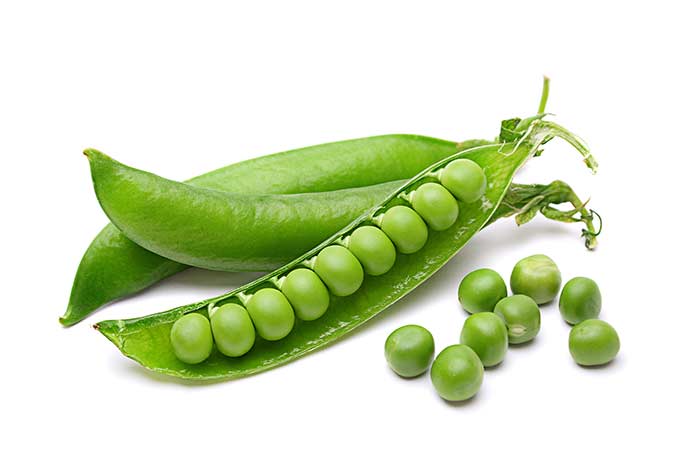
Peas are often overlooked when it comes to nutrition, but this inexpensive vegetable has a lot to offer. One of the most important benefits of consuming peas is reducing the risk of cardiovascular diseases. A wonderful source of antioxidants, vitamins A, C, and folic acid, peas included frequently in the diet help reduce the risks of heart attacks, atherosclerosis, and high blood pressure, preventing heart rhythm disorders, especially on hot days.
Fresh pea pods are an excellent source of folic acid. Folic acid is part of the B vitamin complex and is necessary for DNA synthesis within the cell. Recent studies have shown that foods rich in folic acid, consumed by pregnant women, may help prevent neural tube defects in newborns. Vegetables rich in this vitamin help the body develop resistance against infectious agents and assist in eliminating free radicals from the body.
Peas contain more starch than regular vegetables. They are also rich in protein, which is why they fall into the category of foods that can substitute meat, along with other plant-based protein-rich foods like beans and lentils.
Due to their high content of vitamins K and B6, peas reduce the risk of osteoporosis, support and maintain bone health, and are recommended in large quantities, especially for women past their youth who are susceptible to osteoporosis.
Pea seeds are a good source of protein and fiber. We cannot overlook their beneficial effect on the digestive system: consuming peas prevents constipation, improves digestion and the process of eliminating toxins from the body, and regulates blood sugar levels, being extremely rich in protein and fiber, providing a long-lasting feeling of fullness without jeopardizing one’s figure.
Peas have anti-inflammatory properties. This is due to the combination of phytonutrients, which are noted for their anti-inflammatory ability. Peas, when consumed frequently, also contribute significantly to improving vision and eye health, reducing the risk of macular degeneration, especially due to the high amount of lutein (a carotenoid that the body converts into an antioxidant).
Peas are also good for the soil. Peas not only nourish the body but also nourish the garden. Pea cultivation helps restore soil structure and fertility by fixing nitrogen in the soil, thus contributing to the health of other plants in the garden. Nutrient-poor soil does not produce very healthy food, so plant some peas!
Peas are an excellent source of manganese. Like peas, manganese does not receive the attention it deserves. This vital micronutrient is necessary for preventing wrinkles and regulating blood sugar levels. A rich source of iron, peas effectively combat anemia, fight chronic fatigue, and energize us instantly, thanks to their high vitamin content, making us more resilient to physical effort, promoting cellular oxygenation, and being a real source of strength and vitality.
Peas are also very good for the heart. Like barley, peas contain a type of soluble fiber called beta-glucans, which lower bad cholesterol. High levels of bad cholesterol are closely linked to heart diseases and type 2 diabetes.




