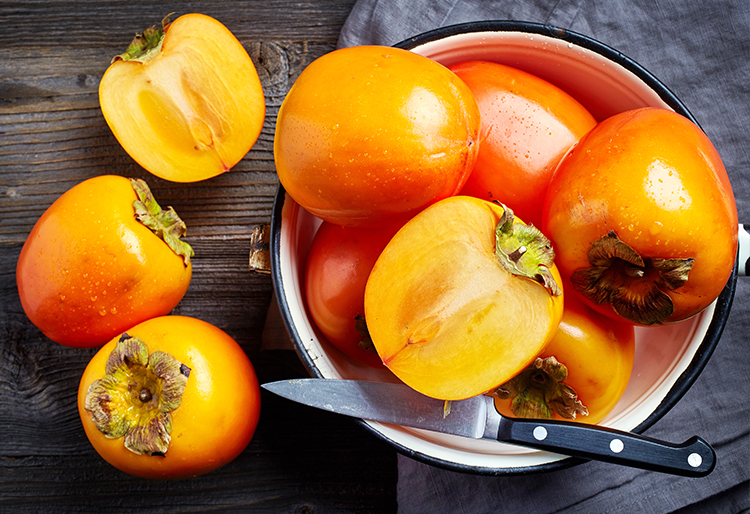
From the gardens of the Far East to America, the persimmon fruit has become a staple in subtropical and sub-Mediterranean climates. With large, shiny leaves that create a Mediterranean atmosphere, this tree brings not only visual beauty but also impressive nutritional benefits. Every year, at the beginning of summer, the discreet flowers of the persimmon bloom, and in autumn, the fruits are ready for harvest.
The history and spread of the persimmon fruit
The Japanese persimmon, scientifically known as Diospyros kaki, is the fruit that dominates the markets in the United States. It has an impressive history of over 2,000 years in Asia, being cultivated both for food consumption and for medicinal purposes.
Originating from China, the persimmon reached the United States through Commodore Matthew C. Perry, who brought the seeds of this tree to the U.S. in the 1850s after his historic expedition to Japan. Later, in the early 20th century, Japanese immigrants settled in California and continued to cultivate these trees, enriching the cultural and gastronomic landscape of the region.
However, in local markets outside of California, persimmon is still not a very common fruit. This is mainly due to the fact that persimmon fruits do not transport well, often being shipped unripe. California is responsible for the majority of commercial production in the U.S., but this is limited, with persimmon remaining an exotic fruit, cultivated on a small scale or for ornamental purposes.
Health benefits and nutrition of persimmon fruit
In addition to its unique taste, persimmon is a rich source of essential nutrients. The persimmon fruit is an excellent source of vitamins A and C. One fruit provides 55% and 21% of the recommended daily values, respectively. Additionally, it is rich in fiber and manganese, being beneficial for the health of the digestive system.
However, it is important to consume ripe persimmons. People should avoid unripe persimmons, as tannins, stomach acid, and indigestible plant material can form a bezoar: a hard mass that can lead to gastric obstruction and surgical intervention.
Persimmon fruits are packed with powerful antioxidants, such as carotenoids and flavonoids. Diets rich in these compounds have been associated with a reduced risk of certain diseases, including heart disease and diabetes. Additionally, these antioxidants help reduce inflammation and support heart health by lowering blood pressure and cholesterol levels.
Persimmon is not only beneficial for health but can also be integrated into a variety of dishes, both sweet and savory. Persimmon fruits taste wonderful in sweet dishes as well as savory ones, including oatmeal, meat dishes, pastries, and smoothies.
A valuable fruit with potential
Persimmon continues to gain popularity globally due to its nutritional benefits and versatility in cooking. Although it is not yet a constant presence in all markets due to logistical challenges, those who have the opportunity to consume it can fully enjoy its health qualities and exotic taste.
Using persimmon in gastronomy
The high pectin content in persimmon has been used to make jelly as a thickening agent. The fruits can be added to muffins.
When ripe, persimmons can be added to muffin batter, transformed into puddings, creams, or compotes served with a light mascarpone cream. When it has ripened to a truly gelatinous consistency, as described above, many people simply scoop it out of the skin. It is often paired with savory ingredients for its strong sweet flavor, like figs.
Persimmon fruits pair well with smoked meats, cheeses, salads, and more. They go wonderfully with a variety of crunchy seeds, which contrast nicely with the soft texture.
It can be consumed raw, as fruit juice, dried, made into jams, or preserved and can be kept frozen in the refrigerator. The perfectly ripe fruit, free of tannic acid, is peeled or scooped out, sweetened to taste, drizzled with lime juice, and served warm. The pulp can be added to fruit salads, mixed with yogurt and other dairy products, but can also be used as a filling for cakes, jams, or jellies. Ripe fruits can be stored in the refrigerator for a maximum of 2 days.
Persimmon fruits ripen at room temperature for 2-3 days when wrapped in a cloth. In Southeast Asia, the pulp of boiled fruits is dried into small cakes. The seeds that contain tannic acid lose their bitter taste when boiled and left in cooking water overnight. Roasted seeds are a coffee substitute.
How to store and preserve persimmon fruit?
For ripening, place persimmon leaves down on the kitchen counter. This process can take days and should not be rushed to avoid a mouthful of tannins. However, it should maintain a crunchy consistency and is best stored in the refrigerator.
Freezing and dehydrating are excellent ways to preserve persimmon fruits. If you have some time, the traditional Japanese method of preserving persimmons, called hoshigaki, involves hanging them and massaging them daily for three to five weeks until they are soft and chewy. You can also make persimmon jelly.
Did you know?! Curiosities about persimmon fruit
Unripe persimmon fruit can numb the mouth.
Persimmon fruits were first cultivated in China over 2,000 years ago.
Persimmon is the national fruit of Japan.
Persimmon seeds were used as coffee and buttons during the Civil War.
Persimmon oil is an effective bait for trapping wild animals.
Unripe persimmon fruits are used to make natural dyes in Japan.




