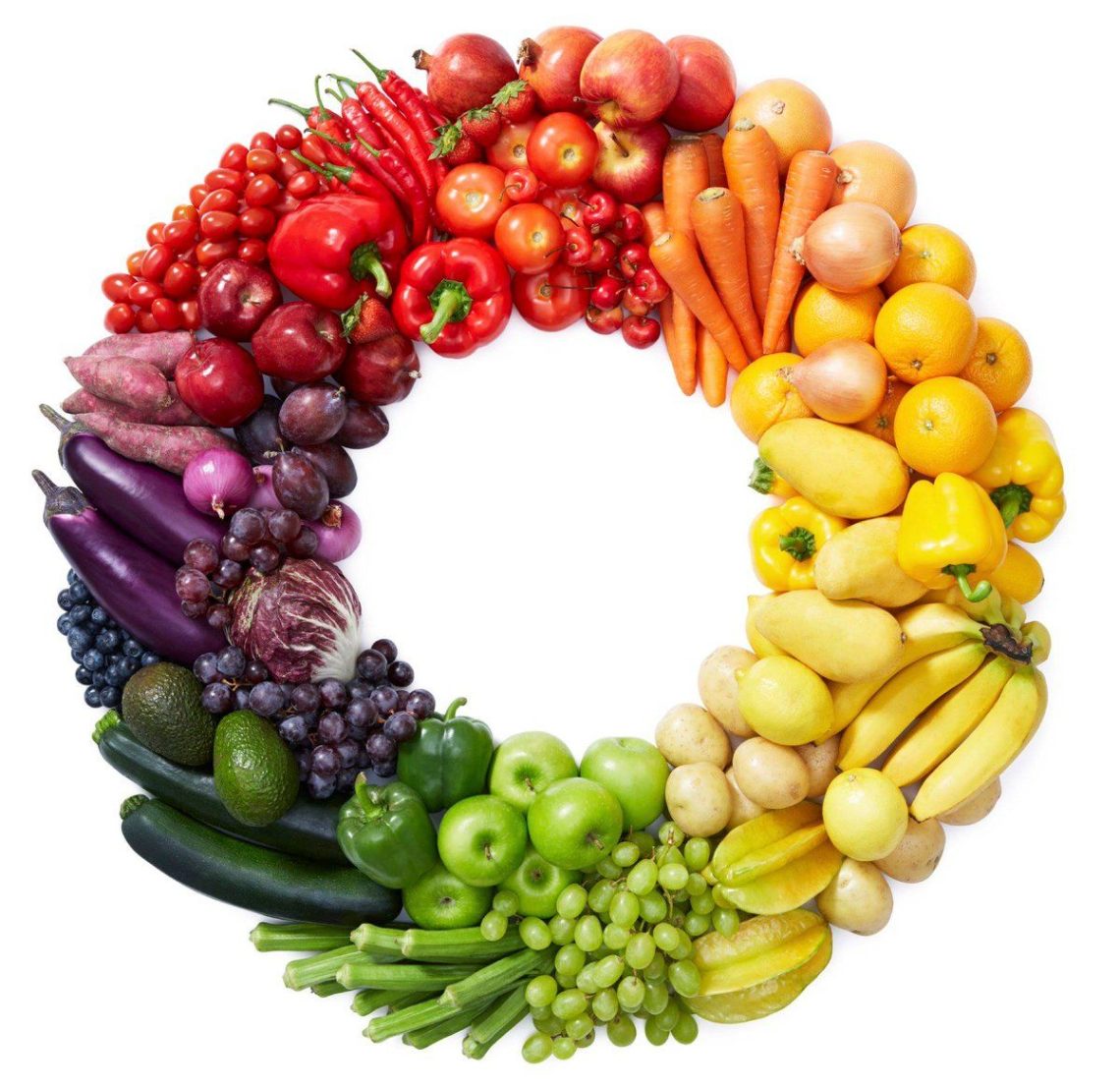
Phytochemicals are nutrients found in plants and are developed to protect the plant from harmful environments.
Plants are exposed to excessive ultraviolet radiation, harmful predators, toxins, and pollution, which leads to the generation of dangerous free radicals in their cells. These free radicals can bind to and damage proteins, cell membranes, and the plant’s DNA.
Fortunately, phytochemicals develop simultaneously to protect the plant from such damage, as well as to provide it with color, flavor, and aroma.
Since we are exposed to radiation and various environmental elements, such as UV light, we need phytochemicals to fight against the damage caused by free radicals.
What are phytochemicals?
The prefix “phyto” is of Greek origin and means “plant.” It is used because phytochemicals are obtained only from plants, which have been cultivated and used for the prevention and treatment of various human diseases for centuries.
The terms phytochemicals and phytonutrients are often used interchangeably. Many are also antioxidants, so you may find them under that name as well.
The American Cancer Society defines phytochemicals (or phytonutrients) as:
Plant compounds such as carotenoids, lycopene, resveratrol, and phytosterols that are believed to have health-protective qualities. They are found in plants such as fruits and vegetables or in plant-based products like tofu or tea. Phytochemicals are best absorbed through the consumption of foods that contain them rather than through supplements or pills.
Why do we need phytochemicals?
They support our immune system and normal cellular activity while simultaneously fighting against the harmful effects of free radicals. For example, they can make cells less susceptible to becoming cancerous and can prevent damage to the brain, heart, and other major organs.
Phytochemicals are actually the basis for more than 40% of today’s medications, including those used to treat lung and heart diseases, diabetes, obesity, and certain types of cancer. They are also found in herbs and spices, as well as in medicinal plants that have played a significant role in ancient history in promoting well-being.
Health Benefits
Here are some reasons why foods rich in antioxidants/phytochemicals are essential to include in a balanced diet that promotes longevity.
1. Reduced Blood Pressure and Increased Vasodilation
According to a study published in the New England Journal of Medicine, a diet rich in phytochemicals from fruits and vegetables, along with low-fat dairy products and reduced saturated fats, can significantly lower blood pressure. The authors concluded that such a diet offers a nutritional approach to preventing and treating hypertension, which is a major risk factor for heart disease.
Phytochemicals such as lycopene, found in tomatoes, can help protect against heart disease. The same is true for phytochemicals found in cocoa, known as flavonoids, which can help prevent heart damage caused by aging and environmental toxins.
They are even found in whole grains, such as wild rice and quinoa, which have been shown to protect against cardiovascular diseases and type 2 diabetes.
2. Improved Vision and Skin Health
The health benefits of blueberries, blackcurrants, and red wine include providing a group of phytochemicals called anthocyanins, which are believed to help improve vision and protect eye health.
The National Center for Biotechnology Information in the United States reports that visual acuity can be significantly improved by consuming certain foods with dark pigments. Improvement in night vision and overall vision has been particularly well documented.
Blackcurrants, for example, have resulted in significant improvement in night vision adaptation in human subjects, and similar benefits have been obtained after consuming blueberries.
Since cabbage contains carotenoids, it can produce a healthy and rosy glow to the skin. Cabbage may also help in the natural treatment of glaucoma due to its content of lutein and zeaxanthin.
A diet rich in phytochemicals, such as tocopherols, bioflavonoids, lycopene, and lutein, is believed to protect against sun damage and may help reduce the risk of skin cancer.
3. Reduced Inflammation and Enhanced Immune Support
Proanthocyanidins and flavan-3-ols are phytochemical substances that can help reduce inflammation that causes diseases. They are found in foods such as red wine, grape juice extracts, berries, and cocoa.
Better known as resveratrol, studies have shown that these foods play a role in cancer prevention and help combat diabetes, Alzheimer’s, Parkinson’s disease, stroke, and more. One way they do this is by reducing inflammatory responses.
Many foods rich in phytochemicals, such as those containing carotenoids, lycopene, and bioflavonoids, protect against cancer, including colon, prostate, and breast cancer.
For example, broccoli contains sulforaphane and is associated with a lower risk of breast cancer and improved survival rates. It may also reduce the metastatic potential of lung cancer and induce the liver’s detoxifying enzyme system.
Some phytochemicals also possess antibacterial or antiviral properties that help combat certain infections and viruses.
4. Lowering LDL Cholesterol
Certain sulfurs and thiols, these phytochemical substances help lower LDL cholesterol, which can accumulate in arteries and increase the risk of heart disease. These protective compounds are found in vegetables and herbs, such as onions, leeks, garlic, and olives.
Cruciferous vegetables are also beneficial for maintaining normal cholesterol levels as they are rich in carotenoids, isothiocyanates, lignans, and flavonoids. Additionally, they are high in fiber and low in calories, a combination that can protect against obesity.
5. Preventing Cell Damage
One of the largest classes of phytochemicals is terpenes, which include carotenoids. Carotenoids neutralize free radicals through a variety of foods, such as tomatoes, carrots, sweet potatoes, green and white teas, as well as other brightly colored fruits and vegetables.
These foods help prevent cell damage and also improve cellular communications. Additionally, they play a role in repairing DNA damage and gene expression, and protect our body from the effects of toxins, carcinogens, and even excessive exposure to UV light.
6. Support for Intestinal/Digestive Functions
Seeds such as flaxseeds provide lignans, which are essential for gut flora and can help combat leaky gut syndrome and autoimmune diseases.
Types of Phytochemicals
Flavonoids
Terpenes
Carotenoids, such as beta-carotene, lycopene, lutein, and zeaxanthin
Anthocyanins
Flavones and isoflavones
Catechins
Isothiocyanates
Organosulfurs and allyl sulfurs
Polyphenols
Lignans and plant sterols
Studies show that plants can contain over 100,000 phytochemicals, one of the reasons why it is recommended to consume at least five servings of fruits and vegetables per day.
Eating a varied diet can enhance the effectiveness of phytochemicals, as different plants and vegetables contain different types. When combined, they can have a more positive, synergistic effect.
There are three major classes of phytochemicals:
Phytochemicals: Doctors at the University of California Davis (USA) state that phytochemical substances are a large group of compounds derived from plants that are believed to be responsible for much of the disease protection conferred by diets rich in fruits, vegetables, beans, grains, and plant-based beverages like tea and wine.
Medicinal Plants: These include well-known plants, such as aloe vera, rich in benefits that help heal wounds, and arnica oil, which acts as an anti-inflammatory.
Herbs and Spices: The difference between herbs and spices is important. Herbs are fresh from the plant, while spices have been dried from the plant’s leaves. There are numerous herbs and spices that have therapeutic properties, such as dandelion tea, which acts as a natural diuretic, black pepper (Piper nigrum), which is used as a stimulant for the central nervous system, and cardamom (Elettaria cardamomum), which has anti-obesity properties.
Food Sources
On average, plant foods have about 64 times more antioxidants than animal-based foods. It is best to obtain plants from organic farms to avoid pesticides and maximize nutrient content.
To maximize nutrition, consume raw fruits and vegetables.
While studies are still ongoing to understand how much should be consumed, the American Cancer Society and the American Heart Association recommend a diet rich in a variety of fruits and vegetables to ensure adequate amounts of phytochemicals are obtained.
They also recommend obtaining these phytochemicals from foods rather than supplements.
What Foods Are Rich in Phytochemicals?
Cabbage, spinach, watercress, greens, and other leafy green vegetables
All types of onions
Garlic
Broccoli, Brussels sprouts, cauliflower, and other cruciferous vegetables
Flaxseeds, sunflower seeds, pumpkin seeds, walnuts, almonds, and other nuts/seeds
Beets
Red bell peppers
Herbs such as mint, basil, cilantro, rosemary, and cloves
Pomegranate seeds
Dark chocolate
Blackberries, blueberries, raspberries, strawberries, and other berries
All types of teas, such as green, black, white, and various herbal teas
Coffee
Carrots, zucchini, yams, and sweet potatoes
Tomatoes and tomato juice
Peaches, mangoes, melons, citrus fruits, and other fruits
Legumes such as dried beans, peas, and lentils
100% whole grains such as oats, barley, brown rice, wild rice, quinoa, and organic corn
Other medicinal plants rich in phytochemicals include:
Aloe vera
Arnica
Milk thistle
Cloves
Dandelion
Ginkgo biloba
Ginseng
Lavender
Peppermint
Witch hazel
Risks and Side Effects
Phytochemical supplements are not the best way to obtain the same compounds found in whole foods. Phytochemicals work best when combined.
This is most easily achieved by regularly consuming a variety of foods, as many supplements only provide a portion of the phytochemical substances.
Some may experience adverse reactions, such as an allergic reaction, when taking phytochemical supplements. It is recommended that those with existing medical conditions take additional precautions if they choose to introduce phytochemicals through supplements.
If you choose to consume a diet higher in fiber than usual, consider doing so gradually, allowing your body time to adapt, especially if you choose to eat raw, cruciferous, and fiber-rich plants such as kale, broccoli, cauliflower, and Brussels sprouts.




