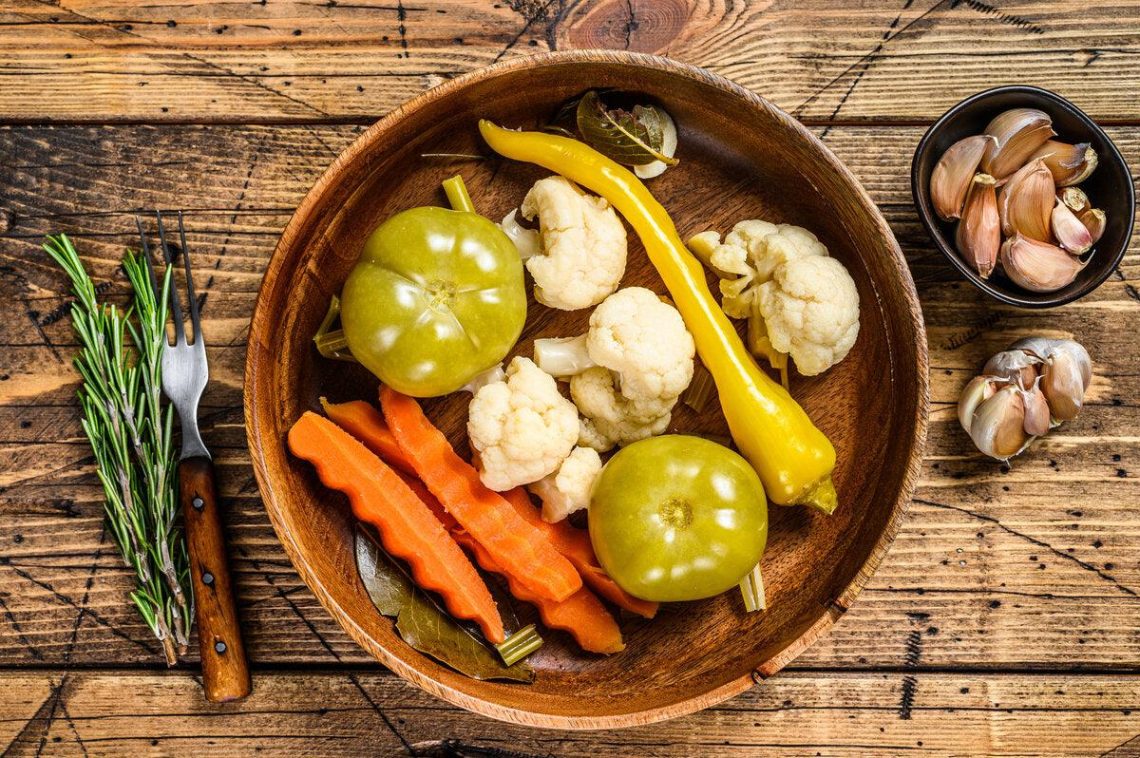
Pickles have a low calorie and fat content, being rich in vitamin K, which is especially important for blood clotting after traumatic injuries. They also contain other vitamins and minerals, but due to the fermentation process, the amounts are much lower than in raw vegetables: calcium, potassium, phosphorus, magnesium, iron, zinc, copper, and manganese. Pickles also contain small amounts of B vitamins, vitamin A, and very little vitamin C and folic acid. Antioxidants have also been identified in small quantities: beta-carotene and lutein, which protect the eyes from chronic diseases by filtering blue light from the retina and act as antioxidants (fighting free radicals that cause cellular degradation, which can lead to cancer, heart diseases, and others). They seem to be a good source of dietary fiber, which contributes to optimal intestinal transit, lowers cholesterol and blood sugar levels, reducing the risk of heart diseases and diabetes. A less healthy aspect is that they contain an extremely high amount of salt, which can contribute to a series of ailments, especially if consumed in large quantities (therefore, moderate consumption is recommended).
As they are an excellent source of probiotics, similar to those found in yogurt, the probiotic cultures produced during the lactic acid fermentation of vegetables are known to have many benefits, such as: improved intestinal health, better immune system function, increased nutrient availability, reduced allergies, alleviation of inflammation, protection against microbial infections, and maintenance of optimal intestinal flora, which can help control weight gain and appetite. According to a study conducted by Nancy Lee Bentley, a nutrition and health consultant, on conditions that can be treated/improved with probiotics, beneficial effects have been demonstrated on: irritable bowel syndrome, atopic dermatitis, diarrhea, allergic rhinitis, and even the common cold.
Pickles reduce cold and flu symptoms. They contribute to the development of children’s immune systems.
Studies show that the aforementioned probiotics can reduce the risk of colon cancer.
Recent studies suggest that the intestinal flora communicates with the central nervous system and has a potential impact on brain function and behavior, including anxiety, mood, cognition, and pain.
The intestinal microflora acts as an indicator for the horizontal transfer of genes between microbes. This aspect enhances the potential for adaptability of intestinal health to external and internal factors.
Some studies indicate an association between the intake of inorganic nitrate through beet juice and lower blood pressure; pickled beets have been shown to reduce muscle cramps.
Lactic acid fermentation produces important antioxidants and nutrients, such as folate (folic acid), which is very important for fetal development and blood cell production.
In the case of pickles fermented with vinegar, it has been considered that they can enhance fat burning metabolism, but this is a minimal effect; a notable effect of vinegar, however, is observed on blood sugar levels (the acids in it slow down digestion and carbohydrate absorption, a positive aspect for health).
Pickles in brine are beneficial in the fight against intestinal microbes. When vegetables ferment during the pickling process, lactic acid is created. This acid helps to lower cholesterol, improve circulation, and reduce blood pressure. Additionally, pickles in brine support the digestive system and provide a supply of good bacteria in the intestines. They are also beneficial for diabetics, but in small quantities.
Those who frequently consume pickles have fewer skin problems, asthma, and certain immune system dysfunctions.
Pickles in vinegar also provide several important benefits for the human body. Vinegar supports the immune and digestive systems, alleviates certain digestive disorders, and destroys harmful calcium deposits in joints. Along with these benefits, pickles in vinegar also taste very good. Vinegar is beneficial for those suffering from hypertension and helps treat urinary infections.
Pickles in vinegar help remineralize bones and fight infections. Vinegar is also antibacterial and antifungal and helps inhibit the growth of E. coli bacteria.
Recently, housewives have started to replace wine vinegar with apple cider vinegar. This brings even more benefits to the body. Apple cider vinegar contains numerous minerals, pectin, and amino acids that should not be missing from healthy diets.




