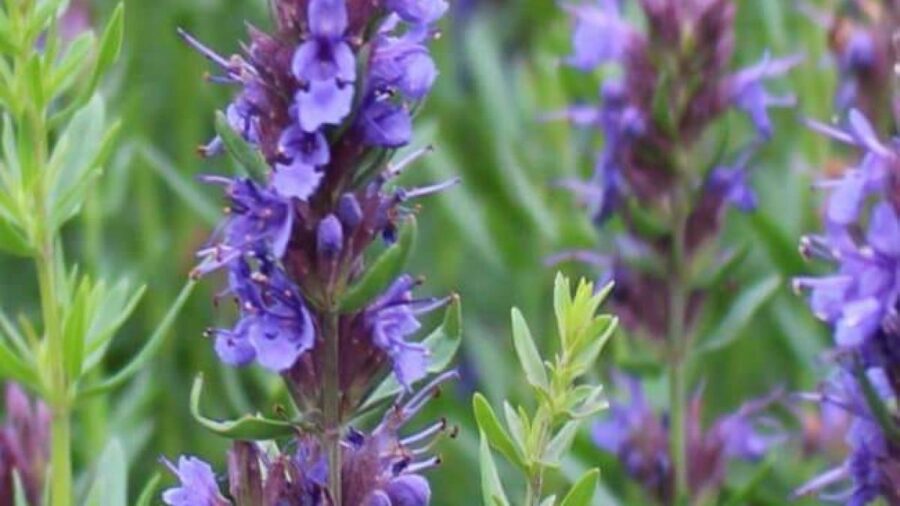
The plant of hyssop, mentioned in the Bible, adapts well to the cultivation conditions in Romania. It is renowned for its ability to contribute to the healing of the body, soul, and mind. It is beneficial to plant it in your garden.
The director of the Buzau Bank of Genetic Vegetable Resources emphasizes the long-standing association of the hyssop plant with the purification of the body and soul, mentioning its traditional use in treating leprosy patients.
In addition, hyssop is a medicinal plant with antioxidant, anti-inflammatory, and antimicrobial properties. In popular tradition, it is believed that hyssop brings benefits to the digestive and respiratory systems.
Throughout history, hyssop has been associated with the cleanliness of the body, mind, and soul. Its subtle aromas defied the helplessness of lepers and the houses that cried out for healing and forgiveness (Leviticus 14:4-7). A symbol of purification and healing, hyssop reminded the faithful of the cleansing of the soul and the healing of sins.
It is a simple yet powerful medicinal and therapeutic plant. I invite you to discover it, to grow it in your gardens, and to use it for all the attributes it has been endowed with, said Costel Vântoru, director of the Buzau Bank of Genetic Vegetable Resources.
Read also: Hyssop Tea: What You Can Treat with This Holy Plant
The Hyssop Plant Can Be Planted in Gardens
To have hyssop in your garden, you need to choose the right location. Hyssop prefers sunny areas, so choose a spot that receives at least 6 to 8 hours of sunlight per day.
The soil should allow for good drainage. This plant thrives best in poor, dry, and sandy soils.
You can plant hyssop either from seeds or by purchasing ready-grown plants. If you choose seeds, plant them before the last frost, at a depth of about 3 mm. Cover the seeds with a thin layer of soil and water them abundantly. Sowing can be done in spring or autumn.
In the case of ready-grown plants, prepare holes in advance, maintaining a distance of about 30 to 45 centimeters between plants.
Health Benefits of Hyssop
Hyssop is an aromatic plant that offers numerous health benefits. Among these are its expectorant and antitussive actions, antiseptic and antibacterial properties, digestive and carminative effects, and sedative and antispasmodic actions.
Regarding the expectorant and antitussive action of hyssop, it helps alleviate cough and eliminate bronchial secretions, being useful in cases of bronchitis, colds, and flu. Additionally, a study conducted in 2017 demonstrated that hyssop essential oil can be effective in treating whooping cough in children.
The antiseptic and antibacterial properties of hyssop contribute to combating infections and bacteria, being useful in treating wounds, abscesses, and dermatological issues. A 2012 study showed that hyssop essential oil has an inhibitory effect on Staphylococcus aureus and Escherichia coli bacteria.
Hyssop also has digestive and carminative effects, facilitating digestion and helping to eliminate intestinal gas, preventing bloating and abdominal pain. Furthermore, hyssop can be useful in treating indigestion and abdominal cramps.
Finally, the sedative and antispasmodic action of hyssop has a calming and relaxing effect on the nervous system, being beneficial in cases of anxiety, stress, insomnia, and menstrual pain.
Therapeutic and Aromatic Properties of Hyssop
The therapeutic and aromatic properties of hyssop are extremely valuable for our health. Hyssop contains active compounds such as thymol and carvacrol, which have strong antimicrobial effects, being effective against bacteria and viruses. According to a study published in the Journal of Applied Microbiology, hyssop essential oil demonstrated antibacterial activity against numerous strains of bacteria, including Staphylococcus aureus and Escherichia coli.
Hyssop has anti-inflammatory and antispasmodic effects due to its content of flavonoids and phenolic acids. These properties can be useful in alleviating muscle and joint pain, as well as reducing inflammation and spasms in the digestive or respiratory tract. A study published in the Journal of Ethnopharmacology showed that hyssop extract can reduce inflammation and alleviate spasms in rats.
Hyssop essential oil has a pleasant and relaxing scent, which can help calm the nervous system and reduce stress, anxiety, and insomnia. According to a study published in the Journal of Alternative and Complementary Medicine, inhaling hyssop essential oil led to a significant reduction in blood pressure and increased heart rate, as well as improved mood.
Regular consumption of hyssop can help strengthen the immune system, due to its rich content of antioxidants, vitamins, and minerals. According to an article published in the Journal of Agricultural and Food Chemistry, hyssop extract has demonstrated strong antioxidant properties, protecting cells against oxidative stress and improving immune function.
In conclusion, hyssop is a valuable medicinal plant with remarkable therapeutic and aromatic properties. From its antimicrobial and anti-inflammatory properties to its calming effects and immune-boosting benefits, hyssop can be used for various purposes to improve health. It is important to always consult a doctor before starting any treatment with medicinal plants.
Culinary Uses of Hyssop
Hyssop is an aromatic plant that can be used in a variety of ways in the kitchen. Its leaves and stems can be used to provide a distinctive taste and aroma to culinary dishes. Hyssop can be used in various dishes, including soups, stews, or sauces. It also pairs very well for marinating meat, especially lamb.
Another way to incorporate hyssop into culinary preparations is by using its leaves to decorate and enhance the appearance of dishes. They can be sprinkled over salads, vegetables, fish, or other dishes, providing a refreshing and pleasant taste.
Hyssop can also be used to prepare beverages and cocktails. Flavoring lemonade with hyssop can provide a refreshing and flavorful drink. Additionally, hyssop can be added to various alcoholic beverages, such as gin and tonic or mojito, offering an original and aromatic taste.
Moreover, hyssop can be added to baked goods and desserts. Its distinctive and pleasant aroma can add flavor and originality to these sweet preparations. Cakes, muffins, cookies, or ice cream can be made with hyssop.
According to a study published in the Journal of Food Science, using aromatic plants in the kitchen can provide health benefits. Hyssop contains antioxidant compounds that can help protect the body’s cells against oxidative stress. Additionally, hyssop also contains anti-inflammatory compounds that can help reduce inflammation in the body.
In conclusion, hyssop is a valuable plant due to its health benefits, therapeutic and aromatic properties, as well as its numerous culinary uses. Don’t miss the opportunity to incorporate hyssop into your life, whether in the kitchen or as a natural remedy. We encourage you to explore our website for more relevant information or to discover hyssop-based products, so you can enjoy all the properties of this wonderful plant.




