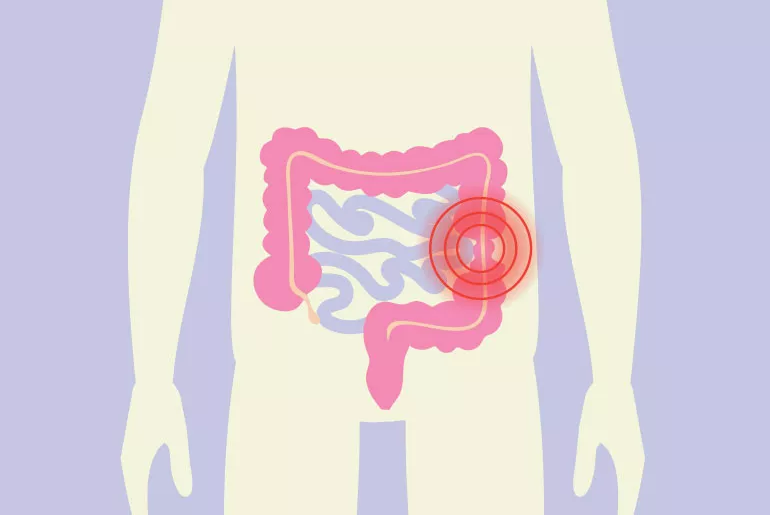
Irritable Bowel Syndrome (IBS) affects millions of people and is characterized by bloating, abdominal cramps, diarrhea, or constipation. It is a functional disorder without a clear organic cause, but it is strongly influenced by stress, diet, and imbalances in the gut microbiota.
Phytotherapy offers a range of natural solutions with scientifically documented results, especially when plants are combined synergistically.
Common Symptoms of Irritable Bowel Syndrome:
- Persistent bloating
- Abdominal discomfort, especially after meals
- Alternating diarrhea/constipation
- Feeling of incomplete evacuation
- Pain relieved after bowel movement
The Most Effective Plants for IBS, Recommended by Phytotherapists:
1. Peppermint (Mentha piperita)
It has an antispasmodic effect, relaxes the smooth intestinal muscles, and reduces cramps and gas. Peppermint oil has been tested in numerous studies for alleviating symptoms of irritable bowel syndrome.
2. Lemon Balm (Melissa officinalis)
It has a calming effect on the nervous system and an antispasmodic effect on the intestines. Ideal for IBS forms aggravated by stress or anxiety.
3. Chamomile (Matricaria chamomilla)
It calms inflammation of the intestinal mucosa, reduces spasms, and improves digestion.
4. Caraway (Carum carvi)
It stimulates digestion, reduces bloating, and abdominal discomfort. Particularly effective when combined with peppermint.
5. Fennel (Foeniculum vulgare)
It helps eliminate gas, soothes abdominal pain, and supports intestinal motility.
6. Ginger (Zingiber officinale)
It has anti-inflammatory, carminative effects and generally improves digestion.
Studies:
- Peppermint oil for the treatment of irritable bowel syndrome: a meta-analysis BMJ, 2019
This analysis of 12 clinical studies showed that peppermint oil significantly reduces abdominal pain and bloating in patients with IBS.
The effect is due to menthol, which acts as a calcium channel blocker in smooth intestinal muscles. - Caraway and peppermint oil combination improves symptoms in patients with functional dyspepsia and IBS Phytomedicine, 2016
The study showed that a combination of caraway and peppermint has excellent results in calming spasms and reducing bloating. - Effects of Melissa officinalis extract on anxiety and stress-related gastrointestinal symptoms Pharmacopsychiatry, 2014
Lemon balm demonstrated significant anxiolytic effects and improvement of digestive symptoms related to stress.
Effective Plant Combinations
Calming Tea for Irritable Bowel Syndrome (Daily Use)
Ingredients:
- 1 tablespoon peppermint
- 1 tablespoon chamomile
- 1/2 tablespoon fennel
- 1/2 tablespoon lemon balm
Preparation:
- The plants are infused in 500 ml of boiling water for 10 minutes.
- Drink 2 cups a day, between meals.
Combined Antispasmodic Tincture
Ingredients:
- Peppermint tincture: 25 ml
- Caraway tincture: 25 ml
- Lemon balm tincture: 25 ml
Administration:
- 30 drops in a little water, twice a day, before meals.
Contraindications and Precautions
- Peppermint and lemon balm are contraindicated in cases of severe gastroesophageal reflux.
- Chamomile should be avoided in case of allergy to plants from the Asteraceae family.
- Ginger may interact with anticoagulant medication.
- Consult a phytotherapist or doctor in case of persistent symptoms or in combination with other digestive diseases.
For those suffering from irritable bowel syndrome, medicinal plants can offer a natural and gentle solution, especially when combined correctly. Teas made from peppermint, lemon balm, chamomile, and fennel have proven effects in reducing spasms and intestinal discomfort, while tinctures can provide additional support in more severe forms.




