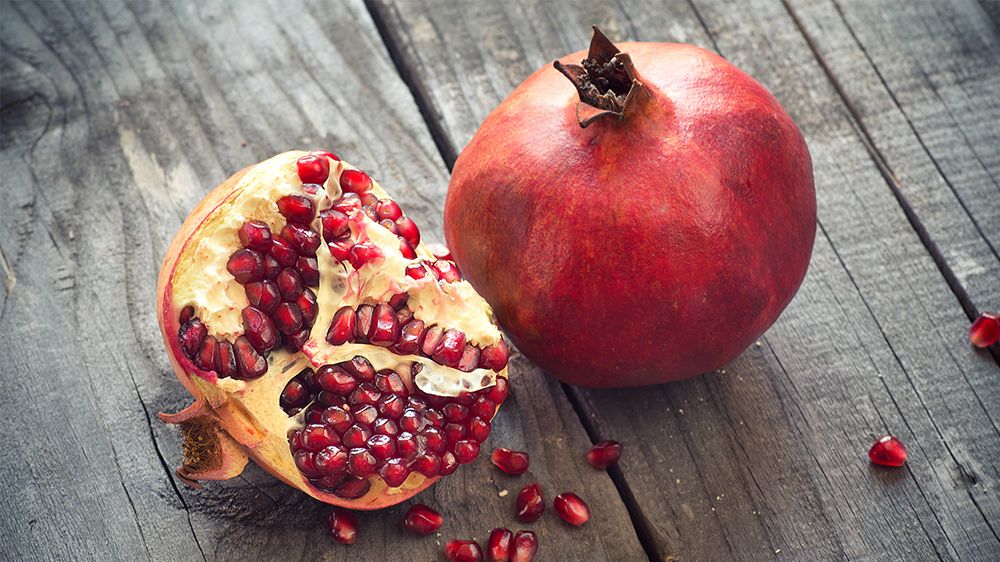
Rich in antioxidants and beneficial polyphenols, studies show that pomegranate seeds may help reduce inflammation, slow the growth of cancer cells, combat infections, and stimulate brain function. Additionally, they are delicious, nutritious, and easy to enjoy in a variety of recipes.
Nutritional Information
Pomegranate seeds are an excellent source of several nutrients, including vitamin K, vitamin C, folate, and potassium. They are low in calories but high in heart-healthy fiber.
Half a cup (approximately 87 grams) of pomegranate provides approximately the following nutrients:
72.2 calories
16.3 grams of carbohydrates
1.5 grams of protein
1 gram of fat
3.5 grams of fiber
14.3 micrograms of vitamin K (18% DV)
8.9 milligrams of vitamin C (15% DV)
33.1 micrograms of folate (8% DV)
0.1 milligrams of copper (7% DV)
205 milligrams of potassium (6% DV)
0.1 milligrams of manganese (5% DV)
Health Benefits
1. Natural Aphrodisiac
In many cultures, pomegranates have been associated with fertility and abundance due to their numerous seeds. In recent years, the fruit has also been studied for its libido-enhancing effects.
A study conducted by Queen Margaret University in Edinburgh found that consuming natural pomegranate juice increased salivary testosterone levels in participants by an average of 24%, which may lead to an improved mood and increased sexual desire.
2. Reduces Arthritis and Joint Pain
Arthritis is a common condition characterized by inflammation of one or more joints, causing pain and stiffness that can worsen with age. Pomegranates are an excellent source of flavonols, a type of antioxidant that acts as an anti-inflammatory agent in the body and may help alleviate arthritis symptoms.
In fact, animal models demonstrate that pomegranate seed extract can reduce the onset and incidence of collagen-induced arthritis. Studies on animal subjects show that the severity of arthritis and joint inflammation can be significantly reduced by consuming pomegranate extract.
If you are already taking medication for arthritis, be sure to consult your doctor before adding pomegranate products to your daily routine.
3. Helps Fight Cancer
When it comes to cancer, more and more research shows that pomegranate seeds can act as a powerful cancer-fighting food.
For example, several in vitro studies have found that pomegranate extracts can effectively inhibit the growth and spread of cancer cells. Additionally, pomegranate seed oil contains punicic acid, a long-chain omega-5 polyunsaturated fatty acid that has been shown to block the proliferation of cancer cells.
Further research suggests that consuming pomegranate juice may slow the growth of prostate cancer, the most common cancer in men in the U.S.
Other in vitro studies have found that certain compounds in pomegranate juice exhibit strong antitumor effects and are capable of slowing the growth of prostate cancer cells in the lab.
4. Lowers Blood Pressure
Pomegranate juice contains several different types of antioxidants and polyphenols that can promote heart health by lowering blood pressure levels.
A 2013 study reported that consuming pomegranate juice could reduce systolic and diastolic blood pressure by 7% and 6%, respectively, in those with high blood pressure. Another study published in Phytotherapy Research concluded that pomegranate juice could be beneficial for those with hypertension, as it was able to lower blood pressure levels after just two weeks of daily intake.
5. Fights Bacterial Infections
Pomegranate extracts have been used since ancient times to treat various conditions, including parasitic and microbial infections, diarrhea, ulcers, canker sores, bleeding, and respiratory complications.
Not surprisingly, pomegranates have been shown to stimulate beneficial bacteria in the gut, which may enhance their ability to fight bacterial infections, according to research published in Evidence-Based Complementary and Alternative Medicine.
6. Improves Heart Health
Juice made from pomegranate seeds contains antioxidants at levels higher than many other fruit juices, helping to block cholesterol buildup in arteries for those at risk of heart disease.
Research published in Clinical Nutrition studied the effects of pomegranate juice on individuals with carotid artery stenosis. This is a narrowing of either of the two arteries located in the front of the neck through which blood from the heart reaches the brain.
After one year, the juice was effective in reducing blood pressure levels by over 12% and reducing atherosclerotic plaque by 30%. In contrast, those who did not drink the juice experienced a 9% increase in atherosclerotic plaque, suggesting that pomegranates offer protection against heart disease.
7. Enhances Memory
Studies have reported that polyphenols, which are abundantly found in pomegranate seeds and juice, may significantly improve cognitive function. In fact, a study published in Evidence-Based Complementary and Alternative Medicine found that polyphenols from pomegranate could provide long-lasting protection against memory dysfunction caused by heart surgery.
Additionally, an animal model conducted by the Department of Psychology at Loma Linda University noted that incorporating pomegranate into your diet could help slow the progression of Alzheimer’s disease, highlighting the fruit’s potential as a natural treatment for Alzheimer’s.