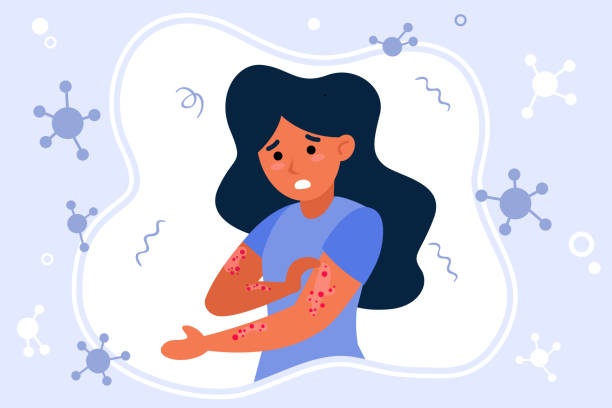
Managing Chronic Inflammation in Psoriasis
The exact cause of psoriasis is not known, but doctors consider it an inflammatory disease mediated by the immune system. This means that inflammation is at the core of this condition.
Approximately 3% of adults in the United States suffer from psoriasis. This condition causes skin symptoms such as raised patches and discoloration, and it can also affect other parts of the body, such as the joints and eyes.
Experts believe that inflammation is the common factor that can influence these different areas.
In people with psoriasis, immune system dysfunction leads to the accumulation of inflammatory cells in the middle layer of the skin, known as the dermis. Additionally, this condition accelerates the growth of skin cells in the epidermis, the outer layer of the skin.
Normally, skin cells grow and shed over a period of about a month. In people with psoriasis, this process is accelerated and takes only a few days. Instead of shedding, skin cells accumulate on the surface, causing unpleasant symptoms such as raised patches, scales, swelling, and redness or discoloration.
Although psoriasis is a skin condition, the inflammation associated with psoriasis affects the entire body. It can increase the risk of cardiovascular diseases, cancer, inflammatory bowel diseases, and psoriatic arthritis.
While the inflammation in psoriasis is caused by immune system dysregulation, studies suggest that people can reduce this inflammation through lifestyle and dietary changes. These changes can help alleviate symptoms and improve quality of life.
By using these methods, many people with psoriasis can maintain remission, meaning a prolonged period without psoriasis symptoms.
Additionally, certain medications used to treat psoriasis work by reducing inflammation. These include topical corticosteroids, injectable biologics, and oral medications.
Each person with psoriasis is different. Some individuals will require more extensive treatments than others.
Although there is currently no cure for psoriasis, the following habits can help reduce the inflammation associated with psoriasis and increase the chances of experiencing remission periods.
Adopting a Nutritious Diet
Diet is closely linked to systemic inflammation. Studies suggest that certain inflammatory eating patterns can increase the risk of psoriasis and exacerbate symptoms.
A nutritious diet may look different for each person. However, the following tips can help establish a healthy eating pattern:
- Avoiding inflammatory foods: Certain foods and beverages contain pro-inflammatory substances that increase inflammation and trigger psoriasis symptoms. Examples include sugary drinks and ultra-processed foods, such as salty snacks, sweets, and processed meat products.
- Considering an anti-inflammatory diet: Diets rich in fruits, vegetables, and other nutritious foods consistently reduce psoriasis symptoms. For example, a 2018 study involving 35,735 individuals, including 3,557 with psoriasis, suggested that those who followed a Mediterranean diet had less severe forms of psoriasis compared to those who did not follow this diet.
Maintaining a Moderate Weight
Obesity is a risk factor for developing psoriasis. Individuals with psoriasis who are overweight or obese may experience more severe symptoms than those with a moderate weight.
Weight loss can reduce inflammatory markers and help alleviate psoriasis symptoms in individuals with excess weight.
A 2020 study found that individuals with psoriasis and overweight or obesity who reduced their body weight by 12% through a 10-week program experienced a reduction in psoriasis severity by 50-75%. Participants lost an average of 23 pounds (approximately 10.4 kilograms).
Adopting Other Healthy Habits
Several habits can help reduce inflammation and improve psoriasis symptoms, such as:
- Avoiding or quitting smoking: Smoking severely affects health and exacerbates inflammatory diseases, including psoriasis.
- Reducing alcohol consumption: Excessive alcohol consumption can contribute to inflammation and worsen psoriasis symptoms.
- Maintaining an active lifestyle: Avoiding long periods of inactivity can help reduce symptoms. A review of research suggested that individuals with psoriasis who lead a sedentary lifestyle have more severe symptoms compared to those who exercise regularly.
- Ensuring adequate sleep: Lack of sleep can induce a pro-inflammatory state in the body. Studies suggest that insufficient or inconsistent sleep increases inflammatory markers in the blood. Experts recommend that adults sleep between 7-9 hours per night for optimal health.
- Managing stress levels: Prolonged stress causes the immune system to become hyperactive and contributes to a pro-inflammatory state. Up to 88% of individuals with psoriasis report stress as a trigger for their symptoms. Using stress-reduction techniques, such as meditation and yoga, can help.




