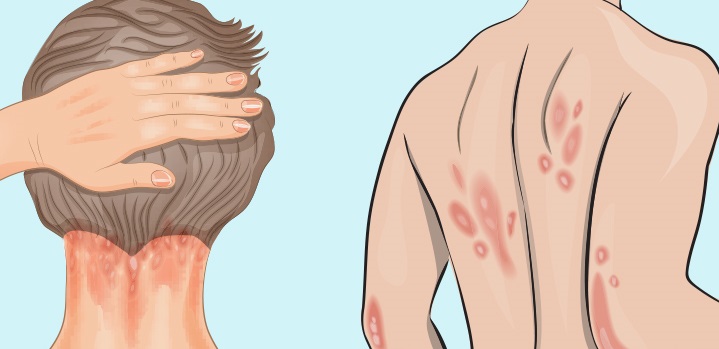
Psoriasis is a chronic autoimmune skin condition that causes rapid skin cell regeneration, leading to the appearance of red, scaly patches. Although it is not contagious, it can significantly impact the quality of life.
What Causes Psoriasis?
Psoriasis is caused by an overactive immune system that mistakenly attacks skin cells, resulting in accelerated regeneration. Triggering factors include:
- Genetics Individuals with a family history are at a higher risk.
- Stress Can exacerbate symptoms.
- Infections Streptococcus can trigger guttate psoriasis.
- Medications Some beta-blockers or anti-inflammatory drugs can provoke episodes.
- Cold climate Dry air worsens symptoms.
How Does Psoriasis Affect Us?
This condition can have a major physical and emotional impact:
- Physical symptoms include dry skin, itching, and painful cracks.
- Emotional impact Lowers self-esteem and increases the risk of anxiety and depression.
- Complications Can be associated with psoriatic arthritis, affecting the joints.
Main Symptoms
Psoriasis can take several forms, the most common being:
- Plaque psoriasis Red areas covered with white scales.
- Guttate psoriasis Small red spots on the trunk and limbs.
- Pustular psoriasis Pus-filled blisters on palms and soles.
- Inverse psoriasis Appears in skin folds (under breasts, armpits, groin).
- Erythrodermic psoriasis Severe form that affects the entire skin surface.
Remedies and Treatments
There is no definitive cure, but symptoms can be alleviated through:
1 Medical Treatments
- Topical corticosteroids Reduce inflammation and itching.
- Vitamin D derivatives Regulate skin cell growth.
- Phototherapy Controlled exposure to UVB can reduce lesions.
- Systemic medications For severe cases (methotrexate, biologics).
2 Natural Remedies
- Coconut oil Moisturizes and soothes the skin.
- Aloe vera Has anti-inflammatory effects.
- Oatmeal baths Reduce itching sensation.
- Detoxifying teas Help purify the body.
3 Tips for a Balanced Lifestyle
- Avoid stress Meditation and yoga can help.
- Stay hydrated Drink enough water.
- Choose soft clothing Avoid irritating materials.
- Maintain an anti-inflammatory diet Limit processed sugars and dairy.
Psoriasis is a challenging condition, but it is manageable. With appropriate treatment and a balanced lifestyle, symptoms can be significantly reduced. Don’t forget to consult a dermatologist for the best solutions tailored to your needs!




