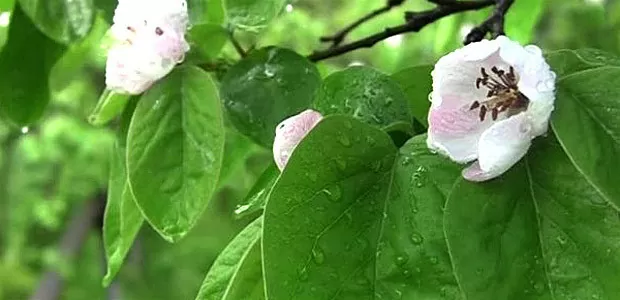
Quince leaves are often overlooked, but they contain a valuable combination of compounds that act on both the digestive and nervous systems. Used since ancient times for stomach pain, diarrhea, insomnia, and anxiety, quince leaf tea is a gentle and effective remedy, supported by modern research.
Detailed Benefits
1. Soothes Irritated Stomach and Reduces Digestive Inflammation
Quince leaves contain tannins, substances with astringent action that protect the gastric mucosa and help restore it in cases of gastritis or colitis. Studies show that these tannins reduce local inflammation and have an anti-ulcer effect.
2. Regulates Intestinal Transit
Due to the combination of fibers, organic acids, and mucilages, the tea can calm episodes of diarrhea as well as bloating, without disrupting the intestinal flora. It is also suitable for children (over 3 years old), with medical advice.
3. Mild Sedative Effect, Without Daytime Drowsiness
Quince leaf tea is used in folk medicine to relax the nervous system. Recent research indicates that the flavonoids in the leaves act on GABA receptors, similar to some anxiolytic plants (e.g., valerian), but without side effects.
4. Supports Mild Insomnia and Anxiety
Consuming it in the evening, before bedtime, can induce a mild state of relaxation without affecting the natural sleep rhythm.
What Do Quince Leaves Contain?
- Tannins – astringent and anti-inflammatory
- Flavonoids – antioxidant, calming
- Mucilages – protect mucous membranes
- Vitamin C and K – in small quantities, support the immune and vascular systems
Recipe for Tea
Ingredients:
- 1 tablespoon dried quince leaves (or 2 fresh leaves finely chopped)
- 250 ml water
Preparation Method:
- Add the leaves to boiling water.
- Cover the pot and let it steep for 10-12 minutes.
- Strain and consume warm.
Dosage:
- For stomach: 1 cup in the morning, on an empty stomach.
- For calming: 1 cup in the evening, 30 minutes before bedtime.
- Cures of 7-14 days, with a one-week break between cures.
Contraindications:
- Not recommended in cases of chronic constipation (due to astringent effect).
- Pregnant or breastfeeding women should consult a doctor before use.
- Should not be combined with laxatives or other products that alter intestinal motility.
Sources:
- Phytochemical and pharmacological properties of Cydonia oblonga leaves, Iranian Journal of Basic Medical Sciences, 2018
Study confirming the anti-inflammatory and antioxidant effects of quince leaves. - Evaluation of the gastroprotective effects of quince leaf extract, Pharmacognosy Research, 2015
Highlighted the reduction of gastric ulcers and protection of the intestinal mucosa. - Relaxant and anxiolytic properties of Cydonia oblonga leaves, BMC Complementary and Alternative Medicine, 2020
Showed the effect of reducing anxiety and improving sleep.




