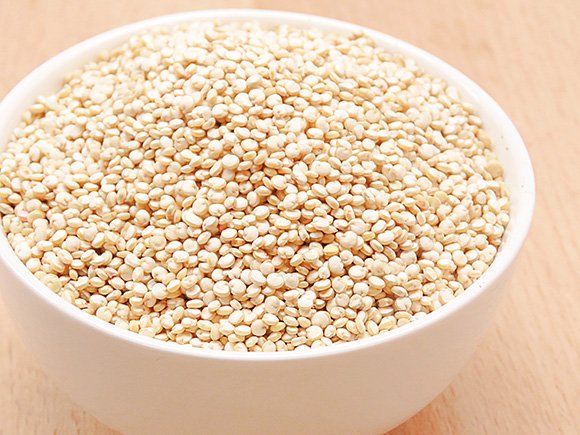
Quinoa has been cultivated for thousands of years, primarily for its seeds. It is a rich source of nutrients with a low fat content.
Quinoa is an ancient plant that has been grown in the Andes mountains for the last 7000 years. The plant has been cultivated at high altitudes, ranging from 2000 to 4000 meters.
Not only does it contain an enormous amount of vitamins and minerals, but it also has organic compounds and other nutrients that can have a huge impact on our health. It is consumed worldwide, with an increasing number of people.
It contains an impressive amount of manganese, magnesium, and phosphorus, as well as significant quantities of iron, zinc, copper, potassium, and vitamins A, C, D, E, and K. Quinoa even has a small amount of calcium, sodium, and selenium. It is rich in phytonutrients and flavonoids such as kaempferol and quercetin, as well as tryptophan, which have very special health benefits. Additionally, there is an immense amount of protein components and vital amino acids that the body needs. These nutrients energize the body and strengthen the immune system.
Vitamins help the body function properly and are essential parts of any diet. Quinoa contains significant amounts of thiamine, riboflavin, folate, and vitamin B6. It regulates internal functions and the body’s metabolism.
100g of quinoa contains only 120 calories and just two grams of fat. People looking to lose extra pounds can rely on it. The carbohydrates in quinoa, being unprocessed, fall into the category of good carbohydrates that should not be missing from any weight loss diet.
Quinoa has antioxidant properties that help protect the heart, liver, kidneys, lungs, pancreas and fight against oxidative stress. Some of the antioxidants found in quinoa are total phenols, polyphenols, and anthocyanins.
More studies have shown that regular consumption of quinoa supports kidney health. This food is recommended in the diet of people suffering from kidney diseases.
Quinoa is highly valued for its high-quality protein content with a low glycemic index, along with omega-3 and omega-6 fatty acids. Tests conducted on young and middle-aged individuals have confirmed a lower risk of cardiovascular diseases.
Quinoa contains flavonoids, antioxidants that have anti-inflammatory, anti-viral, anti-cancer, and anti-depressant properties. It also helps eliminate toxins from the body.
These seeds can be beneficial in regulating blood glucose levels and cholesterol levels.
The calcium content is similar to that of dairy products, but it has been emphasized that those who are intolerant to dairy can consume these seeds. Calcium is very important for bones, the brain, and the nervous system.
Quinoa seeds contain insoluble fiber that helps improve the digestive process and facilitates intestinal movements. This further helps to reduce the risk of flatulence, bloating, pain, constipation, and gas.
The fiber found in quinoa also helps to reduce the risk of gallstones. Its consumption helps to reduce bile secretion, which leads to stone formation.
Dietary magnesium intake offers benefits, including asthma control, improved bone health, reduced risk of osteoporosis, improved heart health, and regulation of blood sugar levels.




