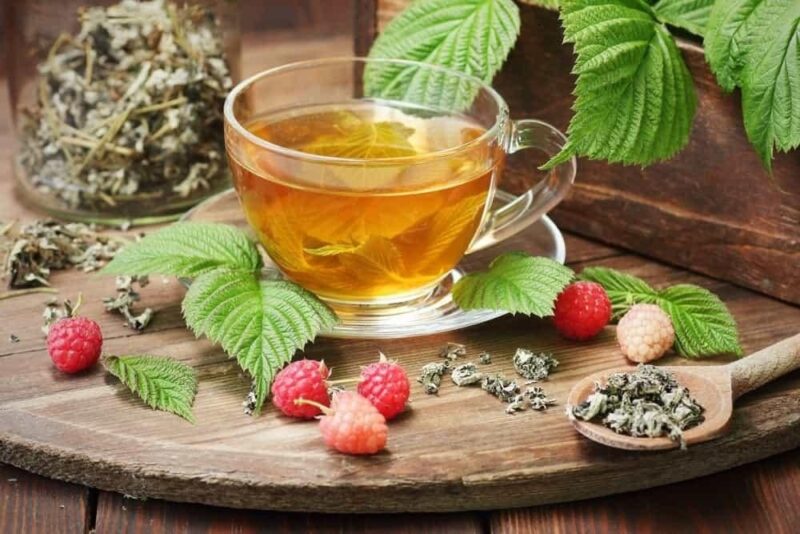
Raspberry leaf (Rubus idaeus) has been considered for centuries the plant of women, being used to support female health at all stages of life: from adolescence to menopause. An ancient remedy, raspberry leaf tea is now rediscovered in phytotherapy, due to its rich composition and effects demonstrated by recent studies.
What Do Raspberry Leaves Contain?
- Fragrine – an alkaloid that helps tone the uterine muscles
- Tannins – with astringent, anti-inflammatory effects, useful in diarrhea and urogenital infections
- Flavonoids (quercetin, kaempferol) – natural antioxidants with anti-inflammatory effects
- Vitamin C and E, calcium, magnesium, iron – essential for hormonal and mineral balance
Recent Studies and Research
Journal of Midwifery & Women’s Health (2014): women who consumed raspberry leaf tea in the last weeks of pregnancy had shorter labor and reduced need for medical interventions.
Complementary Therapies in Clinical Practice (2017): the tea is safe and effective for regulating the menstrual cycle and reducing menstrual cramps.
Phytotherapy Research (2019): raspberry leaf extract has anti-inflammatory action on the uterus and helps balance hormones in premenstrual syndrome.
How Does Raspberry Leaf Tea Affect the Female Body?
Tones uterine muscles (without stimulating dangerous contractions)
Regulates the menstrual cycle and reduces menstrual pain
May reduce heavy bleeding
Helps in premenstrual syndrome and perimenopause
Supports childbirth preparation (in months 8-9, only with doctor’s approval)
Classic Raspberry Leaf Tea Recipe
Ingredients:
1 tablespoon of dried raspberry leaves
250 ml boiling water
Preparation method:
- Pour hot water over the leaves.
- Let it steep for 10-15 minutes.
- Strain and drink warm.
1-3 cups can be consumed per day, depending on the specific needs of each woman.
Recommended Consumption Methods
For painful menstruation: 2 cups/day for 5 days before the cycle
For cycle regulation: 1 cup/day for 2-3 months
In pregnancy (months 8-9): only on doctor’s recommendation, max. 1 cup/day
In menopause: as an adjunct in reducing hot flashes and irritability
Contraindications and Precautions
Do not consume in the first months of pregnancy without medical advice as it may influence uterine tone
Avoid in cases of severe endometriosis or intense hormonal treatments
May interact with anticoagulant medications – consult your doctor
Not recommended in excess for long periods without breaks
Raspberry leaf tea is a rediscovered feminine remedy that provides natural support at various stages of life. From painful menstruation to childbirth preparation or easing menopause, this tea brings balance and comfort gently yet effectively.




