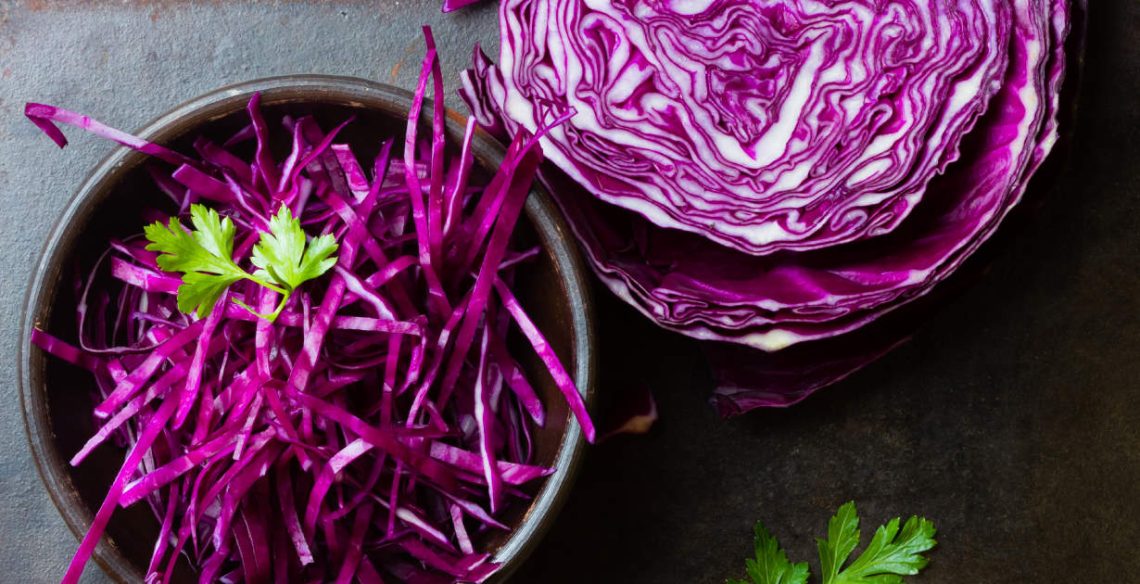
Red cabbage is a cruciferous vegetable, delicious both raw and cooked. It is often consumed raw in salads, steamed, or sautéed with other vegetables.
What Red Cabbage Contains
One cup (89 grams) of chopped raw red cabbage has approximately:
28 calories
7 grams of carbohydrates
1 gram of protein
2 grams of fiber
50.7 milligrams of vitamin C (85% DV)
34 micrograms of vitamin K (42% DV)
993 IU of vitamin A (20% DV)
0.2 milligrams of manganese (11% DV)
0.2 milligrams of vitamin B6 (9% DV)
216 milligrams of potassium (6% DV)
0.1 milligrams of thiamine (4% DV)
0.1 milligrams of riboflavin (4% DV)
16 micrograms of folate (4% DV)
40 milligrams of calcium (4% DV)
0.7 milligrams of iron (4% DV)
14.2 milligrams of magnesium (4% DV)
The color of red cabbage is due to the anthocyanin pigments it contains. Depending on the acidity of the soil in which it is grown, this pigment can appear red, purple, or even blue.
Health Benefits of Red Cabbage
1. Supports the Immune System
Red cabbage contains vitamin C, an essential antioxidant necessary for our body to have a strong immune system. It stimulates the activity of white blood cells, forming the first line of defense for the immune system. Antioxidants derived from nutrients like vitamin C are known to have a high antioxidant potential to help minimize the harmful effects of reactive species. Being one of the richest foods in vitamin C, red cabbage is a major immune system booster.
The immune system is extremely vulnerable to the balance of oxidants and antioxidants, as uncontrolled production of free radicals can affect its function and defense mechanism. These free radicals can form in the body and promote tissue damage. However, antioxidants are the perfect defense mechanisms for the immune system and can help combat intruders, including cancer. Additionally, vitamin C is important in collagen formation, which keeps our bodies and cells connected and strong.
2. Combats Inflammation and Arthritis
Red cabbage contains phytonutrients that can help reduce chronic inflammation. A compound in red cabbage that may be responsible is sulforaphane (found in many cruciferous vegetables), a powerful anti-inflammatory agent.
According to the Arthritis Foundation, a diet rich in fruits and vegetables high in anthocyanins, such as red cabbage, should be part of the daily regimen of an arthritis patient. These types of anti-inflammatory foods can help naturally treat arthritis inflammation and its complications.
3. Supports Bone Health and Reduces the Risk of Osteoporosis
Red cabbage is rich in vitamin K, and since vitamin K increases the specific protein needed to maintain bone calcium, it reduces the risk of osteoporosis. Women, in particular, seem to have a higher bone density when consuming a diet rich in vitamin K.
Some studies show that vitamin K supplementation can effectively prevent new bone fractures and help maintain bone density, which is why red cabbage is a good addition to the diet for osteoporosis.
In the first twenty-something years of life, bone tissue continues to form. From that point until around the age of 40, your body maintains the bone mass you had at 20. Women experiencing menopause will then experience a rapid decrease in their bone density, while men reach a decline around the age of 70. As your bones become weaker, the likelihood of suffering fractures increases. These fractures debilitate individuals in old age and are among the leading causes of loss of mobility, which can drastically reduce the ability to live a healthy life. Therefore, foods rich in vitamin K, such as red cabbage, are crucial for helping maintain bone health and delaying or preventing osteoporosis.
4. Fights Chronic Diseases
Throughout life, cellular degeneration will occur regardless of how healthy you live. However, by filling your diet with antioxidant-rich foods, you can give your body the best chance to prevent and combat serious chronic diseases. Red cabbage is one of those antioxidant-rich foods, with an ORAC value of 2,496 when raw and 3,145 when cooked. Brassica vegetables like red cabbage, kale, and broccoli are believed to help the body prevent chronic diseases such as cancer, heart disease, and diabetes.
5. Promotes a Healthy Gut
We know that probiotic foods provide a good dose of beneficial bacteria, which are essential for our digestive system, but what does this have to do with red cabbage? I’m sure you’ve heard of kimchi. Most kimchi is made from green cabbage, but kimchi made from red cabbage is becoming increasingly popular. Kimchi is a traditional Korean fermented food and is actually one of the most popular plant-based probiotic foods in the world.
Probiotic-rich foods like kimchi support gut health by promoting the growth of healthy bacteria, protecting against leaky gut syndrome, and boosting immunity. According to scientists at Pusan National University in Korea, kimchi may protect against obesity, blood clots, age-related degeneration, neurodegeneration, and even skin problems.
Red Cabbage: The Superfood That Fights Diseases and Heals the Gut
38




