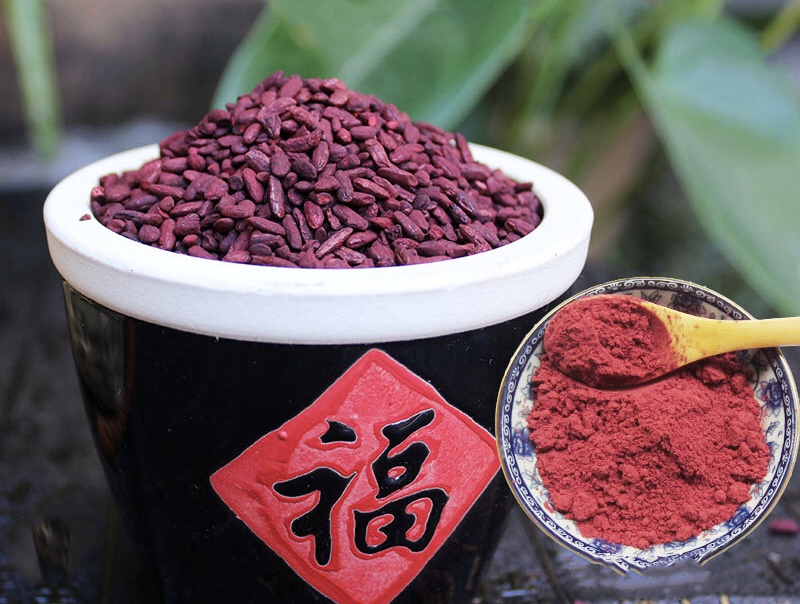
Many people with high cholesterol turn to red yeast rice to avoid health risks. Scientific studies have shown that supplementation with red yeast rice can lower LDL cholesterol levels. According to traditional Chinese medicine, the benefits of red yeast rice include improved circulation and digestion.
What is red yeast rice?
Red yeast rice is actually a type of fermented rice, obtained by using certain species of mold. Thus, red yeast rice contains a chemical compound called monacolin K, an active ingredient found in certain prescription medications for lowering cholesterol levels.
5 Health Benefits of Red Yeast Rice
1. Support for High Cholesterol
Red yeast rice is most commonly taken to naturally reduce hyperlipidemia or high cholesterol. It has been shown that red yeast rice (Monascus purpureus) inhibits the action of an enzyme in the human body that helps in the formation of cholesterol. Numerous studies have demonstrated the positive effects of red yeast rice on cholesterol levels.
2. May Contribute to Heart Health
Cardiovascular diseases are responsible for a large percentage of deaths worldwide. High cholesterol, one of the main risk factors for heart disease, can cause narrowing of the arteries and loss of their flexibility, leading to an increased risk of heart attack and stroke.
3. Support for Obesity
A study published in the Journal of Medicinal Food examined how effective red yeast rice is in treating obesity and high cholesterol, which are two common health issues that often occur together.
Red yeast rice prevents fat accumulation and improves the atherogenic index. The plasma atherogenic index provides information about cholesterol ratios in the body and is used as a marker to predict the risk of atherosclerosis and coronary artery disease.
4. Reduction of Biomarkers of Oxidative Stress
Results from a double-blind, placebo-controlled, randomized study involving 50 patients with metabolic syndrome showed the effects of a supplement containing both red yeast rice and olive extract. Metabolic syndrome is a health disorder that involves a combination of three or more of the following health issues: abdominal obesity, high blood pressure, elevated blood sugar, high triglyceride levels, or low HDL (good) cholesterol.
This study found that supplementation with red yeast rice and olive extract significantly reduced lipoprotein-associated phospholipase A2 (Lp-PLA2) as well as oxidized low-density lipoprotein (OxLDL). This is significant because Lp-PLA2 and OxLDL are biomarkers of oxidative damage or stress, which play a major role in disease formation. In this case, the reduction of these two markers was associated with a lower risk of heart disease in individuals with metabolic syndrome.
5. Improvement of Insulin Sensitivity
A study published in the World Journal of Cardiology demonstrated that red yeast rice extract can help maintain healthy normal blood sugar levels. This study specifically analyzed the effects of a supplement containing berberine, red yeast rice, and policosanol compared to a placebo on insulin resistance in individuals with metabolic syndrome.
After 18 weeks, the group taking the supplement containing red yeast rice showed a significant decrease in insulin resistance, as well as in LDL cholesterol and total cholesterol levels.
Possible Side Effects and Precautions
Anyone under the age of 20 should not use red yeast rice. It should also be avoided if you have an allergy or sensitivity to rice, red yeast, or members of the Monascaceae family (yeast).
Research has shown that the side effects of red yeast rice are usually mild. Side effects may include headaches, upset stomach, heartburn, gas, or dizziness. Muscle pain and weakness are also possible, especially if the supplement contains high levels of monacolin. If you experience muscle pain and weakness, discontinue use of red yeast rice and consult a doctor.
Red yeast rice should not be taken while breastfeeding, if you are pregnant, or trying to become pregnant. It is also recommended to avoid red yeast rice if you have kidney disease, liver disease, thyroid problems, musculoskeletal disorders, or if you are at a higher risk of cancer.
You should avoid red yeast rice if you have any kind of infection, have had an organ transplant, or if you consume more than two alcoholic beverages per day.
It is advisable to avoid taking red yeast rice if you are already taking any of the following medications:
Statins or other cholesterol medications
Antidepressants
Antifungal medications
Medications that suppress the immune system, such as cyclosporine
Antibiotics erythromycin and clarithromycin




