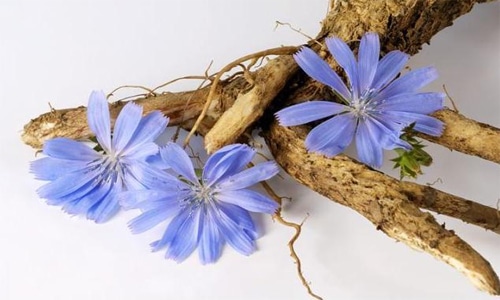
Chicory (Cichorium intybus), a plant known since ancient times and often used as a coffee substitute, is regaining attention in modern research. Recent studies have rediscovered its remarkable therapeutic effects, especially in supporting pancreatic function and combating hepatic steatosis (fatty liver).
The Chemical Composition Key to Therapeutic Action
Chicory root contains inulin (up to 40%), a soluble fiber with prebiotic properties, as well as lactucin, esculin, chicoric acid, flavonoids, tannins, and volatile oils. These compounds give the plant hepatoprotective, anti-inflammatory, and antioxidant effects.
How Chicory Acts on Fatty Liver
Hepatic steatosis, caused by excessive fat accumulation in liver cells, affects more and more people. Chicory has proven effective in:
-
Reducing Hepatic Fats: A study published in Food and Chemical Toxicology (2010) demonstrated that chicory root extract reduces hepatic lipids and improves liver enzymes in subjects with diet-induced fatty liver.
-
Antioxidant Protection: Flavonoids and chicoric acid act as antioxidants, protecting liver cells from oxidative stress, a major cause of disease progression.
-
Stimulating Bile Secretion: Chicory increases bile production, supporting fat digestion and reducing liver strain.
Chicory has a clear hepatoprotective effect, confirmed in several experimental and clinical studies. It is a plant with a promising future in the adjunct therapy of non-alcoholic fatty liver disease, says Dr. E. Craciun, a specialist in metabolic diseases.
Supporting the Pancreas and Glycemic Function
Chicory is a valuable support for the pancreas, especially due to its inulin content:
-
Regulating Blood Sugar: Inulin slows glucose absorption and improves insulin sensitivity. In a study published in International Journal of Molecular Sciences (2015), a significant decrease in blood sugar was observed in patients who consumed chicory extract.
-
Stimulating Insulin Production: By supporting pancreatic function, chicory helps balance carbohydrate metabolism, being useful in the prevention and control of type 2 diabetes.
-
Prebiotic Effect: By nourishing beneficial gut flora, inulin indirectly contributes to the regulation of energy metabolism.
Administration Method
-
Infusion: 1 tablespoon of dried chicory root crushed in 250 ml of boiling water. Let it steep for 10 minutes and consume twice a day, 30 minutes before meals.
-
Chicory Root Powder: Take 1/2 teaspoon twice a day, mixed with water or yogurt.
-
Liquid Extract or Capsules: Available in health stores, according to the manufacturer’s instructions.
It is recommended to take courses of 3-4 weeks, followed by breaks of 1-2 weeks.
Contraindications and Precautions
-
Not recommended during pregnancy and breastfeeding.
-
May interact with anticoagulant or antidiabetic medications; consult a doctor before use.
-
Individuals with allergies to plants in the Asteraceae family (daisies, chrysanthemums) may experience adverse reactions.
-
In large doses, it may cause diarrhea or abdominal discomfort.
Chicory is not just a modest plant by the roadside. Modern research confirms its powerful therapeutic properties, especially in protecting the liver and supporting pancreatic function. With a composition rich in inulin and antioxidants, chicory can become a reliable ally in preventing metabolic diseases and detoxifying the body.
Sources:
-
Food and Chemical Toxicology, 2010 Chicory extract improves hepatic steatosis in diet-induced obese mice
-
International Journal of Molecular Sciences, 2015 Chicory root inulin improves insulin resistance and lowers blood sugar




