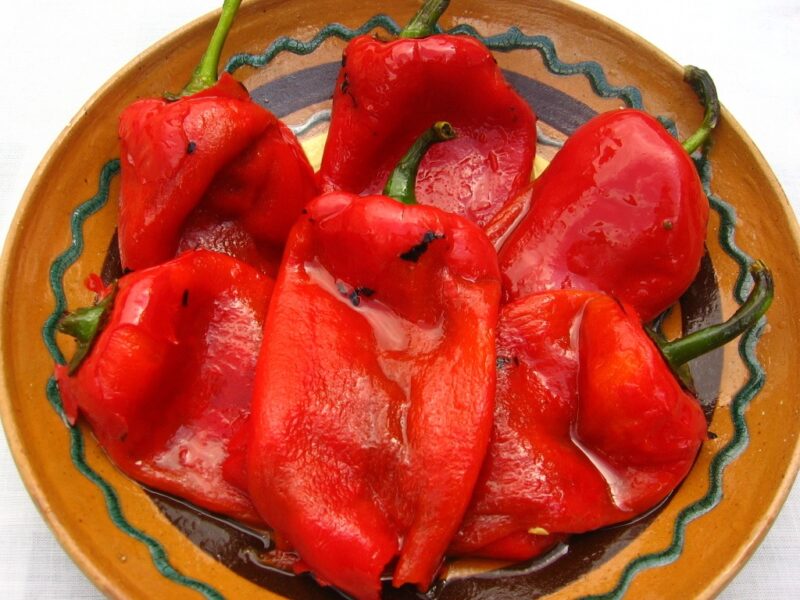
When the warm season arrives, the aroma of roasted peppers fills kitchens all over Romania. This simple yet nutrient-rich delight hides important health benefits. Whether consumed plain, in salads, or as a side dish, roasted peppers are not only delicious but also a true elixir for the body. And what’s even better: through roasting, many of the nutrients become easier to assimilate. Let’s see why we should include them more often in our diet.
Benefits of Roasted Peppers
1. Supports Digestion and Regulates Intestinal Transit
Roasted peppers contain soluble and insoluble fibers, which contribute to the health of the digestive tract. The fibers help cleanse the intestines, preventing constipation and balancing intestinal flora. Additionally, roasting makes them easier to digest than when raw, reducing the risk of bloating or abdominal discomfort. The enzymes in roasted peppers stimulate the secretion of bile and digestive enzymes, aiding in the digestion of fats. They are also recommended for individuals with irritable bowel syndrome, as they do not irritate the intestinal lining.
2. Have Antioxidant Effects and Combat Oxidative Stress
With their rich content of vitamin C, beta-carotene, lutein, and capsaicin, roasted peppers help neutralize free radicals. These compounds protect cells from premature aging and chronic inflammation. Beta-carotene is converted by the body into vitamin A, essential for skin, eyes, and the immune system. The roasting process enhances the absorption of these antioxidants, making them more bioavailable. Studies show that a diet rich in antioxidants reduces the risk of degenerative diseases.
3. Improve Heart Health
Roasted peppers are high in potassium, which helps regulate blood pressure. Capsaicin, present even in sweet peppers in small amounts, has a vasodilating effect, improving blood circulation. Flavonoids and vitamin C reduce arterial inflammation and prevent the oxidation of LDL cholesterol. These combined effects lead to a reduced risk of heart attack and stroke. Regular consumption of roasted peppers can be part of a heart-healthy diet.
4. Protect Vision
Red roasted peppers are an excellent source of lutein and zeaxanthin, two pigments that protect the retina. These antioxidants filter blue light and reduce the risk of macular degeneration. Vitamin A, derived from beta-carotene, is essential for eye health, especially in preventing dry eyes. Roasting increases the absorption of these compounds, making them more effective. A diet rich in roasted peppers supports vision at any age.
5. Support Brain Health
Vitamin B6, found in roasted peppers, plays a key role in the synthesis of neurotransmitters such as serotonin and dopamine. These compounds regulate mood, sleep, and cognitive functions. Additionally, the antioxidants in peppers protect nerve cells from oxidative stress. Studies suggest that regular consumption of colorful peppers reduces the risk of cognitive decline associated with aging. Roasted peppers can be an excellent choice in preventing Alzheimer’s disease.
6. Detoxify the Body
Roasted peppers contain over 90% water, contributing to hydration and the elimination of toxins through urine and sweat. The fibers help remove metabolic waste from the intestines. Capsaicin supports liver activity and aids in fat processing. The high vitamin C content stimulates kidney and liver function. They are an ideal choice for gentle and natural detox diets.
7. Maintain Skin Health
Vitamin C is essential for collagen production, and roasted peppers contain it abundantly. Antioxidants reduce skin inflammation and can prevent premature aging. Beta-carotene protects the skin against the harmful effects of UV radiation. Regular consumption of red roasted peppers contributes to a radiant, elastic, and healthy complexion. They are also recommended for individuals with acne or other skin conditions.
Study
A study published in Journal of Food Science (2022) analyzed the impact of roasting on the nutritional composition of sweet red peppers. Researchers observed that despite a slight decrease in vitamin C due to heat, roasting increased the bioavailability of beta-carotene by over 35%. Additionally, the level of polyphenolic antioxidants increased by up to 20% after roasting, due to cellular structural changes that allow for more efficient release of these compounds. The authors emphasize that roasted peppers represent a more beneficial antioxidant option than raw ones, especially for cardiovascular and skin health. The study also showed that dietary fibers do not significantly degrade through roasting, maintaining their beneficial effects on intestinal transit. In conclusion, the research recommends the frequent inclusion of roasted peppers in the diet, especially in combination with healthy fats (olive oil) for optimal absorption.
Preparation Method
- Wash the peppers well and place them whole on a tray.
- Roast in the oven (200°C) for 30-40 minutes, until the skin becomes black and peels off easily.
- Place them hot in a covered dish (to steam and peel easily).
- After 10 minutes, peel off the skin, stem, and seeds.
- They can be consumed as is or seasoned with olive oil, garlic, and apple cider vinegar.
Contraindications
- Individuals with gastroesophageal reflux may experience burning if consuming large amounts of roasted peppers.
- The potential irritative effect increases if the peppers are too spicy or consumed with skin.
- In cases of irritable bowel syndrome, testing individual tolerance is recommended.
- Peppers may cause allergic reactions in individuals sensitive to nightshades (from the same family as tomatoes and eggplants).
- In cases of advanced liver disease, moderate consumption is recommended.
Sources:
- Journal of Food Science: Thermal Processing Enhances the Antioxidant Activity and Bioavailability of Carotenoids in Sweet Red Peppers




