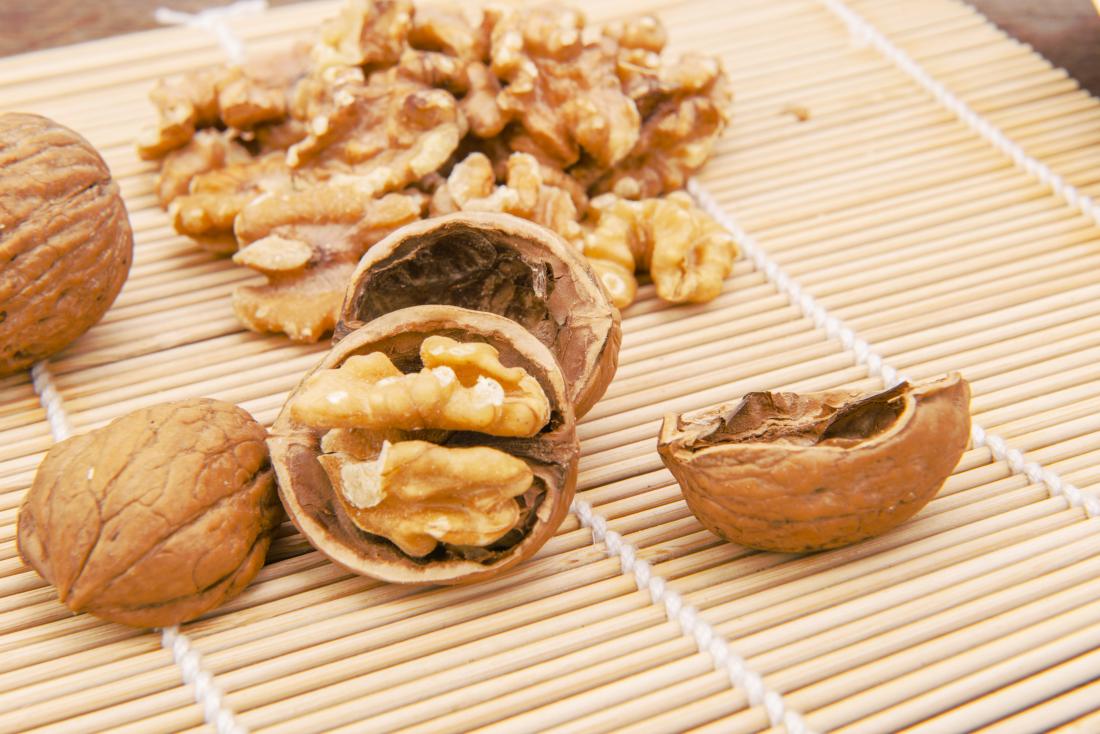
Walnuts contain minerals such as iron, phosphorus, potassium, magnesium, iodine, vitamins A, B, C, E, and P, over 20 amino acids, unsaturated fats, and proteins. Therefore, they remain a staple food in a healthy diet. Researchers have discovered that the antioxidants found in walnuts are of the highest quality. They measured the antioxidants in walnuts to be between 2 and 15 times more potent than vitamin E. Walnuts are also an excellent source of essential omega-3 fatty acids, with just two walnuts covering over 90% of the recommended daily intake. They are also a good source of beneficial monounsaturated fats. Recent studies show the benefits of walnuts on the heart and cardiovascular system. Due to their unsaturated fat content, which is about 60%, as well as potassium and magnesium, walnuts are recommended for individuals suffering from various heart diseases or hypertension. Studies have shown that they reduce LDL cholesterol levels in the blood and strengthen the walls of blood vessels. Thus, individuals who consume about 30 grams of walnuts two or three times a week have a much lower risk of developing cardiovascular diseases. Therefore, walnuts contribute to flexible arteries, a healthy heart, and prevent the occurrence of strokes.
Walnuts have also been associated with improved cognitive functions, as well as beneficial anti-inflammatory effects for conditions such as asthma, rheumatoid arthritis, eczema, or psoriasis. In addition to all this, it seems that walnuts contain an antioxidant that supports the immune system and has anticancer properties.
Research shows that the active substances in walnuts have a beneficial effect on the blood vessels that irrigate the brain. Thus, they help improve memory and concentration. To enhance concentration, it is recommended to consume eight to ten walnuts daily mixed with 2-3 tablespoons of honey.
For diabetics, walnuts represent a precious food, as they have a low carbohydrate percentage. They can be consumed by people with diabetes, as they are not recommended to eat meat, and walnuts are a perfect substitute for it. Additionally, walnuts have a blood sugar-lowering effect.
A diet rich in walnuts prevents the occurrence of cancer, due to the content of omega-3 fatty acids, certain antioxidants, polyphenols, and phytosterols.
Due to their fat content, walnuts are especially recommended during the winter when external factors negatively affect the skin. Moreover, they improve skin elasticity, and their consumption is indicated for individuals suffering from various eczemas.
Rich in zinc, magnesium, iron, sulfur, calcium, and vitamins A, B, and E, walnuts have a high energy value. It is recommended to consume the kernel of three walnuts daily. Externally, poultices made from walnut leaves, applied locally, reduce rheumatic pain.
Due to their rich iodine content, walnuts are recommended in cases of thyroid gland disorders.
Many people claim that walnuts are fattening. In reality, they are rich in fats and proteins but do not alter metabolism. Therefore, in moderate amounts, walnuts can be included in weight loss diets as they provide a feeling of satiety and curb the tendency to overeat.
The husk of green walnuts is indicated for combating stomach ailments, such as acute intestinal infections. Preparation: In 300 ml of water, add about five tablespoons of crushed green walnut husks and let it macerate for ten hours. Strain, and then boil the remaining mixture with another 300 ml of water for five minutes.
It is said that Romanian walnuts contain higher amounts of nutrients due to the rich soil. Use and buy walnuts, as well as fruits, vegetables, and other products, from local producers. Romanian products are generally cleaner (in terms of chemicals) and healthier than imported ones. Additionally, by purchasing Romanian products, we also support the local economy and reward the work of those who produce them.




