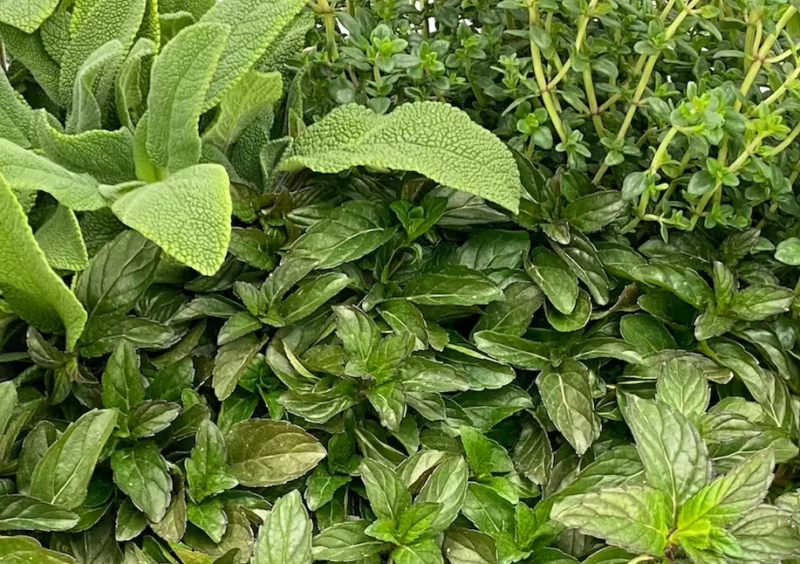
Hormonal imbalances are a common challenge for many women, especially during menopause, when symptoms such as hot flashes, night sweats, and anxiety can significantly affect quality of life. Nature offers valuable remedies, and the tincture made from sage and mint serves as an effective support in alleviating these symptoms. This preparation combines the anti-inflammatory, hormonal, and calming properties of both plants, making it a well-regarded natural remedy recommended by specialists.
Composition and Preparation of the Tincture
Sage (Salvia officinalis)
Sage is a plant recognized for its rich content of phytoestrogens, compounds that mimic the effects of estrogen in the body. These phytoestrogens help regulate hormonal imbalances and reduce the frequency and intensity of hot flashes. Additionally, sage has antimicrobial, antioxidant, and anti-inflammatory properties.
Mint (Mentha piperita)
Mint adds a calming and antispasmodic effect to the tincture, being useful for reducing anxiety and digestive discomfort, often associated with stress and hormonal imbalances. Furthermore, menthol from mint leaves helps alleviate feelings of agitation and excessive sweating.
Preparation Method
Use 50 g of dried sage leaves and 30 g of mint leaves, placing them in a jar. Pour 500 ml of food-grade alcohol (40-50%) over them. Seal the jar tightly and let it macerate for 2 weeks, shaking it daily. After this period, strain the tincture and store it in dark glass bottles in a cool place, away from light.
Usage and Dosage
It is recommended to take 20-30 drops of the tincture, diluted in a little water, 2-3 times a day, before or after main meals. The minimum treatment duration is 3 weeks, with the possibility of extension based on the specialist’s recommendation.
Benefits of Sage and Mint Tincture
- Reduction of hot flashes and night sweats
The phytoestrogens in sage act on hormonal receptors, diminishing the intensity of hot flashes and excessive sweating that often occur during menopause. - Regulation of hormonal imbalances
The tincture helps balance hormone levels, reducing symptoms such as irritability, mood swings, and anxiety. - Calming and antispasmodic effect
Menthol in mint relaxes the nervous system, helping to reduce tension and stress, which indirectly contributes to alleviating hormonal imbalances. - Support for digestion
Mint stimulates the secretion of gastric juices and reduces feelings of bloating or abdominal discomfort, frequently encountered during periods of hormonal stress.
A study published in Phytotherapy Research in 2014 demonstrated that sage extracts have a significant effect in reducing the frequency and intensity of hot flashes in menopausal women. Additionally, research has shown that menthol and compounds from peppermint positively influence the functions of the autonomic nervous system, reducing anxiety symptoms associated with hormonal imbalances.
Herbal medicine practitioners often recommend the tincture combined with sage and mint as a natural adjunct, with a good safety profile and few major side effects when used correctly.
Contraindications
- Pregnant or breastfeeding women should consult a doctor before use.
- Individuals with hypersensitivity to any of the component plants should avoid administration.
- Administration is not recommended in cases of severe liver conditions.
- Since sage may have estrogenic effects, individuals with hormone-sensitive conditions (such as breast cancer) should consult a specialist before use.
The sage and mint tincture is a valuable natural remedy in managing hot flashes and hormonal imbalances, due to the complementary actions of both plants. Its beneficial effects on the nervous and hormonal systems make it a reliable ally for women seeking natural alternatives to support internal balance.
Sources
- Phytotherapy Research: Effects of Salvia officinalis on menopausal symptoms
- Journal of Ethnopharmacology: Mentha piperita and its role in nervous system modulation
- Fitoterapia Medical Journal: Use of phytoestrogenic plants in hormonal imbalances




