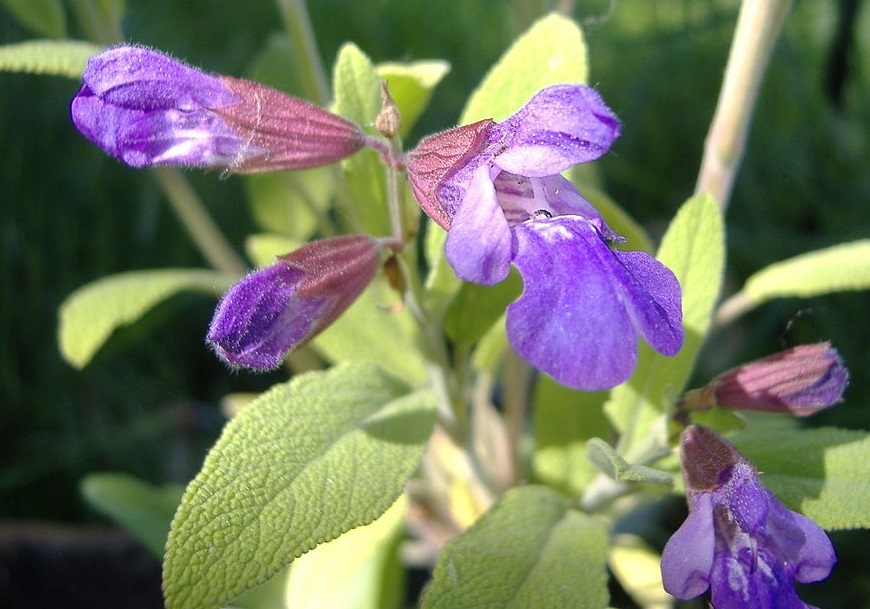
Excessive sweating, also known as hyperhidrosis, can be an embarrassing and difficult condition to manage, especially when there is no clear medical cause. Among the natural remedies tested and recommended by specialists, sage infusion (Salvia officinalis) stands out as a medicinal plant with astringent, antiseptic, and sweat gland-regulating effects. Doctors and herbalists worldwide recommend this infusion for regulating sweating, especially in cases of night sweats, hot flashes, or anxiety-related excessive skin moisture.
Benefits: How Sage Infusion Works for Excessive Sweating
1. Regulates Sweat Gland Activity
Sage contains active compounds such as rosmarinic acid, essential oils (especially thujone), and flavonoids that act directly on the nerve centers involved in sweat secretion. These compounds reduce the hyperstimulation of sweat glands, having a gentle but consistent effect in reducing sweating.
Study: A study published in Clinical Phytoscience (2016) highlighted that the internal administration of sage extract for 4 weeks significantly reduced palmar and axillary sweating in patients diagnosed with primary hyperhidrosis.
2. Natural Antiperspirant and Astringent Effect
The tannins in sage have an astringent effect on the skin, helping to close pores and reduce sweat secretion. Therefore, the infusion is useful not only internally but also externally, for local compresses or baths.
Dermatologists often recommend sage in the form of a concentrated infusion for treating areas with excessive sweating (armpits, palms, feet).
3. Combats Night Sweats and Hot Flashes
Women going through menopause often experience sudden episodes of night sweating. Sage infusion has proven effects in alleviating these symptoms by gently regulating hormones and decreasing the excitability of the autonomic nervous system.
Study: In Advances in Therapy (2011), it was shown that sage extract significantly reduced the frequency of hot flashes and night sweats in women during perimenopause.
4. Supports Nervous Balance and Reduces Anxiety Associated with Sweating
In many cases, excessive sweating occurs in emotional contexts (e.g., stress, fear, anxiety). Sage has mild calming effects, acting on the sympathetic nervous system, which leads to an indirect reduction of emotional hyperhidrosis.
5. Supports Hygiene and Reduces Unpleasant Body Odor
Due to its antibacterial and antifungal properties, sage reduces the activity of bacteria that break down sweat and generate odors. Thus, in addition to reducing sweating, the plant also contributes to skin hygiene.
Recommended Recipe for Sage Infusion
Ingredients:
- 1 tablespoon of dried sage leaves (Salvia officinalis)
- 250 ml of boiling water
Preparation Method:
- Place the sage leaves in a cup.
- Pour 250 ml of boiling water over them.
- Cover and let steep for 10 minutes.
- Strain and consume warm or cold.
Dosage:
- Drink one cup of infusion twice a day for 2-3 weeks.
- For external use: it can be applied with a soaked gauze on areas with excessive sweating or added to a basin for local baths.
Contraindications and Precautions
- Sage should not be taken in large quantities and for long periods (over 4 weeks) due to the thujone content, which can become neurotoxic in high doses.
- Contraindicated during pregnancy and breastfeeding.
- Avoid consumption in cases of epilepsy or neurological conditions.
- May interact with anticonvulsant and sedative medications.
- In some individuals, it may cause dry mouth, dizziness, or gastric irritation.
Consult a doctor or herbalist before starting a treatment with sage, especially if you have chronic conditions or are undergoing medication treatments.




