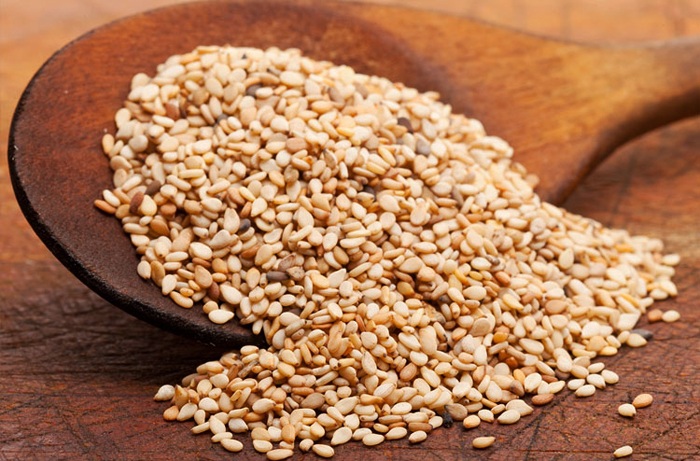
What are sesame seeds?
Sesame seeds (Sesamum indicum) are small but extremely nutritious. They come from a tropical plant and have been used for thousands of years in food and medicine. Available in both white and black varieties, sesame seeds are valued for their delicate flavor and the health benefits they provide.
Nutritional Value
Sesame seeds are an excellent source of:
- Protein – containing about 20% protein, making them ideal for vegetarians and vegans.
- Healthy fats – rich in unsaturated fatty acids, especially Omega-6.
- Fiber – supports digestion and helps maintain a feeling of fullness.
- Calcium – contributes to bone and dental health.
- Iron – helps prevent anemia.
- Magnesium, zinc, and selenium – essential for immunity and skin health.
- Antioxidants (lignans and phytosterols) – protect the body against oxidative stress and contribute to cardiovascular health.
Benefits of Consuming Sesame Seeds
- Supports heart health – Healthy fats and phytosterols help reduce LDL cholesterol, improving circulation and preventing cardiovascular diseases.
- Improves bone health – They are among the best plant sources of calcium, helping to prevent osteoporosis and maintain strong bone structure.
- Regulates blood pressure – Magnesium helps maintain normal blood pressure, preventing cardiovascular risks.
- Beneficial for skin and hair – Vitamin E and zinc contribute to cellular regeneration, keeping skin hydrated and hair healthy.
- Supports digestion – Fiber helps prevent constipation and maintains healthy bowel transit.
- Has anti-inflammatory effects – Can reduce inflammation in the body, being beneficial for individuals with chronic conditions like arthritis.
- Regulates blood sugar levels – The fiber and healthy fats help balance blood sugar, preventing sharp fluctuations.
How can we incorporate sesame seeds into our diet?
Sesame seeds are extremely versatile and can be consumed both raw and lightly toasted to enhance their flavor. Here are some simple ways to include them in your diet:
- Salads – Sprinkle sesame seeds over salads for added texture and nutrients.
- Smoothies – Add a tablespoon of ground sesame seeds to your favorite smoothie.
- On cereals or yogurt – Enhance breakfast with ground or whole sesame seeds.
- Tahini (sesame paste) – An essential ingredient in hummus and creamy sauces.
- Breads and pastries – You can use sesame seeds in bread dough or as a topping for rolls.
- In Asian dishes – Ideal in stir-fry recipes with vegetables or meat.
- Energy bars – Can be combined with honey and other seeds for a healthy snack.
Simple Recipe: Homemade Tahini
Ingredients:
- 200 g sesame seeds
- 2-3 tablespoons olive oil or sesame oil
- A pinch of salt (optional)
Preparation method:
- Toast the sesame seeds over low heat, stirring constantly, until they turn golden.
- Let them cool, then blend in a blender with the oil until you achieve a smooth paste.
- Add salt to taste and store the tahini in a jar in the refrigerator.
Sesame seeds are a true nutritional treasure, easy to integrate into your daily diet. Rich in vitamins, minerals, and antioxidants, they offer numerous health benefits. Whether you consume them raw, toasted, or in the form of tahini, you will fully enjoy their properties!




