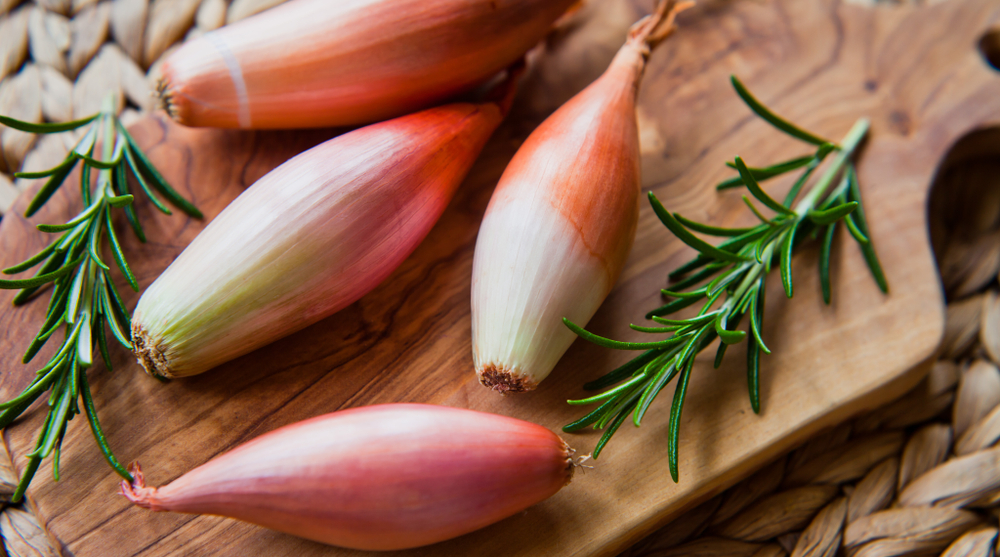
Shallot, also known as eschalot or French onion, is a perennial herbaceous plant from the Alliaceae family, edible and closely related to the onion, with which it shares many similarities. It is cultivated as an aromatic plant and as an edible vegetable.
Historically, shallots have been used for both their nutritional and aromatic properties in Indian, Asian, French, and Mediterranean cuisine. Not only do they add a sweet and mild flavor to recipes, but they are also packed with antioxidants, vitamin A, vitamin C, and several important minerals.
Shallots are considered an important plant in Indian medicinal practices and are commonly prescribed as an effective remedy for various ailments in Ayurvedic medicine. In fact, they have been used to treat numerous bodily conditions for thousands of years, both internally and externally, due to their natural cooling effect on the body. This makes shallots (and onions as well) beneficial for reducing inflammation, muscle pain, swelling, and water retention.
Like other vegetables with a similar taste, including onions and garlic, shallots can be consumed either raw or cooked, making them versatile and easy to incorporate into recipes. Studies suggest that fighting cancer, reducing food allergies, and improving detoxification are all known benefits of consuming this vegetable.
What are shallots?
What exactly is a shallot? Are shallots onions? A shallot, scientifically named Allium cepa (or previously aggregatum), is a type of onion and a member of the Amaryllidaceae plant family (also known as the allium family), which includes over 1,600 different species of plants.
Shallots, onions, and garlic are all bulbs, or underground stems, that have similar leaves, strong flavors, and a high concentration of antioxidants.
The nutrients they contain have powerful anticancer properties and immune-boosting effects.
Shallots are smaller than white, yellow, and red onions. Today, many types are cultivated worldwide, with skin colors ranging from golden brown to gray to light red.
Compared to white and yellow onions, shallots are described as having a richer and sweeter taste. The smaller ones usually have a milder flavor.
It is believed that shallots originated in Central or Southeast Asia thousands of years ago. The vegetable quickly traveled from there to India and the eastern Mediterranean regions, where it is still widely used today.
Health Benefits
1. High Source of Antioxidants
Shallots contain more flavonoid and phenolic antioxidants than most other members of the onion family. This makes them one of the best anti-inflammatory foods for reducing free radical damage and combating various chronic diseases.
Two sets of compounds make up most of the known healing properties of shallots: sulfur compounds, such as allyl propyl disulfide (APDS), and flavonoids, such as quercetin. The effects of these compounds are primarily how both onions and garlic have benefits for reversing disease.
According to a report published in the Indian Journal of Experimental Biology, both onions and garlic contain protective compounds that contain sulfur, mainly in the form of cysteine derivatives called cysteine sulfoxides. These break down naturally when you eat them, as they interact with your digestive enzymes, producing beneficial compounds known as thiosulfinate and polysulfides in the process. These special breakdown products are considered valuable. They are found especially in the oils of onions and garlic.
Because they contain most of the sulfoxides, the oils from shallots (and other onions) have antidiabetic, antibiotic, hypocholesterolemic, fibrinolytic, and various other biological actions. This means they can help with:
- controlling blood sugar levels
- preventing insulin resistance
- fighting bacterial and viral infections
- helping to lower cholesterol levels naturally
- preventing blood clot formation
Other studies also show that allium vegetables or plants have anti-inflammatory and antimicrobial properties that benefit the skin, blood vessels, digestive organs, and muscle tissue.
2. Fighting Cancer
You probably already know that there is a strong link between cancer prevention and your diet. Research published in the Asian Pacific Journal of Cancer Prevention in 2012 showed that ethyl acetate extracts (EEO) found in shallots and other onions have strong inhibitory effects on fatty acid synthase (FAS), which helps slow the growth of cancer cells.
What can a shallot do when it comes to cancer prevention? The ability to induce apoptosis, or self-destruction and death of dangerous cells, is well-researched in allium vegetables. This seems particularly beneficial for combating some of the most common types of cancer, including stomach and colon cancer.
Results from a large case study indicate that consuming allium vegetables can significantly reduce the risk of stomach cancer.
3. Improve Heart Health
Many antioxidants in onions, including allicin and quercetin, are considered antihypertensive. Based on studies in humans and animals, onion quercetin can reduce blood pressure. Allicin is a special and somewhat unique compound found in shallots, garlic, and other onions that is released when they are chopped.
According to an analysis conducted by the Department of Applied Biology at the Polytechnic University of Hong Kong, allicin further protects the cardiovascular system by improving antioxidant status and reducing levels of reactive oxygen species while stimulating glutathione production. Glutathione is often referred to as a master antioxidant and is known for significantly improving health in various ways.
Allicin compounds can inhibit a certain enzyme produced in the liver that creates cholesterol. They help improve circulation and dilate blood vessels, making them an excellent food for lowering blood pressure.
Shallots are a good source of potassium. Potassium helps regulate fluid levels in the body and plays an essential role in the functioning of nerves and muscles, including one of the most important muscles in your body: the heart. Consuming potassium-rich foods supports a healthy metabolism, as this mineral is necessary for breaking down carbohydrates into usable energy. Additionally, potassium is linked to cardiovascular health, helping to lower high blood pressure and counteracting the effects of a sodium-rich diet.
4. Help Combat Obesity
Some studies have found that EEO present in shallots can suppress lipid (or fat) accumulation and help prevent obesity. Since obesity is closely linked to heart disease, diabetes, and cancer formation (obese patients are considered to be at increased risk of developing various types of cancer and other chronic diseases), shallots and onions could be useful for both preventing weight gain and complications related to obesity.
5. Help Prevent or Treat Allergies
Results from numerous studies have shown that shallots have promising anti-allergic effects that can be attributed to their antihistaminic, anti-inflammatory, and antioxidant activities. A study published in the Journal of Medicinal Food found that shallots and onions are effective in affecting various allergic reactions.
When shallot extract was administered to mice, they experienced reduced histamine release and other benefits related to common allergy symptoms. A substantial reduction in lipid peroxidation in the lungs and a higher level of protective antioxidant activity, particularly superoxide dismutase activity, were observed. This means that shallots and onions can help reduce symptoms of certain allergies.
6. Have Antibacterial and Antiviral Properties
Both shallots and garlic produce biochemical reactions that are known to fight infections, viruses, and inflammation. When various immunological parameters of shallots were studied, researchers found that the vegetable’s antioxidant enzymes (especially superoxide dismutase and glutathione peroxidase) help combat common illnesses and more severe infections.
Onions have also shown antifungal activity against various fungi in many studies, including Candida. If you want to combat Candida symptoms naturally, low-sugar vegetables like shallots should be at the top of your list.
Research has found that onions contain natural antibacterial activities that can help alkalinize the body and combat even strong forms of bacterial infections. Allicin found in shallots, onions, and garlic is a powerful antimicrobial that offers protection against a wide range of bacteria, including some drug-resistant bacteria that are particularly dangerous.
7. Improve Circulation and Help Detoxify the Body
It is believed that both shallots and garlic help eliminate carcinogens and toxins from the digestive tract due to their circulation-stimulating abilities. According to traditional medicine, something that has a pungent taste on the tongue, including shallots and garlic, is believed to reduce thermal exhaustion and inflammation and prevent dehydration or overheating. This is one of the reasons why onions are commonly consumed in many countries with warm climates.
Shallots may help stimulate digestive enzymes, heal the gut, reduce oxidative stress in the digestive organs, and prevent inflammation associated with allergies or food sensitivities. They are also an effective ingredient for helping detoxify the liver.
8. May Help Control Blood Sugar Levels
Shallots are known for their anti-diabetic activity, and many studies have shown that they have beneficial effects on insulin and may help control weight gain, similar to onions. They have hypoglycemic effects that stimulate insulin secretions. This reduces inflammatory responses associated with diabetes and other autoimmune diseases.
According to researchers at the University of Michigan, consuming a higher amount of shallots has been shown to lower blood sugar levels in people with diabetes, possibly by blocking insulin breakdown in the liver. Compounds like APDS in shallots have been shown to block insulin breakdown by the liver and possibly stimulate insulin production by the pancreas, which increases the amount of insulin in the blood and reduces glucose.
Nutritional Information
28 grams of shallots contain approximately:
- 20.2 calories
- 4.7 grams of carbohydrates
- 0.7 grams of protein
- 333 international units of vitamin A (7% DV)
- 0.1 milligrams of vitamin B6 (5% DV)
- 2.2 milligrams of vitamin C (4% DV)
- 0.1 milligrams of manganese (4% DV)
- 93.5 milligrams of potassium (3% DV)
- 9.5 micrograms of folate (2% DV)
- 0.3 milligrams of iron (2% DV)
- 16.8 milligrams of phosphorus (2% DV)
In addition to the sulfoxides found in shallots and other members of the allium family, there are also peptides and proteins present that are capable of various immune-boosting activities, making shallots an important source of therapeutic agents.




