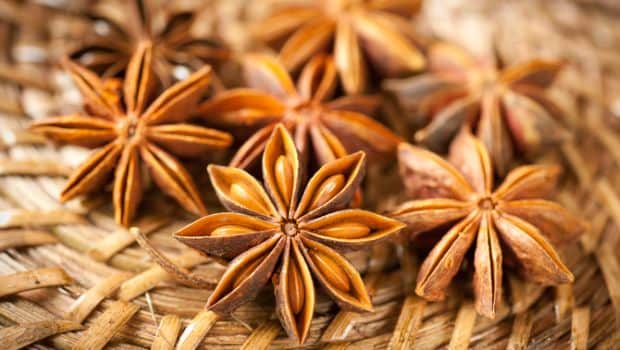
From its unmistakable aroma to its unique star shape, star anise is truly a one-of-a-kind spice. Moreover, not only is it versatile and full of flavor, but it also contains a range of compounds that can help improve your health.
Not to be confused with anise seeds, the benefits of star anise include destroying bacteria and fungi, naturally combating the flu, improving heart health, providing a concentrated dose of antioxidants, and maintaining stable blood sugar levels.
Along with a nutritious diet and an active lifestyle, adding this powerful ingredient to your diet may be just what you need to elevate your health to the next level.
What is star anise?
Star anise comes from Illicium verum, a type of evergreen tree native to certain regions of Vietnam and China. The tree produces a fruit known as star anise, which is used as a spice to add flavor to a variety of dishes. The fruit is harvested before ripening and then sun-dried to allow it to mature. It is characterized by its distinct star shape, orange-brown color, and strong aroma.
Star anise contains many medicinal compounds that contribute to its long list of health benefits. In fact, a large portion of today’s star anise plant production is used for extracting shikimic acid, the active ingredient in flu medications such as Tamiflu. It also contains several other powerful compounds, such as linalool, vitamin C, and anethole.
Is star anise good for you? 6 benefits of star anise
1. Kills bacteria
Pathogenic bacteria can cause a variety of ailments, from ear infections to urinary tract infections and more. Star anise has been shown to possess strong antibacterial properties and can be beneficial in protecting against these harmful strains of bacteria.
A test-tube study demonstrated that star anise extract could help block the growth of E. coli, a type of bacteria that can cause a wide range of symptoms, such as diarrhea and pneumonia. Another test-tube study published in the Journal of Medicinal Food showed that this spice exhibited antibacterial activities against 67 strains of antibiotic-resistant bacteria.
Anethole, linalool, and shikimic acid are all compounds found in star anise that are said to help fight bacteria.
2. Rich in Antioxidants
Antioxidants are substances that can protect against the formation of harmful free radicals in the body. Getting enough antioxidants in your diet can combat oxidative stress, which can prevent the progression of chronic diseases.
Due to its high antioxidant content, some studies have found that star anise may also be effective against cancer cells. An animal study found that it reduced tumor burden and oxidative stress, and additionally increased the levels of specific enzymes that play an important role in cancer prevention. However, research is limited, and more studies are needed to determine how the antioxidants found in star anise can affect human health.
3. Fights fungal infections
In addition to destroying pathogenic bacterial strains, some research suggests that star anise may also have strong antifungal properties. Fungal infections are often more difficult to treat and can present in various forms, from yeast infections to athlete’s foot and more.
According to a test-tube study published in the Korean Journal of Medical Mycology, star anise extract and essential oil were effective against Candida albicans, a type of fungus responsible for causing yeast infections.
4. May boost heart health
Ranked as the leading cause of death and accounting for nearly one-third of all deaths, heart disease is clearly a massive health concern for millions of people worldwide.
Packed with powerful antioxidants, star anise may help reduce oxidative stress, prevent the accumulation of harmful free radicals, and improve heart health.
Although research is limited, some studies have shown promising results regarding the potential benefits of this spice on heart health. In an animal study published in BMC Complementary and Alternative Medicine, it was found that an ethanolic extract of star anise helped normalize changes in weight, blood pressure, and lipid levels in rats fed a high-fat diet. Not only that, but it also reduced arterial plaque accumulation and lowered several markers of inflammation.
While further research is needed, adding star anise to a healthy diet and lifestyle may help keep your heart in good shape to protect against issues such as heart disease and stroke.
5. Combats the flu
Chills, fever, muscle aches, and fatigue—you’re probably familiar with the dreaded list of symptoms that start to appear just before a typical flu case. The next time you feel this way, you might want to prepare a cup of star anise tea for a quick boost in your flu-fighting power.
Star anise contains a compound called shikimic acid, which is commonly found in medications used to treat the flu, such as Tamiflu. A test-tube study published in the Journal of Medical Virology found that combining shikimic acid with quercetin, a type of natural plant pigment, significantly increased immune cell production compared to treatment with Tamiflu.
6. May help regulate blood sugar
High blood sugar levels can cause a long list of diabetes symptoms, from increased thirst to difficulty concentrating, fatigue, and even unintentional weight loss. If left untreated, elevated blood sugar can contribute to even more serious long-term issues, such as kidney failure and nerve damage.
Adding star anise to your diet may help keep blood sugar levels in check, thanks to the presence of anethole. Some studies have found that this powerful compound may be beneficial in maintaining normal blood sugar levels. In an animal study, it was found that treating diabetic rats with anethole improved blood sugar levels by regulating some of the key enzymes involved in carbohydrate metabolism.
Star anise vs. anise seeds
Star anise is often confused with anise seeds, both due to their similar names and flavor profiles. Since both contain anethole, they have a sweet, licorice-like taste and aroma. However, these two spices belong to completely different plant families and have many differences that set them apart.
Anise is a type of plant that belongs to the Apiaceae family and is native to both the Mediterranean region and Southwest Asia. The plant produces white flowers, as well as an elongated fruit known as anise seed, which is commonly used to flavor everything from teas to desserts and liqueurs.
Star anise, on the other hand, comes from a green evergreen tree native to Vietnam and China. In addition to its culinary uses, star anise and its oil are also found in toothpaste, mouthwash, skin creams, and even certain medications.
Despite their differences, these two ingredients can be used interchangeably in some recipes. Anise seeds can be used as a suitable substitute for star anise, as they share a similar taste and aroma.
Precautions and side effects
While it is associated with many health benefits and is generally considered a safe way to add flavor to foods, star anise should be used in moderation to prevent negative side effects.
Make sure you are using Chinese star anise and not Japanese star anise. The Japanese version is inedible and actually toxic if consumed orally.
It is believed that some products containing star anise, such as teas, may be contaminated with small amounts of Japanese star anise. For this reason, this spice is not recommended for infants and children, as it has been associated with a range of adverse symptoms, such as seizures and convulsions, due to contamination.
Additionally, there is not enough evidence to determine the safety of this spice for pregnant or breastfeeding women. Stay safe and consult your doctor if you have any concerns.
Finally, if you experience any negative side effects or food allergy symptoms after consuming star anise, discontinue use immediately and consult a trusted healthcare professional.




