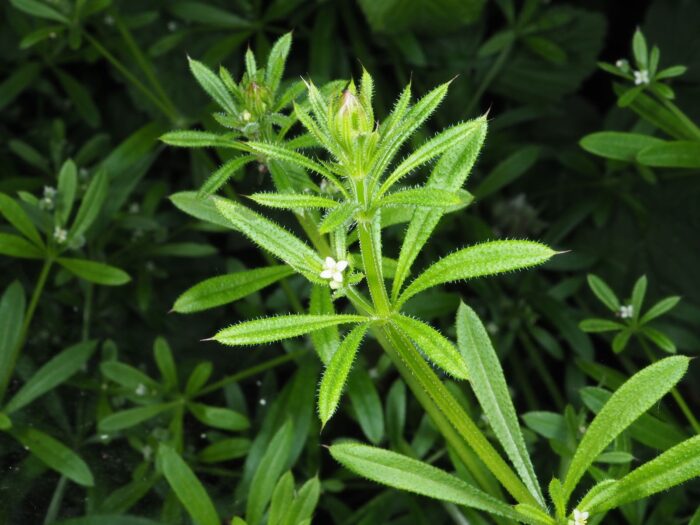
Commonly known as sticky grass or cleavers, Galium aparine is a European medicinal plant rediscovered in modern therapies due to its detoxifying and anti-inflammatory properties.
Chemical Composition
Sticky grass (Galium aparine) is rich in:
- Iridoids (asperuloside) with anti-inflammatory effects
- Tannins with astringent and antiseptic action
- Flavonoids providing antioxidant protection
- Gallic acid and citric acid contributing to detoxification
- Saponins supporting kidney and liver health
- Vitamin C boosting the immune system
Mechanism of Action in the Body
- Lymphatic drainage stimulates lymph circulation and cleanses lymph nodes.
- Natural diuretic eliminates excess water and toxins through urine.
- Hepatic and skin detoxifier supports the liver and skin in elimination processes.
- Soothing for the skin recommended for eczema, psoriasis, and acne.
- Light antitumoral in vitro studies show antiproliferative potential due to iridoids.
Relevant Studies
- Lymphatic herbs: a review of their traditional uses and modern evidence (Journal of Herbal Medicine, 2018): highlights the traditional use of Galium aparine in lymphatic drainage, supported by its diuretic and moderate anti-inflammatory effects.
- Evaluation of the anti-inflammatory potential of Galium aparine extract (Phytotherapy Research, 2016): the extract reduces pro-inflammatory cytokine levels in cellular models.
- Galium species as potential sources of antitumor agents (Frontiers in Pharmacology, 2019): indicates the presence of active compounds with antitumoral effects in alcoholic extracts.
Recipes and Usage
1. Tea for Lymphatic Drainage
- 1 teaspoon of dried plant in 250 ml of boiling water.
- Infuse for 10-15 minutes.
- Drink in the morning and at noon for 3 weeks.
2. Tincture
- Fill a jar with freshly chopped plant, adding 40% alcohol to cover completely.
- Let it sit in the dark for 14 days, shaking daily.
- Strain and take 20 drops 2-3 times a day.
3. Compress for Irritated Skin
- Crushed plant applied directly to the affected area, covered with gauze.
- Leave for 30 minutes, twice a day.
Harvesting and Drying
- Harvest in May-June, during the peak growth phase.
- Cut with scissors the aerial parts (stems and leaves).
- Dry in the shade, in a thin layer, on paper or a sieve, for 5-7 days.
Contraindications
Although considered a valuable plant in phytotherapy, Sticky Grass should be used with caution in certain situations:
-
Allergies or hypersensitivity
Individuals sensitive to plants from the Rubiaceae family may develop allergic reactions such as rashes, nausea, or digestive irritations. -
Severe kidney conditions
Due to its strong diuretic effect, sticky grass may exacerbate hydro-electrolytic imbalances in individuals with kidney failure or other serious kidney diseases. -
Pregnancy and breastfeeding
There are not enough studies regarding the safety of using this plant during pregnancy and breastfeeding, so it is recommended to avoid consumption during these periods. -
Treatment with diuretics or blood pressure medications
The plant may potentiate the effects of diuretic and antihypertensive medications, increasing the risk of hypotension, dehydration, or excessive potassium drop. -
Surgical interventions
Due to its diuretic effect and possible influence on coagulation (through lymph detoxification), it is advisable to avoid the plant at least 2 weeks before a surgical intervention. -
Children under 12 years
The use of the plant in children is not sufficiently studied, so administration should only be done on the recommendation of a phytotherapist or doctor. -
Diabetes or treatment with hypoglycemic medications
Some sources suggest that sticky grass may lower blood sugar levels through its detoxifying and diuretic effect. Therefore, individuals undergoing diabetes treatments (including insulin or oral antidiabetics) should use it with caution to avoid hypoglycemic episodes. Close monitoring of blood sugar levels and consultation with a doctor before use is recommended.
Other Observed Benefits
- Helps in cases of water retention and swollen legs.
- Supports hormonal balance by aiding in the elimination of excess estrogen.
- Used in cases of mild urinary infections as an adjunct.
Sources:
- Lymphatic herbs: a review of their traditional uses and modern evidence, Journal of Herbal Medicine, 2018
- Evaluation of the anti-inflammatory potential of Galium aparine extract, Phytotherapy Research, 2016
- Galium species as potential sources of antitumor agents, Frontiers in Pharmacology, 2019
- Herbal Medicine: Biomolecular and Clinical Aspects (2nd edition), CRC Press
- Medicinal Plants from A to Z, Maria Treben




