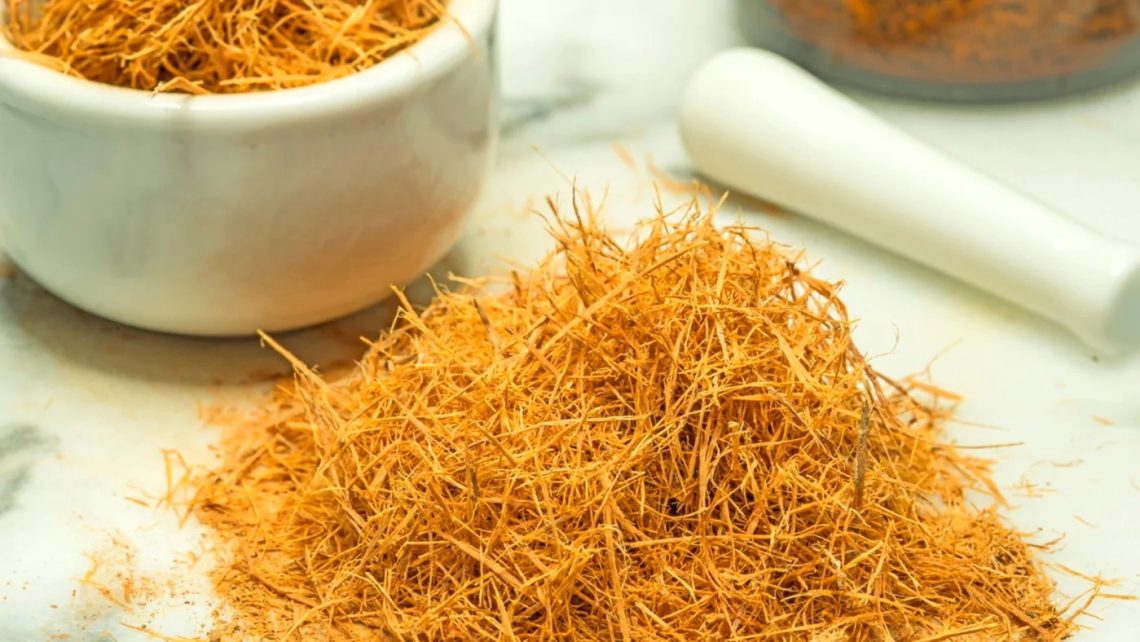
Cat’s claw is one of the best antiviral plants for boosting the immune system and fighting infections. This powerful plant is not only antiviral but also has anti-inflammatory, anti-mutagenic, and antioxidant properties. These health-promoting attributes make this plant useful as a natural treatment for arthritis, allergies, asthma, diabetes, chronic fatigue syndrome, cancer, viral infections, ulcers, hemorrhoids, and many more.
This woody vine, native to the Amazon rainforest, can help with many serious health issues by assisting the body in eliminating free radicals that cause cellular damage. Test-tube studies show that cat’s claw can stimulate the immune system, dilate blood vessels, act as a diuretic, and relax smooth muscles (such as those in the intestines).
Cat’s claw has a long history in South America, dating back to the Inca civilization. It has been used as traditional medicine by indigenous peoples in the Andes to treat inflammation, rheumatism, gastric ulcers, dysentery, and even tumors. It has also been used in folk medicine in South America to treat arthritis, leaky gut syndrome, and wounds. One of the most impressive effects of cat’s claw is its scientifically proven ability to repair DNA.
All these properties make cat’s claw a plant rich in benefits, and this is not all it can do for you.
Nutritional Information
For medicinal purposes, the root and bark of cat’s claw are transformed into teas, tinctures, capsules, or tablets. Cat’s claw is full of beneficial chemical compounds.
It is said to contain over 30 known constituents, including at least 17 alkaloids, along with glycosides, tannins, flavonoids, sterol fractions, and other compounds. All these phytonutrients can do amazing things in the body, such as the benefits listed above.
Health Benefits
1. Treats Arthritis
Several studies have confirmed the use of cat’s claw to naturally improve both osteoarthritis and rheumatoid arthritis symptoms.
A study published in the Journal of Rheumatology analyzed the effects of cat’s claw on patients with active rheumatoid arthritis (RA) who were currently taking conventional medications for RA. In this double-blind study, 24 weeks of treatment with cat’s claw extract led to a reduction in the number of painful joints compared to placebo. The extract was obtained from a strain of cat’s claw that contains pentacyclic oxindole alkaloids, compounds that appear to be modulators of the immune system.
2. May Fight Cancer
Scientific studies suggest that cat’s claw may help kill tumor and cancer cells in test tubes. An in vivo study demonstrated that the bark of cat’s claw (Uncaria tomentosa) prevented the growth of the human breast cancer cell line MCF7, having anti-mutagenic and antiproliferative effects on cancer cells.
Cat’s claw has also demonstrated the ability to fight leukemia. A study published in the British Journal of Hematology was the first to investigate the antiproliferative and apoptotic effects of five highly purified oxindole alkaloids from Uncaria tomentosa, including isopteropodine, pteropodine, isomitrafilin, uncarine F, and mitrafilin.
Four of the five alkaloids inhibited the proliferation of human leukemia cells in the lab, but researchers found that pteropodine with cat’s claw and uncarine F were particularly impressive. These alkaloids were the most potent in both inhibiting the growth of human leukemia cells and inducing cancer cell death or apoptosis. This indicates that these specific alkaloids have significant potential not only to prevent cancer from continuing to grow but also to kill cancer cells outright.
A 2015 study also found that cat’s claw might be particularly beneficial for patients with advanced cancer by improving quality of life and reducing fatigue. All of this makes cat’s claw a potentially effective natural treatment for cancer.
3. Repairs DNA
In vivo studies have shown that water-soluble extracts from cat’s claw (C-Med-100) can improve DNA repair, mitogen response, and recovery of leukocytes after DNA damage induced by chemotherapy. Chemotherapy is a common conventional cancer treatment with many negative side effects, including damage to healthy cell DNA.
A study analyzed the effects of using a water-soluble cat’s claw extract (250 and 350 milligrams per day) for eight weeks on adult volunteers who had previously received chemotherapy. The results were truly extraordinary. There was a significant decrease in DNA damage and an increase in DNA repair in both groups of cat’s claw supplements compared to the group without supplements. The supplement groups showed an increase in white blood cell proliferation, which is a huge finding since chemotherapy typically reduces the number of white blood cells and increases the risk of infection.
One study aimed to evaluate the ability of a water-soluble cat’s claw extract to improve DNA repair in human skin. Using skin cultures, researchers found that the extract protected human skin cells from death induced by ultraviolet radiation. How? By increasing the skin cells’ ability to repair DNA damage caused by UV light. Researchers concluded that cat’s claw extract should be considered for use as a natural sunscreen.
4. Lowers Blood Pressure
Studies with cat’s claw as a treatment for high blood pressure indicate that it may be useful in naturally reducing hypertension. In Traditional Chinese Medicine, a variety of cat’s claw (Uncaria rhynchophylla) has been used to lower blood pressure as well as to improve various neurological symptoms.
It has also been shown that cat’s claw inhibits platelet aggregation and blood clot formation. This means that cat’s claw could help prevent heart attacks and strokes, not only by lowering blood pressure and increasing circulation but also by inhibiting plaque and blood clot formation in arteries, the heart, and the brain.
The ability of cat’s claw to improve blood pressure has been attributed to an alkaloid called hirsutin. This health-promoting alkaloid has been found to act specifically on the calcium channels of the heart and blood vessels as a calcium channel blocker.
Why is this significant? Calcium channel blockers can lower blood pressure by blocking the entry of calcium into the heart cells and the walls of blood vessels. Calcium channel blockers also increase and relax blood vessels, which helps blood circulation in a healthy and smooth manner.
5. Supports Immune Function
Both animal and human studies have demonstrated the powerful immune-boosting abilities of cat’s claw. In an animal study, researchers gave rabbits a water-soluble extract of cat’s claw (Uncaria tomentosa) for eight weeks. They found that this supplementation significantly increased the number of white blood cells that fight infections.
Researchers observed DNA repair, both single and double breaks. These two extremely impressive findings came without signs of acute or chronic toxicity.
6. May Help Treat HIV
Some people with severe viral infections, such as HIV, use cat’s claw as a dietary supplement. They choose cat’s claw because it has been shown to support the immune system. In South Africa, HIV and AIDS are major health issues, with approximately 25.5 million people living with HIV in sub-Saharan Africa. The use of traditional remedies for HIV and AIDS is very common in Africa.
However, one study showed that natural remedies like cat’s claw may have potentially significant interactions with conventional antiretrovirals used to slow the progression of HIV. Until more substantial human research is conducted, combining cat’s claw with conventional medications does not seem to be a good idea, as it may lead to unwanted side effects.
There is also a lack of controlled clinical studies, but at least one uncontrolled study suggested a positive effect on lymphocytes (white blood cells) in HIV-positive individuals.
7. Fights Herpes
Cat’s claw appears to have positive effects on the immune system when it comes to herpes. The herpes virus can remain latent in a person’s immune system for a lifetime, causing periodic blisters.
A study published in Food and Chemical Toxicology analyzed the effects of various preparations of Uncaria tomentosa on herpes in vitro and found that they exhibited anti-mutagenic and anti-herpetic activities. The ability of cat’s claw to fight herpes is associated with polyphenols that work synergistically with alkaloids and oxindoles or quinovic acid glycosides.
8. Improves Digestive Issues like Crohn’s Disease
Researchers are analyzing the potential benefits of cat’s claw for individuals suffering from Crohn’s disease. Crohn’s disease is an inflammatory bowel disease that causes inflammation of the digestive tract lining, which can lead to abdominal pain, severe diarrhea, fatigue, weight loss, and malnutrition.
Cat’s claw, particularly Uncaria tomentosa, is believed to help combat the inflammation associated with Crohn’s disease. A dose of 250 milligrams per day is recommended for Crohn’s patients. If you can naturally calm the inflammation, the unwanted symptoms of Crohn’s disease should improve significantly.
Cat’s claw is used to treat a wide range of digestive disorders, including colitis, diverticulitis, gastritis, hemorrhoids, gastric ulcers, and leaky gut syndrome.
How to Use (and Dosage)
It is easy to find cat’s claw supplements at your nearest health food store or online. You can purchase cat’s claw in the form of liquid extract, capsules, or tablets. You can also buy cat’s claw tea.
The traditional use of cat’s claw is to make a tea from the inner bark of the plant. You can use store-bought tea or buy bulk bark and make the tea yourself.
Commercial preparations of cat’s claw vary in terms of dosage recommendations and standardization of active constituents. The recommended dose for C-Med-100, a patented extract of cat’s claw bark (Uncaria tomentosa), is 300 milligrams per day. For proper dosing, follow the instructions on the label or consult an expert if you are unsure.
Cat’s claw cream can also be used as a topical treatment for arthritis, rheumatism, and various muscle and joint issues.