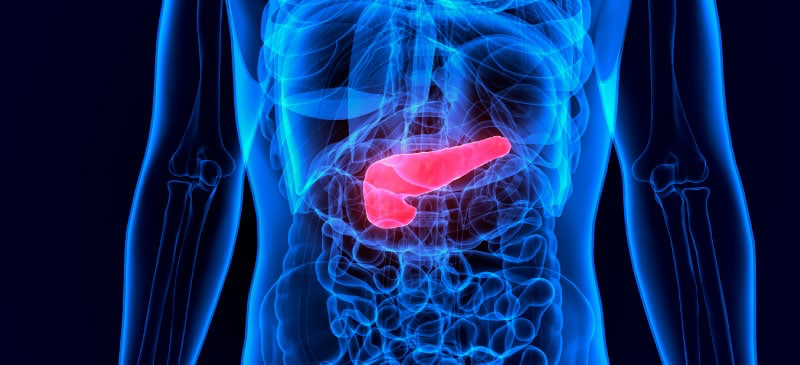
Digestion and nutrient absorption are complex processes that take place over several hours, starting from the moment you introduce food into your mouth. The pancreas is essential in digestion, as it secretes pancreatic enzymes that facilitate the breakdown of food into smaller molecules, allowing the body to effectively utilize fats, vitamins, minerals, amino acids, and more.
The pancreas also helps regulate blood sugar levels by secreting hormones such as insulin and glucagon.
What are some reasons you might experience pancreatic enzyme insufficiency? Common causes include pancreatitis, cystic fibrosis, autoimmune disorders, alcoholism, or surgical interventions that affect the gastrointestinal tract.
What are pancreatic enzymes?
The pancreas is not actually an organ but a long, triangular-shaped gland located deep within the abdomen, between the spine and the stomach.
The pancreas secretes a digestive juice composed of two elements: digestive enzymes and bicarbonate. Bicarbonate helps neutralize stomach acid and makes pancreatic secretions more alkaline.
What are enzymes?
All enzymes are catalysts that allow the transformation of molecules from one form to another.
Digestive enzymes, in particular, are substances secreted by the body to help break down larger molecules (the macronutrients we refer to as proteins, carbohydrates, and fats) into smaller molecules. Additionally, bile and hydrochloric acid assist in food breakdown.
There are more than 2,700 different types of enzymes in the human body, each with its unique role. Most digestive enzymes are produced in the pancreas, although they are also produced in other parts of the digestive system.
We have different enzymes for breaking down various types of molecules found in food, including proteins, fats, carbohydrates, fibers, and acids.
What are the three pancreatic enzymes?
According to the Pancreatic Cancer Action Network, a normally functioning pancreas secretes about 8 cups of pancreatic juice into the duodenum daily.
The major categories of enzymes produced by the pancreas include: amylase (breaks down starch/carbohydrates), protease (breaks down peptide protein bonds), and lipase (breaks down fats).
There are also other types that have unique roles, including:
ribonuclease
deoxyribonuclease
gelatinase
phytase
pectinase
lactase
maltase
Pancreatic enzymes in traditional medicine:
In Ayurvedic medicine and traditional Chinese medicine, plant-derived enzymes have been used to help reduce bloating, act as diuretics, and assist in managing inflammation.
In TCM (traditional Chinese medicine), for example, it is said that plant-based enzymes improve digestive energy and rebalance the yin and yang qualities of the body. Enzymes primarily have yang qualities, as they are a driving force behind almost every biochemical process in the body. The goal of using enzymes in traditional medicine is to support the stomach/spleen and enhance Qi, or vital energy.
Fresh/raw enzymes are emphasized the most because heat destroys the delicate enzymes in plants. Other recommendations for supporting the pancreas and the intestines in general include choosing whole, organic, unprocessed foods, avoiding GMOs; limiting the intake of cold liquids and foods; and chewing food well.
Benefits and functions
What are pancreatic enzymes necessary for? Here are some of the main roles and benefits of pancreatic enzymes:
1. Digestion of starch/carbohydrates
Amylase (or alpha-amylase) is an enzyme secreted by the salivary glands and pancreas that helps with carbohydrate absorption.
Some pancreatic amylase is present in saliva, initiating the digestive process when you start chewing food, but most is produced in the pancreas. A lack of amylase can cause gastrointestinal issues such as bloating, loose stools, and diarrhea.
2. Breakdown of proteins into smaller peptides
Proteases are a category of enzymes that help break down proteins. There are several different types, including trypsin, chymotrypsin, and carboxypeptidase. They work by transforming proteins (peptide bonds) into smaller peptides.
Peptidases, located on the surface of the thin intestinal epithelial cells, can then break down the peptides into individual amino acids (the building blocks of proteins).
3. Digestion of fats and absorption of fat-soluble vitamins
Lipase is produced by the pancreas, and this enzyme helps break down fats. It transforms triglycerides into 2-monoglycerides and two free fatty acids, allowing them to be absorbed through the intestinal mucosa.
Pancreatic lipase is secreted into the intestinal lumen. For lipase to work correctly, bile salts must also be present to assist in fat absorption. A lack of this enzyme interferes with fat digestion and the absorption of essential fat-soluble vitamins (vitamins A, E, D, and K). It can also cause issues such as diarrhea and/or greasy stools.
4. Protection against microbes and support for the immune system
In addition to breaking down proteins, proteases support the immune system by combating parasites such as bacteria, yeast, and protozoa in the intestines.
A lack of protease can contribute to allergies and intestinal infections. These pancreatic enzymes can modulate inflammatory processes in several ways—for example, by reducing swelling of mucous membranes, improving circulation, transporting harmful waste, decreasing capillary permeability, and dissolving deposits that form blood clots.
Reasons someone may have pancreatic insufficiency include:
Chronic pancreatitis (when the pancreas is inflamed).
Other chronic diseases, including cystic fibrosis and autoimmune diseases.
Age, as low stomach acidity or enzyme insufficiency is more common in older adults.
Pancreatic cancer.
Pancreatic or duodenal tumors.
High levels of inflammation.
High triglyceride levels (a type of fat in the blood).
Parasitic infections.
Alcohol.
When pancreatic enzymes are not produced properly, they must be obtained from an external source. They can be taken in the form of pills or capsules to facilitate nutrient absorption, especially if someone has chronic pancreatitis.
Symptoms of a damaged, inflamed pancreas:
Abdominal pain or tenderness
Foul-smelling stools
Indigestion, cramps, and stomach pain
Diarrhea, loose stools, or frequent stools
Gas and abdominal bloating
Loss of appetite and weight loss
Yellow or orange stools
Foods to eat and avoid for the pancreas
Before enzymes became available in supplement/capsule form, traditional medicine systems encouraged the consumption of foods that naturally support digestion. For example, papain is a protease enzyme derived from papaya that can help stimulate the digestion of fats and proteins.
Foods rich in antioxidants, including raw vegetables and fruits. These include leafy green vegetables; all berries; orange and yellow vegetables such as carrots, bell peppers, squash, and sweet potatoes; tomatoes; artichokes; asparagus; broccoli; cauliflower; etc.
Pineapple, papaya, and kiwi, which are excellent sources of digestive enzymes.
Ginger and other fresh herbs and spices.
Fermented/probiotic foods, such as sauerkraut, yogurt, kefir, natto, miso, and miso soup.
Healthy fats, such as coconut or olive oil and avocado. Healthy fats are energy-dense, making them useful for adding calories to your diet and preventing weight loss.
Freshly made juices from raw vegetables and fruits.
Nuts and seeds, ideally soaked to help with nutrient absorption.
Uncooked grains or lightly cooked foods, such as wheat germ.
Clean proteins, including pasture-raised poultry, wild fish, and eggs.
In addition to a nutrient-rich diet, you should try to eat five or six small meals a day instead of just a few large meals.
Your doctor may also recommend taking multivitamins to help prevent deficiencies in key vitamins, including fat-soluble vitamins such as A, D, E, and K.
Other suggestions to support digestion include:
Eating seasonal foods.
Relaxing during meals.
Chewing food well.
Eating foods at room temperature or slightly warm (not very cold), including warm foods like soups, well-cooked vegetables, and stews.
Consuming warming spices such as ginger, rosemary, sage, oregano, turmeric, cumin, coriander, fennel, cardamom, fenugreek, cloves, and nutmeg.
Leaving three hours between meals.
Drinking water half an hour before meals, but not during meals.
Eating at least two to three hours before bedtime.
Waiting at least two hours after eating to exercise. Yoga and stretching can also help.
What foods are harmful to your pancreas?
Alcohol
Fried foods and very fatty or oily foods
Foods that are overcooked and preserved, including fried foods, canned foods, which lose some nutrients due to exposure to high heat
Processed foods that contain synthetic additives




