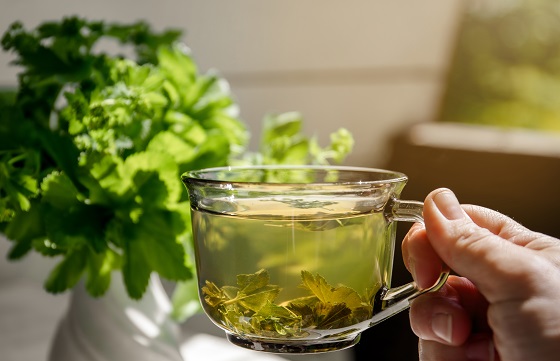
Tea is among the most well-known natural remedies, with proven beneficial effects for a variety of ailments. There is a multitude of teas, each with its specific properties, and among these, tea for the urinary bladder enjoys particular interest. Urinary problems are quite common, and in many cases, tea for the urinary bladder significantly helps alleviate unpleasant symptoms and speed up healing.
If you are looking for a tea for the urinary bladder, you can find below some suggestions as well as information on how they work and the conditions for which they are recommended.
What conditions can be alleviated with tea for the urinary bladder
When it comes to urinary conditions, the most common are infections that occur as a result of bacteria entering and developing in the urinary tract, often reaching the bladder. It is estimated that approximately 150 million people worldwide face urinary infections each year, which can occur at any age. These problems are more frequent in women, favored by the specific anatomical structure of the urinary system, with a shorter and wider urethra, allowing easier entry of bacteria into the bladder.
In most cases, these infections affect the lower urinary tract, consisting of the urethra and bladder, having mild forms but generating unpleasant symptoms. Consuming tea for the urinary bladder aims to neutralize the bacteria that caused the infection and stop their multiplication, thus promoting healing.
Additionally, tea for the urinary bladder can also be administered preventively to avoid the occurrence of such problems.
How to know if you need tea for the urinary bladder
As mentioned, urinary infections usually have mild forms, but they cannot be overlooked due to the symptoms that cause discomfort and can even disrupt daily activities. A characteristic symptom of all types of urinary infections is the frequent need to urinate, accompanied by the elimination of a small amount of urine. Sometimes, despite the urgent need, no drop of urine is eliminated, but the annoying sensation persists.
During urination, a burning sensation or pain in the urethra occurs, and another evident symptom consists of changes in the appearance and smell of the urine. It becomes cloudy and dark-colored, with a strong and unpleasant odor. Additionally, the presence of blood in the urine may sometimes be observed, a symptom known as hematuria.
Lastly, urinary infections can also manifest as pelvic pain in women and rectal pain in men.
These are specific symptoms of mild forms of infections affecting the lower urinary tract, and their intensity can be alleviated by consuming tea for the urinary bladder. Although we are talking about an effective remedy, the administration of tea for the urinary bladder should be done after a prior consultation with a urologist. They are the only ones qualified to establish the diagnosis and appropriate treatment, as well as whether it is advisable to consume tea for the urinary bladder.
What properties should a tea for the urinary bladder have
If your doctor recommends using tea for the urinary bladder as an adjunct, you can choose your preferred option while considering certain properties, depending on the condition you are suffering from. Thus, a tea for the urinary bladder should combine as many of the following qualities as possible:
Diuretic effect this property makes tea for the urinary bladder stimulate urine production, thus alleviating difficulties in urination and facilitating the elimination of bacteria from the urinary tract.
Antimicrobial action a tea for the urinary bladder should also contain substances with antimicrobial effects that, once in the urinary tract, act against the pathogens that caused the infection, thus supporting the immune system.
Anti-inflammatory effect urinary tract infection is accompanied by an inflammatory process, which is responsible for some of the specific symptoms such as difficulties in urination, the frequent need to urinate, or associated pain. Consuming tea for the urinary bladder with anti-inflammatory effects helps reduce inflammation, implicitly alleviating the symptoms it generates.
Antioxidant action oxidative stress exerted by free radicals on cells favors the appearance of problems in the urinary tract and also amplifies the symptoms caused by infections. Therefore, it is preferable for a tea for the urinary bladder to have antioxidant effects, acting directly on free radicals, neutralizing them, and thus preventing oxidative stress that alters the structure and functionality of cells.
The most well-known teas for the urinary bladder
There are several teas that meet one or more of the qualities listed above, which is why they are considered beneficial in treating specific urinary tract conditions. Below you can find out what they are.
1. Chamomile tea
Chamomile tea is frequently used to treat various health problems, among others, it is also considered a good tea for the urinary bladder. It has a mild diuretic effect but is notable for its anti-inflammatory and antimicrobial properties. Thus, consuming chamomile tea in cases of urinary infections helps neutralize and eliminate pathogens from the urinary tract, while also alleviating unpleasant symptoms by reducing inflammation.
2. Mint tea
The beneficial effects of this tea are mainly due to the menthol content, a substance with multiple qualities present in mint leaves. Because of this substance, we can say that it is also a good tea for the urinary bladder since menthol has a strong antibacterial effect. It is effective against many bacteria that cause urinary infections, and those it cannot destroy have their resistance to antibiotics weakened, making them more vulnerable to medical treatments.
3. Green tea
Known mainly for its effectiveness in weight loss diets, it can also be considered a tea for the urinary bladder due to its content of antibacterial and antioxidant substances. Consuming green tea prevents bacteria from adhering to the walls of the urethra or bladder, thus facilitating their elimination and preventing the spread of infection deeper into the urinary tract. Additionally, green tea alleviates symptoms due to its anti-inflammatory effect, and the action of antioxidant substances prevents the occurrence of complications.
4. Cranberry tea
Cranberries are fruits rich in antioxidants, containing substances that attack bacteria and prevent them from adhering to tissues within the body. For this reason, they are recommended as a natural remedy in cases of urinary tract infections and can be consumed as is or in the form of tea for the urinary bladder. The tea is especially effective in preventing urinary infections as it affects the ability of bacteria to adhere to the urethra or bladder while also preventing their multiplication. Thus, pathogens that enter the urinary tract are easily eliminated with urine.
5. Horsetail tea
This is known primarily for its diuretic properties, which stimulate urine production. Thus, with the increase in urine quantity and frequency of urination, the bladder and urethra are cleaned more effectively, naturally eliminating a good part of the pathogens responsible for infections. At the same time, horsetail tea also has an anti-inflammatory effect, which alleviates the intensity of symptoms such as pain, burning during urination, or difficulty urinating due to urethral inflammation.
6. Parsley tea
Known primarily as a culinary ingredient, parsley can also be used as a medicinal plant due to its rich content of substances with antioxidant, antimicrobial, and diuretic effects. Given these qualities, parsley can be prepared into a tea for the urinary bladder with guaranteed effects. It helps cleanse the urinary tract of bacteria through its diuretic effect and also contributes to neutralizing these pathogens through its antimicrobial substances.
We conclude with the recommendation that tea for the urinary bladder should not be used as an alternative to the treatment recommended by a doctor, but as a complementary therapy that helps the body fight the infection more effectively and respond better to treatment. This is because there are also strong bacteria that are not significantly affected by the effects of teas, in which case the first treatment option is the administration of antibiotics, which must be prescribed by a doctor.




