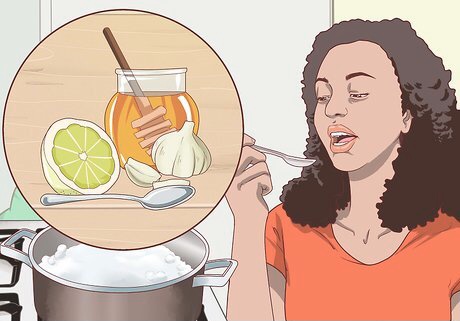
Coughing is a common reaction of the respiratory system that tries to eliminate harmful microbes, dust, or irritating substances from the body. It is a natural reflex that protects the lungs, but as you know, it can be extremely irritating and even painful.
It’s no wonder that coughing is one of the most common reasons people seek medical assistance. Often, people turn to natural remedies for cough that do not require medication or cough syrups without a prescription.
Most cough syrups and medications on the market provide little relief but do not address the underlying cause of the problem. Using cough remedies that actually tackle the root cause of the symptom is essential.
7 Best Home Remedies for Cough
1. Immune-Boosting Foods
When you can’t shake off a cough, there are several foods that can help thin mucus, soothe the throat, reduce inflammation, and strengthen the immune system. Here’s a brief overview of foods that serve as home remedies for cough:
Water: Start by drinking more water throughout the day—about 1-2 glasses every 2 hours. This will help thin the mucus that accumulates in the airways and causes coughing.
Raw Garlic: Allicin, a compound found in garlic, is known for its ability to kill microorganisms responsible for respiratory infections that can lead to coughing. Raw garlic has antimicrobial, antiviral, and antifungal properties, so adding it to your diet as a natural cough remedy can be beneficial in helping you eliminate the infection.
Ginger Tea: Drinking ginger tea when you cough can help strengthen the immune system and combat the infection causing the symptom. The benefits of ginger root come from its powerful antibacterial, antiviral, and antifungal properties, making it a good choice when facing respiratory tract infections.
Probiotic Foods: A possible side effect of a lack of probiotics is frequent colds and coughs, as probiotics are responsible for supporting the immune system. To combat your cough, try to eat probiotic foods such as fermented vegetables like sauerkraut and pickles, coconut kefir, apple cider vinegar, miso, etc.
In an effort to reduce inflammation and mucus production, avoid consuming sugary drinks, fruit juices, sweet foods, chocolate, and processed foods. Instead of drinking juice or sugary drinks, choose whole fruits and vegetables, which are much richer in vitamin C and will help strengthen immune function.
2. Vitamin C
Vitamin C can be used as a home remedy for cough because it supports the immune system and strengthens white blood cells. Research conducted in Norway indicates that vitamin C, which serves as an important antioxidant, can help reduce coughing and wheezing in smokers who have a high level of oxidative stress.
A review published in Nutrients found that vitamin C can help alleviate or prevent infections caused by bacteria and viruses. It can shorten the duration of colds and can even be used as a natural remedy for pneumonia.
3. Zinc
Zinc is commonly used as an over-the-counter remedy for combating the symptoms of the common cold, including cough. According to research published in the Journal of American Pharmacists Association, zinc can reduce the duration and severity of cold symptoms when administered within 24 hours of their onset. Additionally, this scientific presentation of zinc’s efficacy suggested that it may exert an antiviral effect and interfere with the molecular process that causes mucus and bacteria to accumulate in the nasal passages.
4. Honey
Research shows that honey has antimicrobial effects and can be beneficial for treating cough and colds. Honey works to soothe irritation, reduce inflammation, and increase the release of cytokines. It also provides antioxidants that boost immunity.
You can use raw honey or manuka honey to alleviate conditions that cause coughing, such as viral and bacterial infections and allergies. Honey also helps improve sleep, so it can be useful when you have trouble resting due to coughing. Take 1-2 tablespoons of raw or manuka honey daily until symptoms disappear. You can also add honey to lemon, ginger, or herbal tea, but wait until it is warm enough to drink before adding the honey.
5. Essential Oils
Essential oils work as great remedies for cough because many of them contain antibacterial and antiviral compounds. Additionally, some oils can help loosen mucus, relax the muscles of the respiratory system, and allow more oxygen to reach the lungs. Some of the best essential oils for cough are eucalyptus, peppermint, and lemon.
Eucalyptus oil contains cineole, which has antiseptic properties. It also acts as an expectorant, helping to loosen mucus so it can be expelled more easily. If you cough so much that you can’t catch your breath, applying eucalyptus oil can help dilate blood vessels and allow more oxygen to enter the lungs, facilitating breathing.
To use eucalyptus oil for cough, diffuse 4-5 drops just before bedtime, or apply 2 drops locally on the chest and neck. You can also use eucalyptus and peppermint oil to make a completely natural rub that will help relieve your cough.
Peppermint oil has a cooling effect that can help clear nasal passages. It can also be used to soothe an irritated throat when you have a dry cough. You can diffuse 5 drops or apply 2-3 drops locally on the chest, temples, and neck. It is safe to use peppermint oil alone or you can mix it with a carrier oil in equal parts to cover a larger area of skin.
Lemon essential oil is excellent for promoting detoxification, helping to cleanse the body of toxins that make you cough. It also has anti-inflammatory and antiseptic properties, so it can be used to cleanse your home and fight infections. You can diffuse lemon oil, mix it with coconut oil and apply it locally on the throat, or use it to make your own homemade cough syrup, which is made with a combination of essential oils (such as thyme and mint) and honey.
6. Massage
When looking for home remedies without medications for cough, consider a massage. A systematic review and meta-analysis published in Evidence-Based Complementary and Alternative Medicine indicate that massage therapy has a significant positive effect on children suffering from cough due to asthma. Additionally, massage seems to significantly improve lung function, helping to open the airways and facilitate airflow in and out of the lungs.
Massage therapy benefits health because it involves the manual manipulation of soft tissue and muscle tissue. This helps improve lymphatic function and boost immunity.
7. Steam Inhalation
It has been shown that inhaling humidified air, whether cold or warm, works as a clean remedy for cough, as it helps improve drainage of congested airways. This can be especially useful for children who cough throughout the night and need relief to sleep.
Precautions
If you suffer from a chronic cough that has lasted for 8 weeks or more, it’s time to consult a doctor about a possible underlying condition. These home remedies for cough are effective in combating infections that commonly cause cough and in reducing the duration and intensity of coughing, but they will not treat cough caused by a condition such as lung disease, lung cancer, or heart disease.