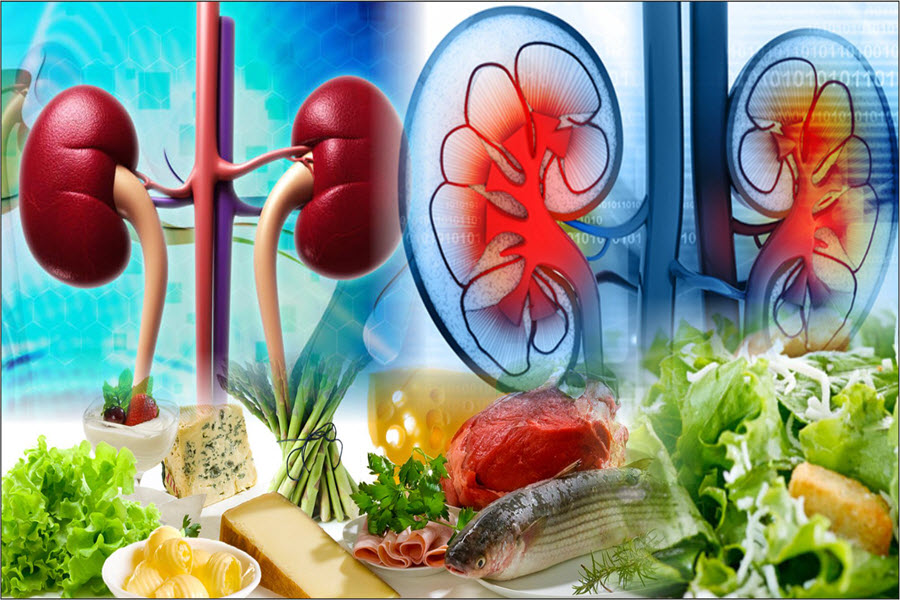
The kidneys play a crucial role in the body as they are responsible for eliminating toxins and excess fluids. They also control blood pressure and stimulate the production of RBCs. Therefore, incorporating kidney-friendly foods into your diet is very important.
Top Foods for Healthy Kidneys
1. Water
Calories 0
Protein 0 g
Fat 0 g
Carbohydrates 0 g
Water is a magic potion. It has the power to restore health. However, do not consume it excessively. The recommended amount of water to drink each day is 8 glasses for women and 13 for men. It is best to consult your doctor to understand how many glasses of water you should drink daily, depending on your kidney health and daily activity.
2. Cabbage
Calories 22
Protein 1 g
Fat 0 g
Carbohydrates 5 g
Cabbage is a leafy vegetable packed with phytochemicals. The antioxidants present in it help eliminate free radicals from the body, thus reducing the risk of cancer, cardiovascular diseases, and kidney dysfunction. Cabbage is a rich source of vitamins and minerals.
3. Red Bell Peppers
Calories 46.2
Protein 1 g
Fat 0 g
Carbohydrates 9 g
Red bell peppers are good for kidney health because they have a low potassium content. They also add color and flavor to dishes, along with vitamins C, B6, A, folic acid, and fiber. Red bell peppers contain the antioxidant lycopene, which offers protection against certain types of cancer. You can add red bell peppers to tuna, chicken salad, or simply enjoy them raw.
4. Onions
Calories 64
Protein 2 g
Fat 0 g
Carbohydrates 15 g
Onions help keep your kidneys functioning. They contain flavonoids and quercetin, which prevent the deposition of fatty material in blood vessels. Quercetin is an antioxidant that can reduce the risk of heart disease and cancer. Onions are kidney-friendly and have a low potassium content. They also contain chromium, which helps metabolize fats, proteins, and carbohydrates.
5. Asparagus
Calories 27
Protein 3 g
Fat 0 g
Carbohydrates 5 g
Asparagus is low in calories and packed with vitamins A, K, and C. In hypertensive patients, asparagus has stimulated kidney function. However, it is slightly higher in minerals such as potassium, calcium, and phosphorus. Therefore, you should discuss with your doctor before regularly consuming asparagus. You can grill it or boil it with other kidney-friendly foods for dinner or lunch.
6. Garlic
Calories 203
Protein 9 g
Fat 1 g
Carbohydrates 45 g
Like onions, garlic has a strong odor. However, it is one of the most potent herbal remedies. Additionally, it enhances the flavor of the foods to which it is added. Researchers have found significant evidence that garlic juice, along with metformin (a medication prescribed to patients with type 2 diabetes), has renoprotective effects.
7. Cauliflower
Calories 25
Protein 2 g
Fat 0 g
Carbohydrates 5 g
Cauliflower is a kidney-friendly superfood and a rich source of vitamin C, folic acid, and fiber. It also contains important compounds for the liver and neutralizes toxic substances in the body. Cauliflower can be consumed boiled, steamed, raw, mashed, or in salads.
8. Apples
Calories 65
Protein 0 g
Fat 0 g
Carbohydrates 17 g
Apples are a rich source of vitamins, minerals, and fiber. They have anti-inflammatory and antioxidant properties that help reduce bad cholesterol, heart diseases, cancer, and diabetes. Since diabetes is closely linked to kidney failure, consuming apples can help protect you from kidney problems. Apples can be eaten raw or baked. You can also make a delicious juice.
9. Cranberries
Calories 51
Protein 0 g
Fat 0 g
Carbohydrates 13 g
Cranberry juice is a popular home remedy for urinary tract infections (UTIs). Due to its antioxidant properties, it is a great natural antibiotic that prevents any increase in bacteria in the digestive tract or kidneys. A research study showed that cranberries have the potential to treat calcium oxalate kidney stones. Consume them fresh or use them to make juice. However, do not drink too much to prevent overloading the kidneys.
10. Fatty Fish
Calories 175
Protein 19 g
Fat 10 g
Carbohydrates 0 g
Fatty fish are a high-quality source of protein and polyunsaturated fatty acids (PUFAs). Among the components of PUFAs are omega-3 fatty acids, which are beneficial for reducing inflammation, eliminating free radicals, preventing heart diseases, lowering LDL cholesterol, and protecting the kidneys. Scientists have found that consuming PUFA from fatty fish can slow the progression of kidney disease.
11. Pumpkin Seeds
Calories 285
Protein 12 g
Fat 12 g
Carbohydrates 34 g
Pumpkin seeds are rich in dietary fiber, vitamin E, zinc, protein, copper, and iron, and they have been scientifically proven to reduce the risk of bladder stones. However, since seeds are high in phosphorus and could increase potassium levels in the body, consult your doctor before consuming them if you have kidney issues.
12. Lemon Juice
Calories 61
Protein 1 g
Fat 0 g
Carbohydrates 21 g
Lemon juice has the potential to help treat kidney problems. The vitamin C and citric acid in it help maintain internal pH, promoting better health and stronger immunity. Drink lemon juice in the morning or before lunch. Make sure to dilute it in a glass of water and do not add refined sugar.
13. Blueberries
Calories 84
Protein 1 g
Fat 0 g
Carbohydrates 21 g
Blueberries are packed with antioxidants that help cleanse the body of toxins. They are rich in nutrients that can help reduce inflammation. Researchers have found that blueberries may help inhibit signaling pathways that lead to kidney failure in animals with metabolic syndrome. Therefore, include them in your breakfast to lose weight and protect your kidneys.
14. Cherries
Calories 49
Protein 1 g
Fat 0 g
Carbohydrates 12 g
Cherries are a rich source of antioxidants and phytochemicals that help protect your heart and kidneys. Daily consumption helps reduce inflammation in the body, especially in the kidneys.
15. Red Grapes
Calories 104
Protein 1.1 g
Fat 0.2 g
Carbohydrates 27 g
Red grapes are rich in a natural polyphenolic compound known as resveratrol, which offers many health benefits, such as improving heart health and protecting the kidneys. Resveratrol helps alleviate kidney injuries, such as drug-induced injuries, diabetic nephropathy, etc. Therefore, consume red grapes in adequate amounts to boost your kidney health.
16. Kale
Calories 33
Protein 2.9 g
Fat 0.6 g
Carbohydrates 6 g
Kale is a nutrient-rich source that regulates blood sugar levels. Since diabetes is closely linked to kidney failure, consuming kale can help manage both diabetes and diabetic nephropathy. However, you should discuss with your doctor before consuming kale, especially if you already suffer from kidney diseases.
17. Watermelon
Calories 46
Protein 0.9 g
Fat 0.2 g
Carbohydrates 11 g
Watermelon is packed with a powerful antioxidant – lycopene. It helps eliminate harmful free radicals, thus preventing kidney damage. However, do not consume watermelon in large quantities, as this can have the opposite effect. Consult your doctor before consuming it if you have any kidney conditions.
Foods to Avoid
- Nuts and seeds
- Peanut butter
- Lentils
- Dried beans
- Bananas
- Spinach
- Red meat
- Foods high in sodium
- Dairy products
- Artificial sweeteners
- Caffeine
- Carbonated drinks
- Honey
- Breakfast cereals
- Wild and brown rice
- Whole grain bread and pasta
- Oranges
- Potatoes
- Alcohol




