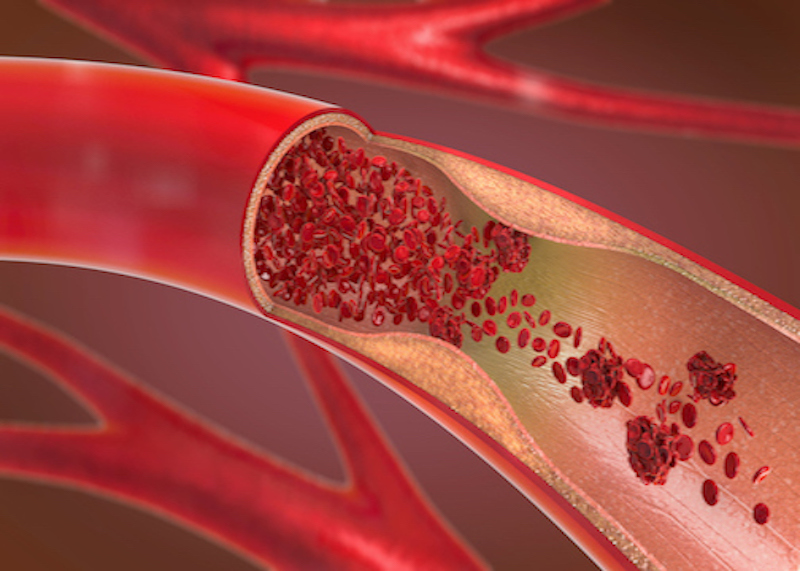
Venous thrombosis begins with the formation of a blood clot in a deep vein of the body, usually in the lower limbs or pelvis. The blood clot can travel through the veins, blocking blood flow to the lungs, a condition known as pulmonary embolism.
Warning signs of deep vein thrombosis in the leg may include pain, tenderness, swelling, warmth, and redness.
Treatment for venous thrombosis includes several methods with therapeutic effects. Compression stockings prevent the formation of clots (blood clots) in the legs, supporting peripheral circulation. Walking and other effective exercises are recommended, including calf raises, foot movements, etc. Proper nutrition is also important.
The Best Foods That Thin the Blood
There are certain foods believed to have blood-thinning properties. Here are a few examples:
Ginger
Ginger contains substances that help prevent blood clotting. A 2018 study showed that ginger reduces LDL (bad cholesterol) levels in the body.
Garlic
Garlic has natural blood-thinning properties that can help prevent blood clots. It has a strong cardioprotective effect and improves blood circulation. Due to its hydrogen sulfide content, it relaxes blood vessels and enhances blood flow.
Turmeric
Turmeric contains a compound called curcumin, which has anti-inflammatory properties and can help prevent blood clotting.
Omega-3 Fatty Acids
Foods rich in omega-3 fatty acids, such as fatty fish, flaxseeds, and chia seeds, can help thin the blood by reducing inflammation.
Vitamin E
Vitamin E can help prevent blood clots by reducing the risk of thrombosis.
It is important to note that while these foods may have blood-thinning properties, they should not be used as a substitute for medical treatment or medications prescribed by a doctor.
If you are taking blood-thinning medications or have a condition that affects blood clotting, make sure to discuss any dietary changes with your doctor.
Foods that are harmful to cardiovascular health can increase the risk of developing blood clots. Therefore, avoid trans fats, saturated fats, fatty meats, and all types of sugar.