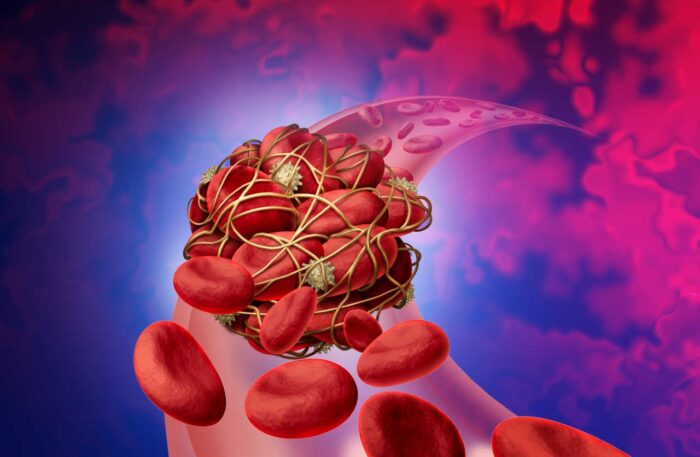
Preventing the formation of blood clots is essential for maintaining good circulation and reducing the risk of serious cardiovascular conditions, such as heart attacks or strokes. Diet plays a key role in this equation, and certain fruits contain active compounds that significantly contribute to blood thinning.
Here is a list of the best fruits in this regard, accompanied by scientific explanations, nutritional composition, and mechanisms of action:
1. Pomegranate
Nutritional composition: rich in polyphenols, vitamin C, vitamin K, fiber, and potassium.
Mechanism of action: The polyphenols in pomegranate, especially punicalagins, reduce vascular inflammation and inhibit platelet aggregation, a central process in clot formation.
Study: A study published in Thrombosis Research (2014) showed that pomegranate extract significantly reduces platelet activity and oxidative stress in patients with cardiovascular risk.
Dr. Michael Greger, a nutritionist, states that pomegranate has the ability to reduce arterial stiffness and inhibit clot formation through its powerful antioxidant action.
2. Blueberries
Nutritional composition: anthocyanins, vitamin C, vitamin K, fiber, and manganese.
Mechanism of action: Anthocyanins prevent the oxidation of LDL cholesterol and reduce inflammation, thus preventing clot formation.
Study: Journal of Nutrition (2015) published a study showing that daily consumption of blueberries improves endothelial function and reduces markers of systemic inflammation.
Dr. Eric Rimm, a professor at Harvard, claims that blueberries are among the most effective fruits for cardiovascular health due to their effect on blood vessels.
3. Oranges
Nutritional composition: vitamin C, flavonoids (hesperidin, naringenin), soluble fiber.
Mechanism of action: The flavonoids in oranges reduce blood coagulation and support circulation.
Study: According to an article in American Journal of Clinical Nutrition (2006), citrus flavonoids have an anti-aggregating effect on platelets and improve vascular elasticity.
Dr. Suzanne Steinbaum, a cardiologist, emphasizes that regular consumption of oranges can reduce the risk of clot formation and improve capillary health.
4. Grapes (especially black ones)
Nutritional composition: resveratrol, quercetin, vitamin C, flavonoids.
Mechanism of action: Resveratrol inhibits platelet aggregation and reduces the risk of thrombosis.
Study: Research published in Journal of Cardiovascular Pharmacology showed that resveratrol significantly reduces platelet activity and has anticoagulant effects.
Dr. David Sinclair from Harvard believes that the resveratrol in grapes is a key compound for preventing cardiovascular diseases and clots.
5. Cherries
Nutritional composition: anthocyanins, melatonin, vitamin C, potassium.
Mechanism of action: Anthocyanins reduce inflammation and oxidative stress, two major causes of clot formation.
Study: Journal of Medicinal Food (2010) showed that cherry extract significantly reduces levels of C-reactive protein (an inflammatory marker), contributing to the prevention of thrombosis.
Dr. Sarah Brewer, a nutritionist and medical writer, states that cherries have a complex action on blood vessels and can reduce the risk of excessive coagulation.
Other Useful Recommendations:
- Consume fruits raw or in the form of unsweetened juices to preserve the integrity of active compounds.
- Avoid pairing them with refined sugar as sugar can counteract the beneficial effects on circulation.
- Include these fruits regularly, ideally daily, in a balanced lifestyle.
Fruits are not just sources of vitamins; they can become powerful allies in preventing severe cardiovascular conditions. Through their active antioxidant compounds, flavonoids, and vitamins, they contribute to the proper functioning of the circulatory system and reduce the risk of blood clot formation.




