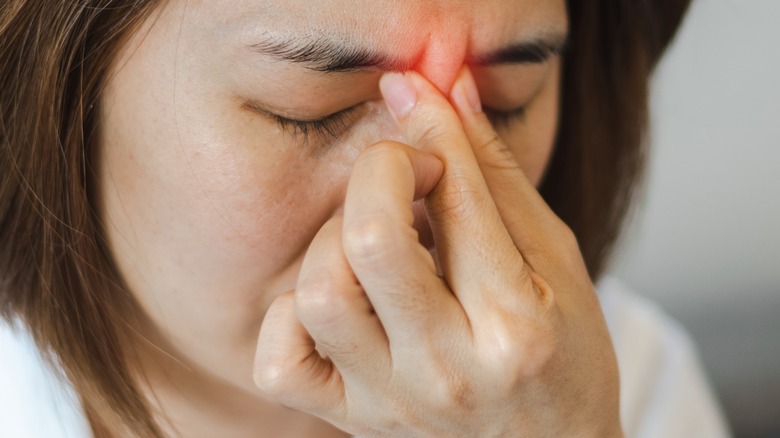
Acute sinusitis is generally treated under medical supervision, and bacterial infections require the administration of antibiotics. For less severe cases or chronic ones triggered by allergies, many people turn to natural solutions that can alleviate symptoms and help clear excess mucus from the sinuses. Here are some natural remedies for sinusitis you can try!
Sinusitis is a condition characterized by the inflammation or infection of the sinuses. The sinuses are air-filled cavities located in the facial bones around the eyes, nose, and cheeks. These cavities help to humidify the inhaled air, purify it, and produce mucus, which helps to clear the nose of foreign particles and expel them. However, when the sinuses become inflamed or infected, sinusitis occurs.
Types of Sinusitis
Sinusitis can be classified into several types, depending on duration and cause:
Acute sinusitis is an inflammation or infection of the sinuses that lasts less than 4 weeks. It can be caused by a viral or bacterial infection, such as the common cold or flu.
Subacute sinusitis lasts between 4 and 12 weeks and can be caused by a persistent infection or chronic inflammation.
Chronic sinusitis is a condition in which sinusitis symptoms persist for 12 weeks or more. This can be caused by repeated sinus infections or factors such as nasal polyps, deviated septum, or other anatomical issues.
The treatment for sinusitis depends on its type and cause. Viral acute sinusitis is often treated with rest, hydration, and medications to relieve symptoms, such as antihistamines or decongestants. Bacterial sinusitis requires antibiotics. In the case of chronic sinusitis, treatment may involve medication therapy, physical therapy, or, in some cases, surgical interventions to correct anatomical problems contributing to the condition. In certain situations, natural remedies for sinusitis can also be used to alleviate symptoms.
What Natural Remedies for Sinusitis Can Be Helpful?
Eucalyptus or Peppermint Oil
Eucalyptus and peppermint oils are especially used for nasal decongestion. Their strong aroma helps to reduce mucus production and speeds up its elimination. The oils can be applied at the base of the nostrils or massaged onto the painful area where the sinuses are inflamed.
Peppermint Tea
Peppermint tea will warm the respiratory tract, and the steam will help to thin the mucus. Additionally, peppermint tea is an excellent way to hydrate the body. Boil 250 ml of water, and when it boils, turn off the heat and place a peppermint tea bag in the pot. Let it steep for 5 minutes, then pour the tea into a cup and drink it hot or as warm as you can tolerate.
Garlic
Garlic is a good antioxidant and enhances the body’s defense capacity, contributing to better immune system functioning. When you have sinusitis, add fresh garlic to as many dishes as you consume: over a bowl of soup, a stew, or a roast.
Inhalations with Chamomile or Salt
Inhalations with chamomile or salt are also on the list of natural remedies for sinusitis, as warm air has beneficial effects regarding nasal congestion. Boil a small pot of water with 3-4 tablespoons of chamomile tea or salt. Lean over the water, cover your head with a towel, and inhale the steam for about 5 minutes.
Warm Salt Compress
This remedy also relies on the effects of heat. Prepare a small pouch from a cloth or a piece of material filled with salt. Heat the pouch in the oven until it reaches a bearable temperature on the skin and place it on the painful area for about an hour.
Hot Pepper
Hot pepper is a good nasal decongestant. You can consume it like garlic or use it externally by turning it into a paste and applying it in a compress on the painful area. However, be careful around the eye area to avoid irritation.
Horseradish
Horseradish has a strong aroma, is rich in vitamin C, and supports the immune system’s functioning. When treating sinusitis, include a little grated horseradish in your diet.
What to Eat When You Have Sinusitis?
Diet also matters when it comes to natural remedies for sinusitis. When suffering from sinusitis, it is helpful to follow a diet that helps calm symptoms and facilitates recovery. Here’s what is good to eat during treatment:
Foods Rich in Vitamin C
Vitamin C can help strengthen the immune system and reduce inflammation. Citrus fruits, such as oranges, grapefruits, and lemons, are good sources of vitamin C, along with kiwi, strawberries, bell peppers, and parsley.
Foods Rich in Antioxidants
Foods rich in antioxidants can help combat inflammation and speed up recovery. Include fresh fruits and vegetables in your diet, such as cherries, blackberries, blueberries, spinach, and broccoli.
Chicken Soup
Chicken soup contains substances that can help open nasal passages and relieve congestion. Additionally, fluid intake helps properly hydrate the body, so other warm soups will also be beneficial.
Garlic and Onion
These ingredients contain compounds that have antimicrobial properties and can help fight respiratory infections.
Spicy Foods
Spicy foods, such as hot peppers, can help open nasal passages and alleviate congestion symptoms. However, if you do not tolerate spicy foods well, avoid them.
Warm Teas
Warm teas, such as chamomile tea, elderflower tea, or peppermint tea, can help relieve nasal congestion and reduce inflammation.
Water
Make sure to drink enough water to maintain proper hydration. Hydration is important for thinning mucus and reducing congestion.
What Not to Eat When You Have Sinusitis?
Having discussed what foods can be useful as natural remedies for sinusitis, it is good to know that there are certain foods and drinks you should avoid, as they tend to aggravate symptoms and irritate the sinuses. Here’s what you should not eat or drink when you have sinusitis:
Fatty Dairy Products
Foods and drinks high in fat, such as fatty cheese, whole milk, or cream, increase mucus production and can worsen nasal congestion.
Alcohol
Alcohol dehydrates the body and can contribute to sinus inflammation. It can also negatively interact with certain medications you may be taking to treat sinusitis.
Caffeine
Caffeine also contributes to dehydration, which can make sinusitis symptoms more severe. Additionally, caffeine can affect sleep, which is very important for recovery.
Excess Sugar
Excessive sugar consumption weakens the immune system and promotes bacterial growth, which could worsen respiratory infections.
Ultra-Processed Foods and Fast Food
Ultra-processed foods, high in trans and saturated fats, sugar, and salt, such as chips, fried potatoes with burgers, donuts, melted cheese, etc., are not beneficial for the immune system and can worsen inflammation.
What Treatment Can a Doctor Prescribe for Sinusitis?
The treatment for sinusitis depends on the type of sinusitis, the underlying cause, and the severity of symptoms. The doctor may recommend the following treatment options:
This includes nasal decongestants, which help open nasal passages and reduce congestion. They should not be used long-term, as they can lead to rebound effects (symptoms returning more severely after stopping treatment). If sinusitis is triggered by allergies, the doctor may prescribe antihistamines to reduce allergic reactions.
Pain relievers or non-steroidal anti-inflammatory drugs (NSAIDs) help reduce pain, inflammation, and fever associated with sinusitis. If the illness is caused by a bacterial infection, the doctor will prescribe antibiotics. It is important to strictly follow dosage and duration instructions and to complete the entire course of treatment, even if symptoms seem to disappear before finishing it.
For chronic sinusitis or subacute sinusitis resistant to other treatments, the doctor may recommend intranasal corticosteroids. These medications reduce inflammation in the sinuses and calm the symptoms of the disease.
In rare cases, when sinusitis does not respond to medical treatments or when there are severe complications, surgical intervention may be necessary. This may involve draining the sinuses or correcting anatomical problems, such as a deviated septum or nasal polyps.
If you have symptoms, it is important to see a doctor before starting any treatment and to carefully follow instructions to achieve the best results. These include pain or pressure around the eyes, nose, or cheeks, nasal congestion and thick nasal secretions, headaches, cough, especially at night, loss of smell or taste, and fever (in the case of bacterial sinusitis).
Untreated or improperly treated sinusitis can lead to serious complications, so it is necessary to obtain appropriate medical help. Infection from the sinuses can spread to other parts of the head or body, leading to vision impairment or even blindness, meningitis, encephalitis, or osteomyelitis (bone infection) – rare complications, but which can be very serious.




