Hemorrhoids are a common and often uncomfortable condition that affects many people worldwide. Although there are various treatments available, many turn to natural solutions, such as medicinal plants, to manage symptoms and improve their overall health. The use of medicinal plants in the treatment of hemorrhoids can offer significant benefits, given their anti-inflammatory, pain-relieving, and blood circulation-enhancing properties.
Discover which plants are effective for treating hemorrhoids, the correct way to use them, and the precautions you should consider. It is important to understand that while medicinal plants can be effective and provide relief, it is always advisable to consult a healthcare professional before starting any alternative treatment.
What are hemorrhoids?
Hemorrhoids are a type of anal protrusion that occurs due to inflammation of the veins around the anus or inside the rectal canal. The word hemorrhoids comes from the ancient Greek words haema and rhoos, which mean blood flow.
Hemorrhoids are the most common cause of lower gastrointestinal bleeding. They include internal and external hemorrhoids. Internal hemorrhoids are located inside the rectum, so they cannot be seen and are usually not painful. If an external hemorrhoid is located in the anus, an area traversed by many pain-sensitive nerves, it is painful and tends to bleed. Symptoms of hemorrhoids include bleeding, bulging, pain, and itching.
What causes hemorrhoids?
Hemorrhoids can be caused by several factors, and understanding them is important for preventing and managing this condition. Various factors responsible for hemorrhoids include constipation, aging, a sedentary lifestyle, obesity, pregnancy, a low-fiber diet, chronic constipation, straining during bowel movements, and so on. Although hemorrhoids are not fatal, the physical and psychological discomfort associated with the symptoms can severely affect the quality of life of a person with this condition.
Suppositories contain hyaluronic acid, which has the property of binding water molecules, forming a matrix of viscoelastic membranes on the surface of the rectal mucosa.
Some of the main causes include:
Excessive pressure in the rectal area: one of the most common causes of hemorrhoids is increased pressure on the veins in the rectal and anal area. This pressure can result from excessive straining during bowel movements, constipation, or pregnancy.
Constipation: the lack of fiber in the diet, dehydration, and a sedentary lifestyle can lead to constipation, which can worsen hemorrhoids or contribute to their development.
Diet: excessive consumption of processed foods, high in fats and salts, as well as a lack of fiber, can affect intestinal transit and increase the risk of constipation and, consequently, hemorrhoids.
Pregnancy: hemorrhoids are common during pregnancy due to the increased pressure exerted by the uterus on the pelvic veins and hormonal changes that can affect muscle tone and blood circulation.
Genetic factors: there is some evidence suggesting that genetic predisposition may play a role in the development of hemorrhoids.
Sedentary lifestyle: the lack of physical exercise and prolonged sitting or standing can contribute to blood stagnation in the pelvic area, thus leading to the development of hemorrhoids.
Understanding and avoiding these factors can help prevent or manage hemorrhoids. Adopting a healthy lifestyle, which includes a balanced diet, adequate hydration, regular exercise, and avoiding excessive straining during bowel movements, are important steps in this direction.
What are the treatment options for hemorrhoids?
There are several treatment options available for managing hemorrhoids, and the selection of the appropriate option may depend on the severity and specific symptoms of each individual.
Lifestyle changes
Often, the first recommendations include lifestyle changes, such as increasing fiber intake in the diet, adequate water consumption to prevent constipation, avoiding excessive straining during bowel movements, and maintaining a regular exercise program.
There are several medicinal plants and natural remedies that can provide relief and support in managing hemorrhoids.
Aloe vera
Aloe vera is a succulent plant with fleshy leaves, known for its rich gel content. Aloe vera gel contains numerous active compounds, including enzymes, vitamins, minerals, and nutrients, which give it various therapeutic properties. In the case of hemorrhoids, aloe vera gel is recognized for its ability to reduce inflammation and soothe irritation and itching. When applied directly to the affected area, aloe vera gel can provide quick relief and help heal wounds.
Horse chestnut
Horse chestnut is a tree native to Europe and Asia, and its extract is traditionally used in folk medicine to treat venous conditions, including hemorrhoids. The main active components of horse chestnut are escin and esculin, which have anti-inflammatory and venotonic properties, meaning they strengthen the walls of veins and improve blood circulation. Administered as an ointment or oral supplement, horse chestnut extract can help reduce swelling and discomfort associated with hemorrhoids.
Yarrow
Yarrow is a flowering plant that grows wild in Europe and Asia, known for its astringent and anti-inflammatory properties. The main active substances in yarrow include tannins and flavonoids, which contribute to reducing bleeding and inflammation of hemorrhoids. In the form of tea or local compresses, yarrow can help soothe burning sensations and heal affected tissues.
Devil’s claw
This plant has anti-inflammatory and analgesic effects, which can be useful in reducing discomfort and pain associated with hemorrhoids. It can be found in the form of ointment or gel for local application.
Chamomile
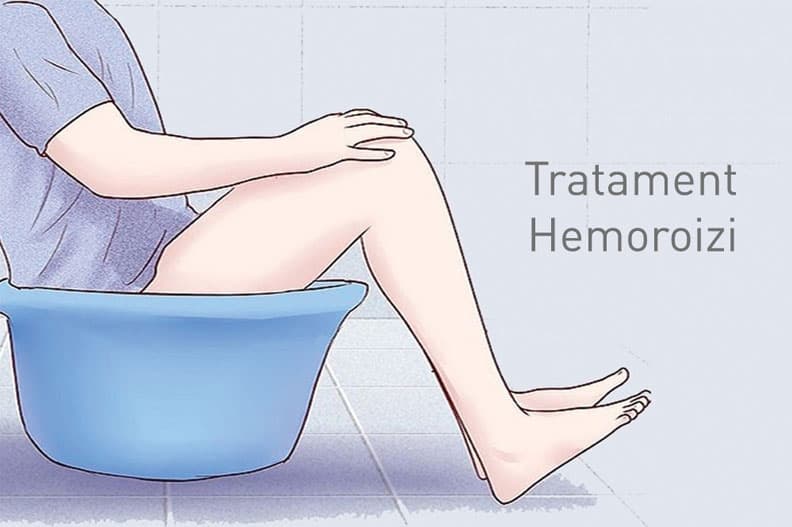
Chamomile has anti-inflammatory and soothing properties, being effective in reducing itching and inflammation of hemorrhoids. Chamomile infusion can be used for sitz baths or local compresses.
Lemon balm
Lemon balm is an aromatic plant with yellow or white flowers, known for its anti-inflammatory, antispasmodic, and sedative properties. The main active substances in lemon balm are volatile oils and flavonoids, which have beneficial effects on the nervous system and digestive tract. In the form of tea or tincture, lemon balm can help reduce inflammation and muscle spasms associated with hemorrhoids, as well as calm anxiety and stress that may exacerbate symptoms.
It is important to consult a doctor or a specialist in alternative medicine before starting any treatment with medicinal plants or natural remedies to ensure that you choose the right options and to avoid any unwanted interactions with other medications or existing conditions.




