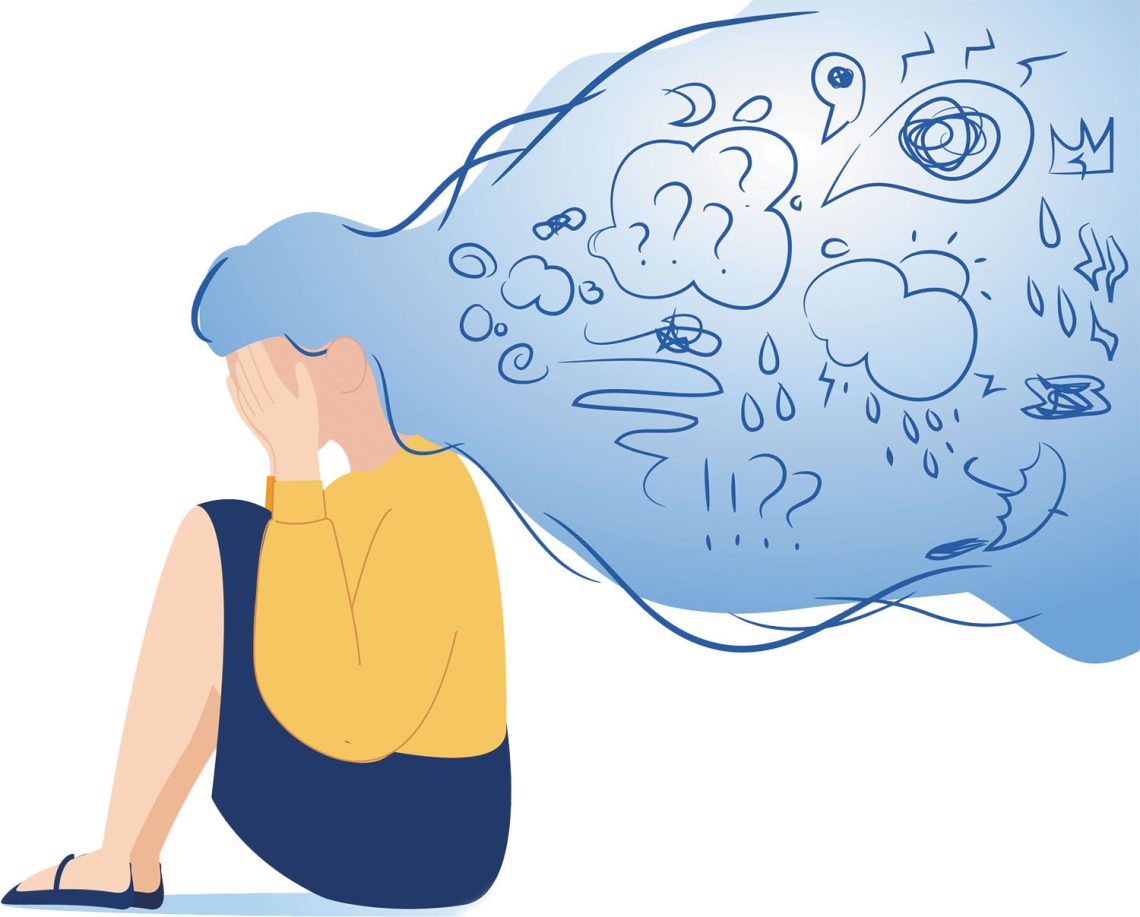
Anxiety is an increasingly common problem in modern society, due to a combination of factors. High stress, social pressure, lack of sleep, a hectic lifestyle, and excessive exposure to negative stimuli are just a few of the causes contributing to the spread of anxiety today.
Symptoms of anxiety can vary from person to person, but may include feelings of unease, excessive fear, palpitations, muscle tension, irritability, difficulty concentrating, and sleep problems. Anxiety can profoundly affect a person’s life, interfering with interpersonal relationships, work performance, and overall well-being.
1. Lavender:
Benefits:
Lavender contains aromatic compounds that act as calming and relaxing agents on the nervous system. Lavender oil has proven effects in reducing stress and anxiety, due to its ability to modulate neurotransmitter levels in the brain, such as serotonin and GABA. Aromatherapy with lavender can also lower blood pressure and heart rate, inducing a state of calm and relaxation.
How to prepare/consume:
You can use lavender oil in aromatherapy by adding a few drops to a diffuser or bath water. Additionally, lavender tea can be made from dried lavender flowers, steeping them in hot water for 5-10 minutes before drinking.
2. Valerian:
Benefits:
Valerian contains active compounds such as valeric acid, which interact with GABA receptors in the brain, having sedative and anxiolytic effects. Consuming valerian can reduce the time it takes to fall asleep and improve sleep quality. Additionally, valerian can alleviate anxiety symptoms by decreasing neuronal excitability and reactivity of the central nervous system.
How to prepare/consume:
Valerian tea is made using dried valerian root, steeping it in hot water for 10-15 minutes. Alternatively, you can take valerian supplements according to the instructions on the packaging.
3. Passionflower:
Benefits:
Passionflower contains compounds such as flavonoids and alkaloids, which have sedative and anxiolytic effects. Consuming passionflower can lower cortisol levels (the stress hormone) in the body and improve sleep quality. Additionally, this plant can reduce the physical symptoms of anxiety, such as muscle tension and palpitations.
How to prepare/consume:
Passionflower tea is made from the dried leaves of the plant, steeping them in hot water for 10-15 minutes. You can drink passionflower tea before bedtime or during the day to reduce stress and anxiety.
4. Ginseng Root:
Benefits:
Ginseng is known for its adaptogenic properties, which help the body cope with stress and regulate hormone levels. Consuming ginseng can improve mood, increase energy levels, and reduce fatigue. Additionally, ginseng can enhance cognitive function and improve concentration and mental clarity.
How to prepare/consume:
Ginseng root tea is made by boiling the dried root in water for 15-20 minutes. Alternatively, you can take ginseng supplements according to the instructions on the packaging.
5. Black Cumin:
Benefits:
Black cumin seeds contain compounds such as thymoquinone and carvone, which have anti-inflammatory and anxiolytic effects. Consuming black cumin can lower cortisol levels in the body, thereby reducing symptoms of stress and anxiety. Additionally, black cumin can improve digestion and support the immune system.
How to prepare/consume:
Black cumin seeds can be consumed raw, added to dishes or salads. You can also take black cumin oil in supplement form according to the instructions on the packaging.
6. Ginkgo Biloba:
Benefits:
Ginkgo biloba contains flavonoids and terpenoids, compounds that have antioxidant and neuroprotective effects. Consuming ginkgo biloba can improve blood circulation to the brain, thereby reducing symptoms of anxiety and depression. Additionally, it can enhance memory and cognitive function.
How to prepare/consume:
You can take ginkgo biloba extract in supplement form according to the instructions on the packaging. It is recommended to consult a specialist before starting a ginkgo biloba supplementation regimen.
7. Oregano:
Benefits:
Oregano contains compounds such as carvacrol and thymol, which have calming and anti-inflammatory effects. Consuming oregano can reduce anxiety and stress, contributing to muscle relaxation and inducing a state of calm. Additionally, oregano can improve digestion and help reduce symptoms of indigestion.
How to prepare/consume:
You can use oregano in culinary preparations, adding fresh or dried leaves to dishes or salads. You can also prepare oregano tea from dried leaves, steeping them in hot water for 5-10 minutes.
8. Wormwood:
Benefits:
Wormwood contains compounds such as flavonoids and triterpenoids, which have sedative and anxiolytic effects. Consuming wormwood can reduce symptoms of anxiety and depression, improving mood and promoting relaxation. Additionally, wormwood can enhance sleep quality and help manage stress.
How to prepare/consume:
You can prepare wormwood tea from the dried leaves of the plant, steeping them in hot water for 10-15 minutes. Wormwood tea can be consumed 2-3 times a day to reduce anxiety and stress.
9. Rhodiola Rosea (Golden Root):
Benefits:
Rhodiola rosea is known for its adaptogenic properties, which help the body cope with stress and adapt to environmental changes. Consuming this plant can reduce fatigue and exhaustion, improving energy and vitality levels. Additionally, rhodiola rosea can enhance mood, stabilize emotional states, and reduce symptoms of anxiety and depression.
How to prepare/consume:
You can take rhodiola rosea extract in supplement form according to the instructions on the packaging. It is recommended to consult a specialist before starting a rhodiola rosea supplementation regimen.
10. Tulsi:
Benefits:
Tulsi, also known as holy basil, contains compounds such as eugenol and luteolin, which have anti-stress and anxiolytic effects. Consuming tulsi can lower cortisol levels in the body, thereby improving the ability to adapt to stress and promoting a state of calm and relaxation. Additionally, tulsi can enhance immune function and reduce inflammation.
How to prepare/consume:
You can prepare tulsi tea from fresh or dried leaves of the plant, steeping them in hot water for 5-10 minutes. Tulsi tea can be consumed 2-3 times a day to reduce stress and anxiety.
11. St. John’s Wort (Hypericum perforatum):
Benefits:
St. John’s Wort is known for its antidepressant and anxiolytic properties, due to active compounds such as hypericin and hyperforin. Consuming St. John’s Wort can increase serotonin levels in the brain, thereby alleviating symptoms of depression and anxiety. Additionally, St. John’s Wort has anti-inflammatory and antioxidant effects, contributing to the protection of nerve cells and improving overall mental health.
How to prepare/consume:
St. John’s Wort tea is made from the dried aerial parts of the plant, steeping them in hot water for 10-15 minutes. You can drink St. John’s Wort tea 2-3 times a day to reduce symptoms of anxiety and depression. Additionally, there are St. John’s Wort supplements available in various forms, such as capsules or liquid extracts, which can be taken according to the instructions on the packaging.
Other tips and ideas for combating anxiety:
Regular physical exercise, such as walking or yoga, can reduce levels of anxiety and stress.
Deep breathing techniques and meditation can calm the mind and body.
Adopting a balanced and healthy diet, rich in vegetables, fruits, and omega-3-rich foods, can improve mood and reduce anxiety.
Avoiding excessive consumption of caffeine and alcohol, which can exacerbate anxiety symptoms.
Ensuring adequate and restful sleep can help maintain emotional balance.
Practicing cognitive-behavioral therapy (CBT) techniques can help manage anxious thoughts and behaviors.
Using essential oils, such as lavender or chamomile, in aromatherapy can have relaxing effects.
Socializing and spending time with loved ones can provide emotional support and positive perspectives.
Expressing creativity through painting, writing, or other artistic activities can be therapeutic and reduce anxiety levels.


Related Posts

The Benefits of Walnut Oil for Heart, Skin, Intestines, and More

How to Cleanse the Liver: Remedies Within Everyone’s Reach
