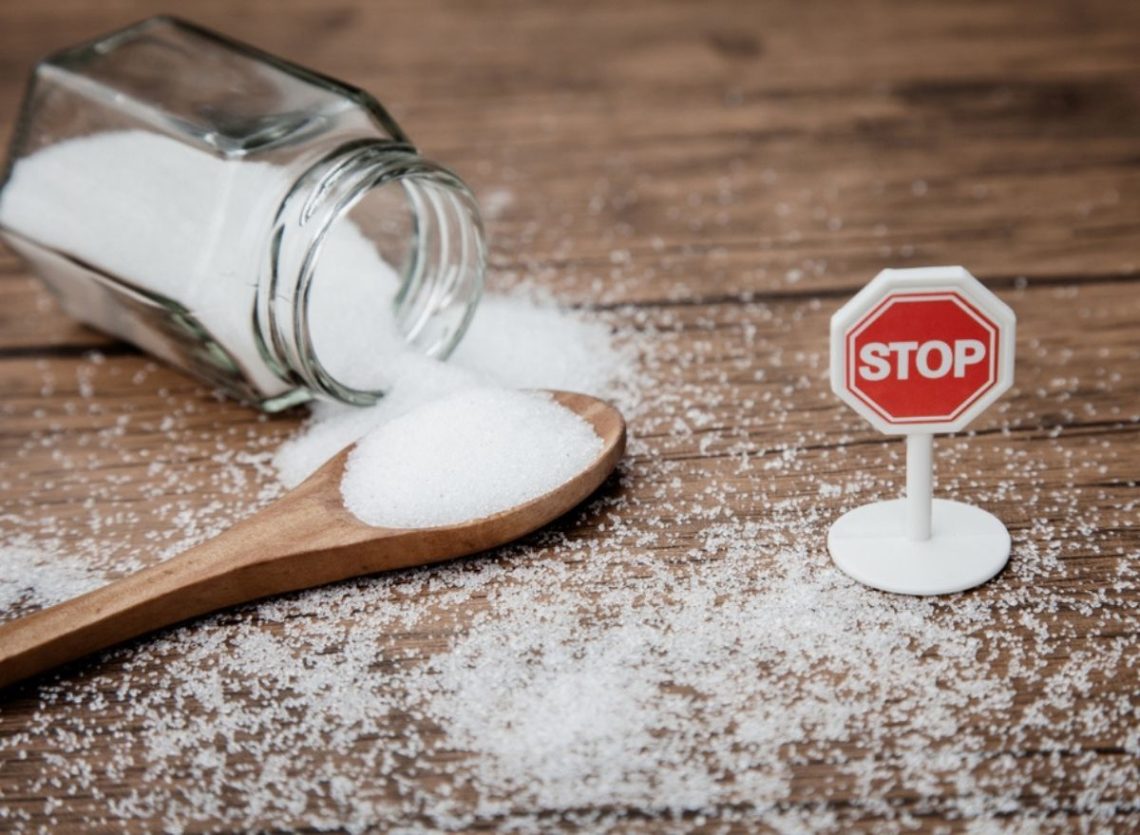
It is estimated that people generally consume 12 teaspoons of sugar each day and approximately 48 kilograms of added sugar each year. Not only do most people eat and drink too much sugar, but the use of artificial sweeteners is also on the rise. Fortunately, there are substitutes that can help reduce sugar intake, as long as you choose the right ones.
Artificial sweeteners such as aspartame, sucralose, ace-K, and saccharin have been debated for years regarding their potentially harmful effects. While all of these sweeteners are technically safe and sugar-free, according to the Food and Drug Administration, they are subject to increased scrutiny.
The side effects associated with their consumption seem to vary from headaches and poor digestion to cravings and even mood disorders.
Refined sugars are not healthy either. According to the Cleveland Clinic, sugar is inflammatory, high in calories, and offers no nutritional benefits.
The side effects of excessive sugar consumption include diabetes, dental cavities, obesity, heart disease, certain types of cancer, and even impaired cognitive function.
So, what is a good natural sweetener and the best alternative to sugar? Fortunately, there are sugar substitutes that are healthy and tasty alternatives to refined sugar, high-fructose corn syrup, and artificial sweeteners.
The Healthiest Sugar Substitutes
How many calories do sugar substitutes have? Here is the caloric content of some of the most popular natural sweeteners:
Raw honey (1 tablespoon = 64 calories)
Stevia (0 calories)
Dates (1 date = 66 calories)
Coconut sugar (1 tablespoon = 45 calories)
Maple syrup (1 tablespoon = 52 calories)
Blackstrap molasses (1 tablespoon = 47 calories)
Banana puree (1 cup = 200 calories)
Brown rice syrup (1 tablespoon = 55 calories)
1. Raw Honey
Raw honey is a true superfood and one of the best natural sweeteners. It is packed with enzymes, antioxidants, iron, zinc, potassium, calcium, phosphorus, vitamin B6, riboflavin, and niacin.
Together, these essential nutrients help neutralize free radicals while promoting the growth of healthy bacteria in the digestive tract.
One tablespoon of raw honey has a lower impact on blood sugar levels than a single banana. Once pasteurized, honey loses many of its benefits, so it is best to buy raw honey (ideally local) at farmers’ markets and directly from local beekeepers.
The darker the honey, the richer the flavor and the greater the nutritional benefits.
2. Stevia
Stevia originates from South America and has been used for centuries in that region to support healthy blood sugar levels and rapid weight loss.
Stevioside is the component in the leaves that makes it over 200 times sweeter than sugar. It is available in liquid drops, soluble tablets, and baking blends.
It has zero calories, zero carbohydrates, and none of the adverse side effects of artificial sweeteners.
Stevia and erythritol are usually the top recommendations for sugar substitutes for those following a ketogenic diet.
Be sure to read labels carefully to know what you are getting, as some stevia products contain stevia along with erythritol, which can trigger indigestion in some people.
How to use stevia:
Unlike raw honey, stevia is heat-stable, so feel free to use it in any way you like. Remember, it is 200 times sweeter than sugar, so do not use it in the same ratio.
3. Dates
Dates provide potassium, copper, iron, manganese, magnesium, and vitamin B6. They are easily digestible and help metabolize proteins, fats, and carbohydrates.
Evidence shows that dates can help lower LDL cholesterol in the blood and reduce the risk of stroke.
How to use dates:
The first step is to make a paste. Date paste can be used one-to-one in most recipes, unlike stevia, and adds volume for baking.
Soak the dates in hot water until they soften. If the water reaches room temperature and the dates are not soft enough, soak them again in hot water.
Keep the soaking liquid, as it is essential for making a good paste. Add the soaked dates to a food processor along with a tablespoon of the liquid.
Blend until smooth. Add more water as needed to create a thick and smooth paste.
Use it in your favorite cookie recipe or any dessert to eliminate refined sugar and increase the nutrient content.
You can also use date paste to sweeten your favorite muffins and pies. For fruit pies, mix 1 cup of puree with four cups of fruit and bake as usual.
Depending on the water content of the fruit, you may need to add a thickening agent, such as tapioca.
4. Coconut Sugar
Most people have heard about the benefits of coconut water, coconut milk, coconut flour, and, of course, fresh coconuts. Now, more and more people are using coconut sugar as their preferred natural sweetener due to its low glycemic index and rich mineral content.
Packed with polyphenols, iron, zinc, calcium, potassium, antioxidants, phosphorus, and other phytonutrients, coconut sugar is versatile and now easily available.
How to use coconut sugar:
Use coconut sugar in your favorite recipes, as it sweetens just like traditional sugar. It is a bit coarser than refined sugar, but that’s fine.
5. Maple Syrup
Maple syrup is one of the best natural sugar substitutes because it is an excellent source of manganese and contains calcium, potassium, and zinc. Rich in antioxidants, this natural sweetener helps neutralize free radicals and reduce oxidative damage.
Choose darker, grade B maple syrups, as they contain more beneficial antioxidants than lighter syrups.
How to use maple syrup:
Maple syrup is heat-stable, so you can practically use it in any recipe. Add it to teas, glazes, or sauces and use it for baking.
6. Blackstrap Molasses
Pure blackstrap molasses is highly nutritious, rich in copper, calcium, iron, potassium, manganese, selenium, and vitamin B6. It has been shown that sugarcane and beet molasses have the highest phenolic content and antioxidant activity compared to refined sugar, beet sugar, rapeseed honey, corn syrup, and dates.
There are several types of molasses, depending on the processing method it has undergone. Any type of molasses is obtained from sugarcane by boiling it until it becomes a rich, sweet syrup.
Blackstrap molasses comes from the third boiling, concentrating its nutrients and providing its deep, rich flavor.
How to use blackstrap molasses:
It is a perfect sweetener for marinades and for use in baking.
You can use two tablespoons of molasses for every cup of sugar called for in a recipe.
7. Banana Puree
Bananas are rich in fiber and potassium and are a good source of vitamins B6 and C. They are also naturally sweet, with a subtle flavor, making them a perfect natural sweetener.
How to use banana puree:
First of all, overripe bananas are the best to use when substituting refined sugar in recipes. They are sweeter and mash well.
For every cup of sugar required in a recipe, use one cup of banana puree.
To make the puree, add bananas to a food processor with a tablespoon of water and blend. Add more water if necessary to achieve a thick puree consistency.
Since bananas oxidize when exposed to air, use them as quickly as possible in recipes. If using banana puree in raw preparations, add a tablespoon of fresh lemon juice to the food processor to help slow down the oxidation process.
8. Brown Rice Syrup
Brown rice syrup is a sweet, thick syrup with an amber color, perfect for recipes that require corn syrup and other unhealthy sweeteners.
The fermentation process helps break down sugars into more easily digestible ones. The fermentation process is key. Some brown rice syrups are fermented with barley enzymes, which means they contain gluten.
Buy brown rice syrups that are labeled gluten-free.
How to use brown rice syrup:
As mentioned above, brown rice syrup is the perfect substitute in recipes that require corn syrup. Use a one-to-one ratio.
To replace processed white sugar, use a 1:1 ratio.




