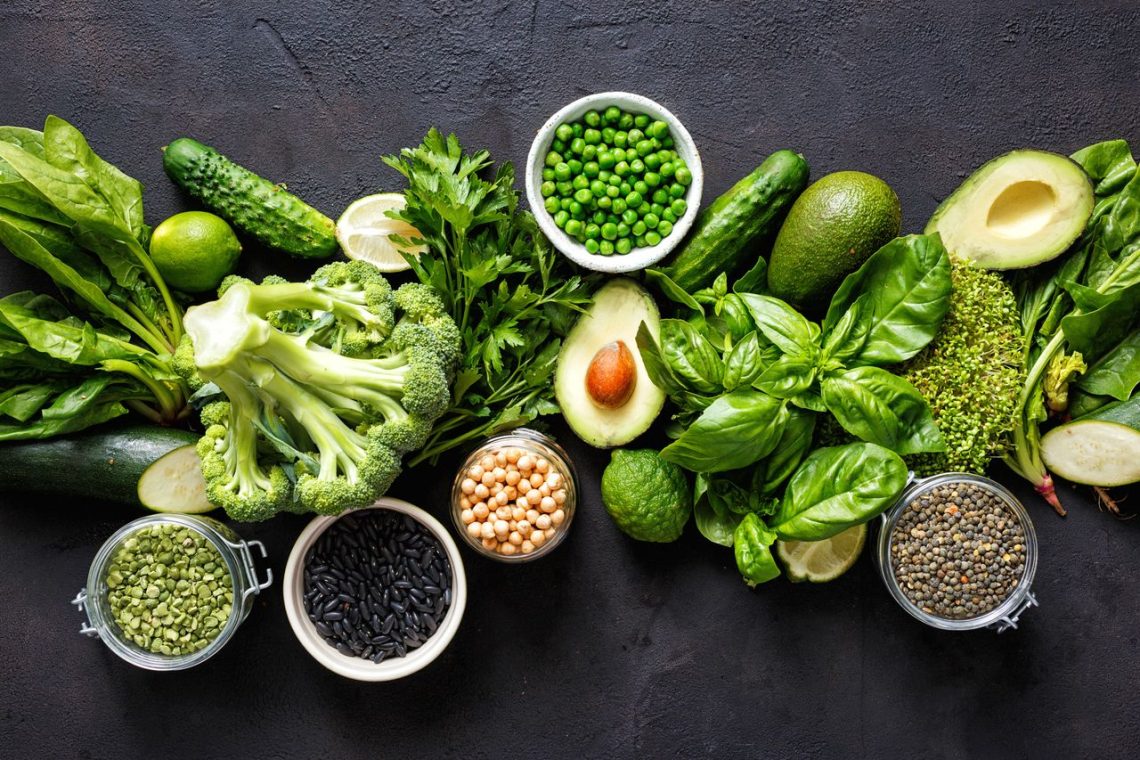
Studies have shown over time that people suffering from type 2 diabetes have definite benefits from consuming vegetables with a low glycemic index.
Nutritionist Igor Strokov listed among the most effective vegetables for controlling blood sugar levels spinach, celery, Brussels sprouts, zucchini, broccoli, bell peppers, and cauliflower.
According to American experts, 100 grams of broccoli contains 3 grams of protein, 6 grams of carbohydrates, and 2 grams of fiber. Broccoli is a vegetable rich in vitamins B9, C, and K, as well as potassium, magnesium, iron, and calcium.
Like other vegetables from the cruciferous family (such as kale and cauliflower), broccoli contains a compound called sulforaphane, which triggers several anti-inflammatory processes that improve glucose control in the blood.
Moreover, numerous studies have shown that cruciferous vegetables balance insulin levels and protect against various types of cancer.
In turn, cabbage contains a lot of fiber, which slows down the absorption of consumed foods and prevents sharp increases in blood sugar levels.
Whether they are green, yellow, or red, bell peppers have a nutritional profile that stands out due to their abundance of antioxidants.
Recommended Foods in a Diabetic Diet
In a diet for diabetes, doctors recommend consuming certain food groups, focusing on those with truly nourishing nutrients for the body:
healthy carbohydrates, meaning complex ones (such as fruits, vegetables, whole grains, legumes, and low-fat dairy products);
foods rich in dietary fiber, such as vegetables, fruits, nuts, legumes (beans, peas, chickpeas, and lentils), whole grains, and whole grain products;
fish such as salmon, mackerel, tuna, sardines, and other types of fish rich in Omega-3 fatty acids.
good fats, which can help lower cholesterol levels: avocado, almonds, pecans, walnuts, olives, olive oil, peanut oil, and canola oil.
Signs That Diabetic Patients Should Be Aware Of
Many people with diabetes report classic symptoms such as excessive thirst, numbness in the hands or feet, frequent urination, unexplained weight loss, or fatigue. However, these are not the only symptoms that may suggest the presence of diabetes.
Scientists argue that there are other symptoms that can guide the diagnosis, alongside the usual blood tests, such as blood sugar levels, glucose tolerance tests, or glycosylated hemoglobin (which shows the average blood sugar levels over the last 3 months).
When Blood Sugar Levels Present Dangers
Blood sugar levels vary throughout the day, which is why they are usually measured through blood tests done in the morning, on an empty stomach. Thus, blood sampling is done before meals, with the rule being not to consume food or other drinks except for water for at least 8 hours.
Values between 120 and 180 mg/dL on an empty stomach are considered borderline, meaning they have a medium risk, likely indicating a pre-diabetic phase, and you should have tests done more frequently to see how it evolves, while a blood sugar level exceeding 300 mg/dL is considered a medical emergency.




