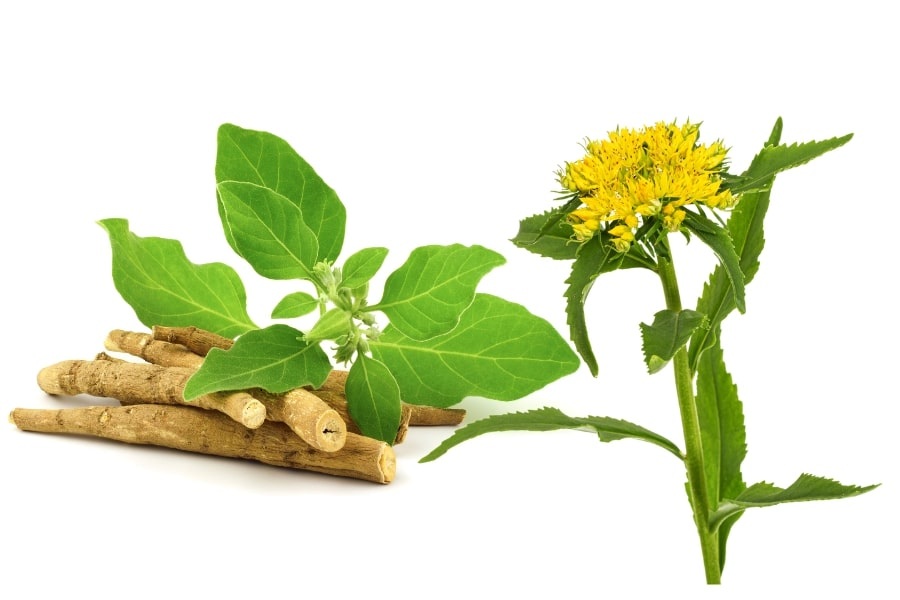
Chronic stress, insomnia, anxiety, and burnout are becoming increasingly common. Instead of immediately resorting to medication, we can support the balance of the nervous system with the help of well-studied medicinal plants recognized for their calming, adaptogenic, and neuroprotective effects.
Top Medicinal Plants with Effects on the Nervous System
- Lemon Balm (Melissa officinalis)
- St. John’s Wort (Hypericum perforatum)
- Valerian (Valeriana officinalis)
- Passionflower (Passiflora incarnata)
- Rhodiola Rosea
- Lavender (Lavandula angustifolia)
- Siberian Ginseng (Eleutherococcus senticosus)
- Ashwagandha (Withania somnifera)
- Skullcap
Relevant Studies and Research
Journal of Ethnopharmacology (2015): Lemon balm has demonstrated anxiolytic and antidepressant effects comparable to classic medications, with no significant side effects.
Cochrane Review (2017): St. John’s Wort is effective in mild to moderate cases of depression, with proven effects in numerous clinical studies.
Phytotherapy Research (2020): Rhodiola Rosea improves adaptation to stress, reduces mental fatigue, and supports cognitive performance.
Frontiers in Psychiatry (2021): Ashwagandha regulates cortisol, supporting hormonal and emotional balance in cases of chronic stress.
How These Plants Work in the Body
Regulate cortisol levels (the stress hormone)
Calm the sympathetic nervous system and stimulate parasympathetic relaxation
Improve sleep quality without excessive sedation
Support neurotransmitters involved in well-being (serotonin, GABA, dopamine)
Protect neurons from oxidative stress and inflammation
Simple Recipes and Usage Methods
Anti-Stress Infusion with Lemon Balm and Lavender
Ingredients:
- 1 tablespoon dried lemon balm
- 1 tablespoon lavender flowers
- 250 ml boiling water
Preparation Method:
- Pour water over the plants.
- Let it steep for 10-15 minutes.
- Consume one cup in the evening, before bedtime.
Effect: mild relaxation, peaceful sleep, reduction of mental tension.
St. John’s Wort Tincture (for depressive states)
Ingredients:
- 50 g dried plant
- 250 ml 40% alcohol (vodka)
Preparation Method:
- The plant is macerated for 10-14 days in a tightly sealed jar, shaking daily.
- Strain and store in a dark glass bottle.
- Administer 20-30 drops twice a day, in a little water.
Warning: may interact with some medications (antidepressants, contraceptives, anticoagulants).
Rhodiola Rosea or Ashwagandha Powder
Administration Method:
- 1 teaspoon (approx. 2-3 g), in the morning, on an empty stomach
- Mix with water, honey, or yogurt
Cures last 3-4 weeks, followed by a break.
Relaxing Bath with Lavender and Valerian
Ingredients:
- 5 tablespoons lavender flowers
- 3 tablespoons valerian root
Preparation Method:
- Boil the plants in 2 liters of water for 10 minutes.
- Strain and pour into the bathwater.
- Stay in the bath for 20 minutes in the evening for deep relaxation.
Precautions
Some plants (e.g., St. John’s Wort) may interact with medications.
Valerian may cause drowsiness; avoid driving after administration.
Pregnant or breastfeeding women should consult a doctor before use.
Medicinal plants offer gentle yet effective support for the nervous system. With scientifically proven effects and a low risk of side effects, they can be easily integrated into daily routines in the form of teas, tinctures, or supplements.




