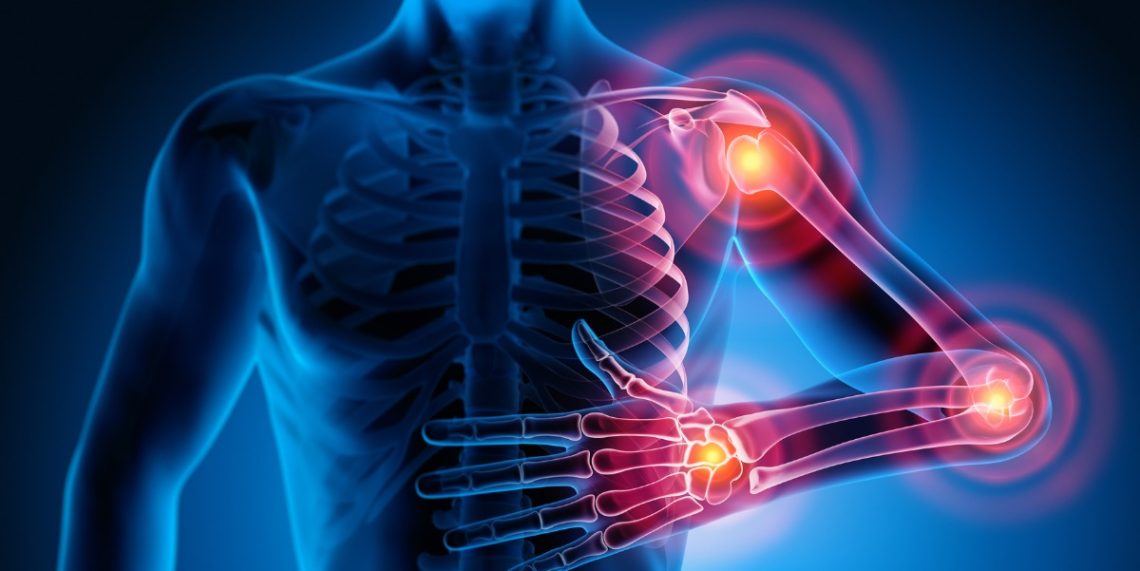
Rheumatism is a chronic condition manifested by sharp pain in the joints. This condition can be of infectious or allergic nature. Conventional treatment involves alleviating symptoms through the administration of analgesics, corticosteroids, and anti-rheumatic drugs. Their effectiveness is not guaranteed, and most often, this treatment yields short-term results.
What is Rheumatism
Rheumatism is a collective term for approximately 200 rheumatic diseases. Among the most well-known are rheumatoid arthritis and osteoarthritis. Rheumatoid arthritis represents the inflammation of one or more joints (polyarthritis) and can occur at any age. Osteoarthritis is characterized by the wear of the joint and the breakdown of cartilage.
Symptoms of Rheumatism
Rheumatic symptoms (or rheumatism) are distinguished by the following five characteristic features:
(1) pain or discomfort, usually perceived in the vicinity of one or more joints (including the spine);
(2) pain when the affected areas are moved;
(3) pain upon touching the affected region;
(4) stiffness of the affected joints, especially after a period of immobility;
(5) symptomatic relief after performing light exercises, but worsening after intense exercises;
(6) worsening of symptoms in response to climatic factors, especially a drop in barometric pressure and an increase in humidity;
(7) improvement of symptoms in response to warming the affected area. Not all painful rheumatic syndromes have all these five characteristics, but most have at least the first four characteristics.
Factors that Aggravate or Alleviate Pain in Rheumatism
There are several factors that can aggravate or alleviate the symptoms of rheumatism. For example, more vigorous exercises can worsen the pain both during and after performing them. Long periods of immobility, especially during sleep, result in the symptom of stiffness, a term known by most patients as rheumatic pain syndrome. Additionally, patients with rheumatism are much more sensitive to weather changes.
Natural Remedies for Rheumatism
Natural remedies can be helpful in treating rheumatic pain, alleviating unpleasant symptoms. Here are some natural remedies you can use to treat rheumatic pain!
Evening Primrose Oil
This oil can alleviate pain caused by rheumatism as it contains an essential fatty acid called gamma-linolenic acid, effective in treating pain. Consult your doctor before consuming this oil for therapeutic purposes, especially if you have liver problems or are undergoing medication for a chronic condition.
Additionally, it is good to know that several factors can interfere with the production of gamma-linolenic acid by the body, including:
aging
nutritional deficiencies
viral infections
certain conditions.
Fish Oil
Fish oil has the ability to reduce inflammation and pain in individuals with rheumatoid arthritis. It can be incorporated into the diet but can also be consumed in the form of dietary supplements. Omega-3 fish oil supplements, especially of the DHA and EPA types, are recommended, both of which are found in seafood. The recommended dose to treat inflammation is 1,000 milligrams twice a day. It is important to note that fish oil can interfere with certain prescription medications, so you should always discuss with your doctor before taking this dietary supplement.
Hot/Cold Compresses
The quickest method to soothe rheumatic pain is to apply hot and cold compresses to the painful areas. Alternating cold compresses with hot ones is even more effective. However, do not overdo it with these compresses. Apply a cold compress for 15 minutes, then take a break of at least 30 minutes between applications.
Acupuncture
A specific method of Chinese medicine, acupuncture can also be used to alleviate rheumatic pain. By inserting fine needles into certain nerve centers, vital energy is stimulated, causing the pain to disappear. A 2018 study showed that individuals with rheumatoid arthritis who turned to acupuncture improved their quality of life. Moreover, this complementary therapy seems to have no adverse effects when combined with typical Western medical treatments.
Massage
If the joints are stiff and painful, a massage can be very helpful. Massage the problematic areas using moderate circular motions. Combine the massage with the use of an anti-inflammatory gel, and the pain will dissipate quickly.
Tea
Mahsa Tehrani, a rheumatologist at a clinic in Vienna, states that any tea can be used to alleviate rheumatic pain as tea has strong anti-inflammatory properties. Ginger tea fights inflammation and alleviates joint pain, green tea reduces joint inflammation caused by rheumatoid arthritis, while black tea is rich in quercetin, which has very strong anti-inflammatory effects.
Aloe Vera
Applying a layer of aloe vera gel to painful joints can work wonders for rheumatic individuals, rapidly alleviating pain.
Hot Pepper
Capsaicin, the active substance in hot peppers, acts directly on pain transmitters. It can be consumed either through food or in the form of capsaicin extract.
Eucalyptus
Applied topically, eucalyptus leaves soothe joint pain.
Physical Exercises
Exercise is extremely important for individuals suffering from rheumatism, regardless of the form it takes. Exercise maintains flexibility and strength in the joints, meaning the condition does not leave the patient immobilized. Activities that do not overstrain the body, such as walking, water exercises, yoga, tai chi, or cycling, are recommended.
Tai chi is a form of martial arts that involves performing gentle, rhythmic movements and positions believed to alleviate pain, reduce inflammation, and slow down joint deterioration. A recent study showed that practicing tai chi can have beneficial effects for patients with rheumatoid arthritis and that the risk of adverse side effects for these patients is very low.
Diet and Supplements
If you have been diagnosed with rheumatoid arthritis, it is important to make some changes to your diet, as certain foods seem to alleviate the symptoms of this condition. For example, a 2020 study showed that adopting a Mediterranean diet (which limits red meat consumption but emphasizes the intake of fresh fruits and vegetables, beans, fish, and olive oil) can lead to a decrease in pain levels in individuals with rheumatoid arthritis.
Moreover, a balanced diet plays an important role in maintaining body weight, as it limits the stress placed on affected joints, reducing the overall level of pain. Experts say that certain types of supplements are helpful for individuals with rheumatoid arthritis, as these patients seem to have lower levels of several different molecules in their bodies, including vitamin D and selenium.
Medicinal Plants
As we have seen above, there are several plants and teas that could alleviate the symptoms of those affected by rheumatism. There are even some medicinal plants with promising effects on individuals with rheumatoid arthritis that deserve mention.
For example, cat’s claw (Uncaria tomentosa) is a vine-like plant that can regulate the defective immune response in individuals with this disease, as shown in an older study.
There are also other plants that could reduce inflammation levels or decrease disease activity, such as turmeric and Andrographis paniculata. According to a recent study, these two plants have the ability to reduce inflammation levels or decrease disease activity in individuals with rheumatoid arthritis.
Ginger and turmeric are also frequently recognized for their antioxidant and anti-inflammatory properties. The current recommendation is for patients to take curcumin, the active form of turmeric. However, the evidence supporting their use in rheumatoid arthritis is still quite limited, so more research is needed to confirm their anti-inflammatory action among patients with rheumatism.
Precautions Regarding Herbal Remedies
Although herbal remedies are natural, they can have some health risks. Some may cause adverse reactions or interact with the medications you are taking. For example, ginger can increase the risk of bleeding, which would be problematic if you are taking blood-thinning medications, such as warfarin. For this reason, before taking any kind of supplement, discuss with your doctor to ensure that they will have the desired effect and do not interact with the medications you are taking.
What You Should Know About the Use of Cannabis for Medical Purposes
Recently, the medical use of cannabidiol has exploded in popularity. Cannabidiol is a substance from the marijuana plant, it is non-psychoactive, meaning it does not affect perception or behavior, and is believed to be a potential treatment for pain caused by arthritis.
Even though a recent study showed that this substance activates the anti-inflammatory receptors in the body and has potential analgesic or pain-relieving properties, there are no studies that confirm that its use could be beneficial for individuals with rheumatoid arthritis.




