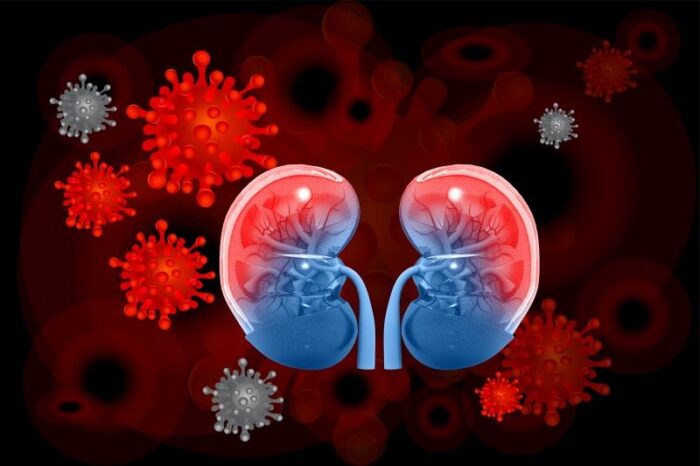
The kidneys are essential organs for the proper functioning of the body. They filter the blood, eliminate toxins and excess fluids, maintain electrolyte balance, and contribute to regulating blood pressure. To keep them healthy, alongside a balanced diet and adequate water intake, certain medicinal plants with diuretic effects can support the natural detoxification process and promote optimal kidney function.
What are diuretic plants?
Diuretic plants are those that stimulate diuresis, meaning the production and elimination of urine. This effect helps to cleanse the urinary tract, eliminate waste, excess water, and some toxins that can overload the kidneys.
1. Horsetail (Equisetum arvense)
Benefits:
This plant is known for its diuretic, remineralizing, and detoxifying effects. It contains organic silicon, flavonoids, and organic acids that help stimulate the kidneys.
What studies say:
A study published in Journal of Ethnopharmacology (2014) demonstrated that horsetail extract has a diuretic effect comparable to hydrochlorothiazide, a commonly used diuretic medication, without affecting electrolyte balance.
Expert opinion:
Dr. Andrew Weil, an expert in integrative medicine, states that horsetail is an excellent choice for gentle kidney detoxification due to its natural diuretic properties.
2. Dandelion (Taraxacum officinale)
Benefits:
Dandelion leaves stimulate urine elimination and contain potassium, an essential mineral often lost due to synthetic diuretic use.
Relevant research:
A study conducted in 2009 showed that dandelion has a significant diuretic effect after just one dose, supporting its traditional use in herbal medicine.
Herbalist recommendation:
British herbalist Sebastian Pole notes that dandelion is one of the most comprehensive plants for supporting liver and kidney functions.
3. Nettle (Urtica dioica)
Benefits:
Nettle has a mild diuretic effect and has been used for centuries to eliminate kidney stones and reduce urinary tract inflammation.
Studies:
Researchers from the University of Belgrade showed that nettle extract significantly stimulates diuresis and may prevent kidney stone formation.
What naturopaths say:
American naturopath Dr. Michael Murray states that nettle is effective in supporting kidney detoxification and treating mild symptoms of fluid retention.
4. Corn Silk (Zea mays)
Benefits:
Corn silk is a traditional remedy for urinary infections, cystitis, and kidney drainage. It is gentle and suitable for children and the elderly.
Scientific evidence:
An article published in Phytotherapy Research (2012) supports that corn silk extract has diuretic and anti-inflammatory properties, with potential in treatments for urinary conditions.
Field statement:
Prof. Dr. Gheorghe Mohan, a specialist in medicinal plants, states that corn silk is a treasure of Romanian phytotherapy for supporting the kidneys.
5. Lingonberry (Vaccinium vitis-idaea)
Benefits:
Although it is mainly known for preventing urinary infections, lingonberry also has a mild diuretic and antiseptic effect, helping to maintain kidney health.
Key study:
The publication Advances in Nutrition (2013) mentioned that lingonberry reduces the incidence of recurrent urinary infections, which indirectly supports renal function by reducing inflammation.
Precautions and Recommendations
-
Consult a specialist before starting a treatment with medicinal plants, especially if you have chronic kidney or heart conditions or are taking diuretic medications.
-
Hydration is essential: diuretic plants increase fluid elimination, so it is vital to drink enough water.
-
Duration of treatment: most diuretic plants are recommended in courses of 2-3 weeks, followed by breaks.
Diuretic plants can be valuable allies in maintaining kidney health, aiding in the natural cleansing of the body. When used correctly and in the context of a healthy lifestyle, they can prevent numerous renal imbalances and improve overall well-being.




