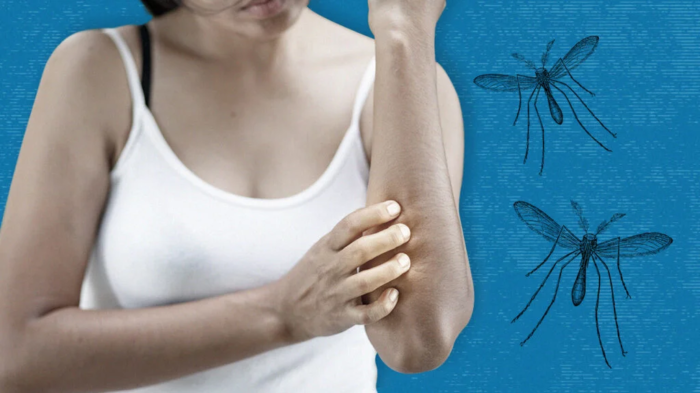
Summer brings not only sunshine and vibrant nature but also the discomfort caused by bites from mosquitoes, bees, wasps, or ants. Swelling, itching, and redness can become bothersome. Fortunately, plant-based ointments with anti-inflammatory, soothing, and regenerative effects can provide quick and natural relief.
Key Plants in the Ointment and How They Work
Calendula (Calendula officinalis)
- Contains flavonoids and triterpenic saponins that reduce inflammation and support skin healing.
- Promotes the regeneration of affected epidermis.
Chamomile (Matricaria chamomilla)
- Rich in alpha-bisabolol and chamazulene, which reduce irritation, itching, and redness.
- Effective for sensitive and inflamed skin.
Lavender (Lavandula angustifolia)
- The essential oil has antiseptic and analgesic effects.
- Reduces the sensation of burning and prevents local infections.
Lemon Balm (Melissa officinalis)
- Has a natural antihistaminic action, reducing swelling and minor local allergic reactions.
Recipe for a Soothing Ointment (Without Preservatives)
Ingredients:
- 30 g calendula oil (from cold maceration)
- 20 g chamomile oil (infused in vegetable oil)
- 5 g natural beeswax
- 5 drops lavender essential oil
- 5 drops lemon balm essential oil (or infused fresh leaves)
Preparation Method:
- Melt the beeswax in a double boiler.
- Add the plant oils and mix gently.
- Remove from heat and add the essential oils.
- Pour into sterilized jars and let cool.
How to Apply
- Apply 2-3 times a day, locally, on the affected area.
- Gently massage until fully absorbed.
- Can also be used preventively in areas prone to bites.
Benefits Explained in Detail
1. Immediate Reduction of Inflammation
Calendula and chamomile quickly soothe irritation and reduce the local inflammatory response caused by insect venom.
2. Relief from Itching and Burning
Lavender and lemon balm act on superficial nerve endings (reducing burning) as well as on histamine released by the body.
3. Prevention of Secondary Infections
Lavender essential oil has antimicrobial properties, reducing the risk of infection for those who scratch the affected area.
4. Regeneration of Affected Skin
The plants stimulate cellular regeneration, aiding in the recovery of skin damaged by scratches or bites.
Contraindications
- Allergy to any of the mentioned plants.
- Do not apply to open wounds or severe rashes.
- Test on a small area of skin first, especially for children under 3 years old.
Studies:
Calendula officinalis extract: Effects on skin inflammation Phytotherapy Research, 2011
The study shows that calendula extract reduces inflammatory infiltrate and accelerates skin healing.
Chamomile: A herbal medicine of the past with a bright future Molecular Medicine Reports, 2010
Confirms the efficacy of chamomile in dermatitis, pruritus, and contact inflammation.
Antimicrobial and anti-inflammatory activity of essential oil of Lavandula angustifolia Journal of Ethnopharmacology, 2005
Demonstrated the antimicrobial and soothing action of lavender oil in minor skin conditions.
Sources:
- Calendula officinalis extract: Effects on skin inflammation Phytotherapy Research, 2011
- Chamomile: A herbal medicine of the past with a bright future Molecular Medicine Reports, 2010
- Antimicrobial and anti-inflammatory activity of essential oil of Lavandula angustifolia Journal of Ethnopharmacology, 2005
- Melissa officinalis L.: Antioxidant and antihistaminic activity Journal of Pharmacy and Pharmacology, 2013




