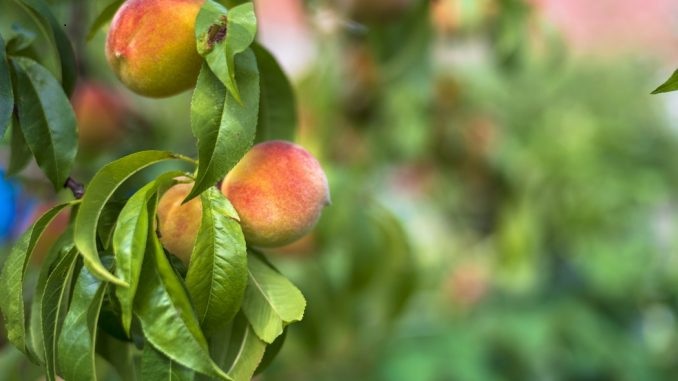
The peach leaf, often overlooked compared to its delicious fruit, contains a series of active substances that confer remarkable therapeutic properties. In traditional medicine, peach leaves are used as a natural remedy for various digestive issues, serving as an effective digestive calmer that is not widely known or used today.
Composition of Peach Leaves
Peach leaves contain a complex combination of bioactive compounds, including:
- Flavonoids (quercetin, kaempferol) – powerful antioxidants with anti-inflammatory effects;
- Tannins – with astringent and protective effects on the digestive mucosa;
- Phenolic acids – with antimicrobial and anti-inflammatory roles;
- Cyanogenic glycosides (in small quantities) – caution is advised in dosage;
- Vitamins (A, C) and essential minerals (magnesium, potassium).
These compounds contribute to soothing the digestive mucosa, reducing inflammation, and regulating intestinal transit.
How to Use
The most common way to use peach leaves is in the form of an infusion:
Recipe for a calming infusion:
- Take 2-3 fresh or dried peach leaves;
- Place them in a cup with 250 ml of boiling water;
- Let steep for 10-15 minutes, then strain;
- Drink one cup, twice a day, 30 minutes before meals.
For quicker effects, it can also be used as a decoction (lightly boiling the leaves for 5-7 minutes).
Benefits
Soothing and Protecting the Digestive Mucosa
The flavonoids and tannins in peach leaves reduce inflammation and irritation of the gastric mucosa, providing a calming effect in cases of gastritis, dyspepsia, or gastric reflux. Tannins have an astringent effect, which helps reduce hyperemia and strengthen the mucosa.
Regulating Digestion and Combating Bloating
Through its anti-inflammatory and carminative effects, peach leaf tea helps reduce intestinal gas and the sensation of bloating, facilitating digestion and normal transit.
Antimicrobial and Antioxidant Properties
Phenolic acids and flavonoids combat certain bacteria and fungi that can disrupt the digestive flora, contributing to maintaining a healthy intestinal ecosystem.
Supporting Hepatic Detoxification
Some studies suggest that extracts from peach leaves may support liver function by protecting liver cells and stimulating the elimination of toxins.
Relevant Studies and Research
- A study published in Journal of Ethnopharmacology (2018) demonstrated that peach leaf extract has a significant anti-inflammatory effect on the gastric mucosa in experimental models, reducing lesions caused by irritating substances.
- Research from Phytotherapy Research highlighted the antimicrobial potential of flavonoids from peach leaves against certain pathogenic intestinal bacteria.
- An analysis from 2021 in Journal of Natural Medicines confirmed the strong antioxidant effect of the leaves, supporting the protection of digestive cells against oxidative stress.
Contraindications and Precautions
- Individuals allergic to plants from the Rosaceae family (peach, apricot, cherry) should avoid using peach leaves.
- Due to the presence of cyanogenic glycosides, high doses or prolonged consumption is not recommended without medical consultation.
- Pregnant women and nursing mothers should seek medical advice before consuming infusions made from peach leaves.
- Administration to young children is not recommended without medical supervision.
The peach leaf remedy represents a valuable and little-known natural remedy in the field of digestive health. Its calming, anti-inflammatory, and antimicrobial effects recommend it as a gentle alternative for supporting digestion and protecting gastric mucosa. When used correctly and moderately, in the form of an infusion, it can provide real benefits, supported by recent scientific research. Like any natural remedy, it should be used with caution, respecting contraindications and medical recommendations.
Sources
- Journal of Ethnopharmacology – Anti-inflammatory effects of peach leaf extracts on gastric mucosa
- Phytotherapy Research – Antimicrobial activity of flavonoids from Rosaceae leaves
- Journal of Natural Medicines – Antioxidant properties of peach (Prunus persica) leaves extracts




