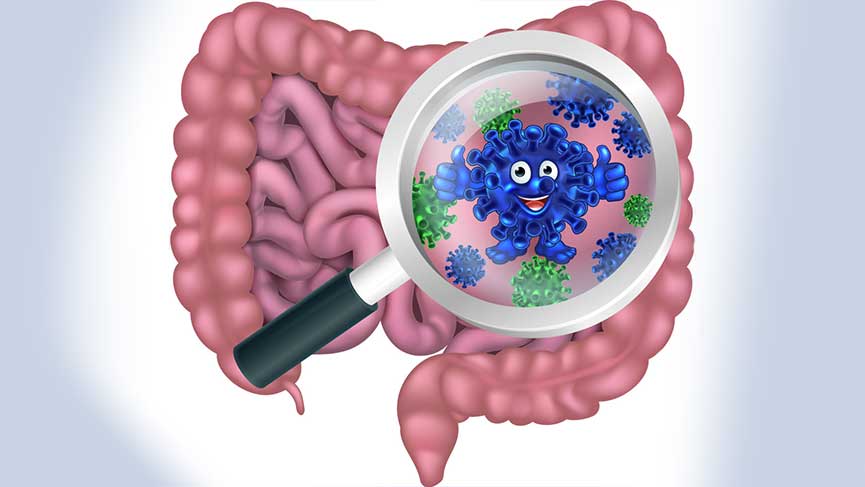
The intestinal flora refers to a set of microorganisms that live in symbiosis in the intestines. It consists of approximately one hundred trillion beneficial bacteria, a number ten times greater than the number of cells present in our body.
As such, these microorganisms perform certain functions in the body, including promoting the synthesis of compounds such as vitamins K and B, facilitating the absorption of calcium and iron in the colon, and promoting intestinal motility.
Additionally, it is responsible for preventing the implantation of external pathogenic bacteria that can cause infections and supports the immune system, enhancing our defense against bacterial and viral infections.
However, the intestinal flora can be altered for multiple reasons, one very common being the consumption of a diet low in fiber and an excess of meat, fats, and sugars, which can have a very negative effect on the flora.
On the other hand, aging is another cause of the alterations that these microorganisms can suffer, as from a certain age onwards, there is an increase in diseases, infections, and digestive symptoms.
The healthiest way to balance the state of the intestinal flora is to consume healthy foods, including probiotics, which contain live microorganisms intended to maintain or improve the good bacteria in the body (normal microbiota).
The probiotic superfood that helps restore the balance of intestinal flora
One highly recommended option is kefir, which is characterized by being a dairy product, meaning it is fermented milk due to the action of a series of yeasts and bacteria.
This probiotic food contains high biological value proteins, calcium, phosphorus, magnesium, B vitamins, and probiotics. Additionally, Ramn de Cangas, from the Advisory Committee of the General Council of Dietitians-Nutritionists in Spain, states that although kefir contains saturated fats, there is scientific evidence suggesting that the fats in milk (from whole dairy products) are not harmful.
Regarding its benefits, being a probiotic food, it helps regenerate the intestinal flora and is indicated in cases of indigestion, candidiasis, constipation, or diarrhea, as well as for stimulating the body’s defenses.
Specifically, for constipation, if strained after 24 hours, kefir milk has a mild laxative effect, while if left for a longer time, in addition to being more acidic, it becomes astringent.




