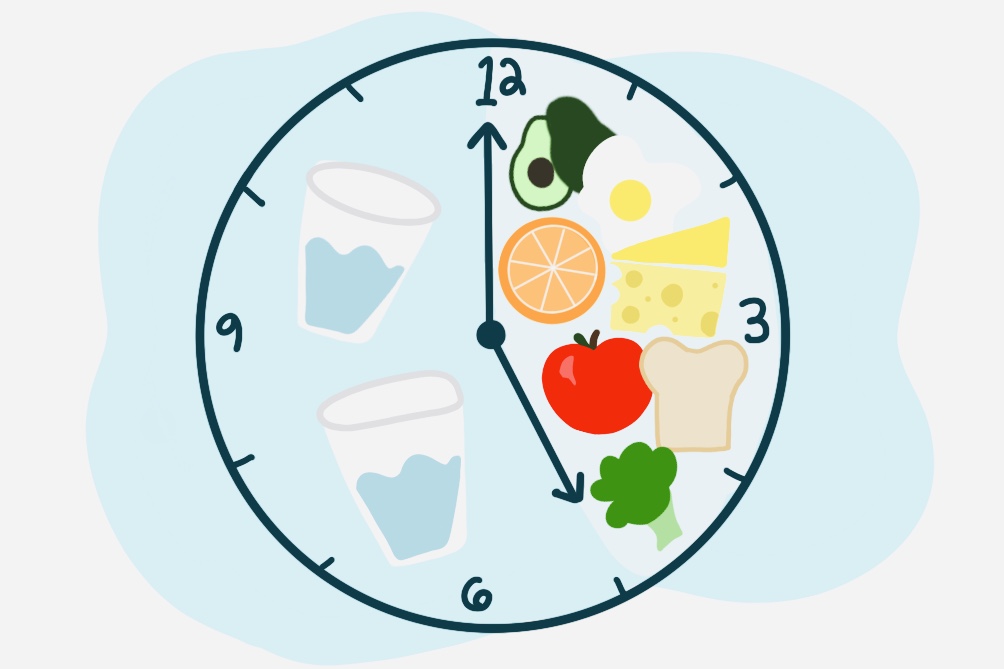
Intermittent fasting is a meal planning method that involves alternating between fasting periods (times when you do not consume calories or restrict caloric intake to a very low level) and normal eating periods. There are different types of intermittent fasting, but the most common are the 16/8 method, the 5:2 method, and the 24-hour fast.
Intermittent fasting has gained popularity in recent years, especially in the context of weight loss and health improvement. Here’s how it helps in the weight loss process:
Caloric intake reduction:
By limiting the time during which you can consume food, intermittent fasting automatically reduces caloric intake. For example, in the 16/8 method, you will have an 8-hour eating window and fast for the next 16 hours. This means you will have fewer hours to eat, leading to a reduction in the amount of food consumed in a day.
Stimulating fat burning:
During fasting, the body begins to burn fat reserves for energy, as it does not receive carbohydrates from food. This can help reduce body fat deposits and promote weight loss.
Controlling blood sugar levels:
Intermittent fasting can help improve insulin sensitivity and regulate blood sugar levels. By reducing meal frequency and carbohydrate intake, fluctuations in insulin levels can be minimized, which may contribute to a lower risk of abdominal fat accumulation and insulin resistance.
Boosting metabolism:
Some studies suggest that intermittent fasting may boost metabolism and increase the rate of calorie burning in the body. However, the precise effects may vary from person to person.
Promoting autophagy:
Autophagy is a process by which the body’s cells eliminate and recycle damaged or unnecessary cellular components. Intermittent fasting has been associated with stimulating autophagy, which can help improve cellular health and protect against conditions such as cardiovascular diseases, type 2 diabetes, and cancer.
Enhancing insulin sensitivity:
Intermittent fasting can increase insulin sensitivity and help control blood sugar levels. This is important in the weight loss process, as reduced insulin sensitivity can lead to weight gain and difficulties in burning fat.
Reducing inflammation:
Chronic inflammation can be a contributing factor to weight gain and slow weight loss. Intermittent fasting may help reduce inflammation in the body, positively impacting metabolism and overall health.
Regulating hunger and satiety hormones:
Intermittent fasting can help regulate hormones involved in hunger and satiety, such as ghrelin and leptin. This aids in controlling food cravings and excessive food intake, facilitating the weight loss process.
It is important to note that the beneficial effects of intermittent fasting can vary from person to person and depend on several factors, including lifestyle, eating habits, and individual health status. Before starting intermittent fasting, it is recommended to consult with a doctor or a nutrition specialist for personalized advice and to ensure it is suitable for you.
How to practice intermittent fasting?
Intermittent fasting can be adapted based on individual preferences and lifestyle. Here are some common methods of practicing intermittent fasting:
16/8 method:
This is one of the most popular types of intermittent fasting. It involves an 8-hour eating window and a 16-hour fasting period. For example, you might choose to eat between 12:00 PM and 8:00 PM and fast from 8:00 PM until 12:00 PM the next day.
5:2 method:
This type of intermittent fasting involves eating normally for 5 days a week, and on the other 2 days, restricting caloric intake to about 500-600 calories per day. On those restriction days, it is recommended to distribute these calories throughout the day.
24-hour fast:
This involves complete fasting for 24 hours, usually once or twice a week. For example, you might choose to fast from dinner at 7:00 PM until dinner at 7:00 PM the next day.
It is recommended to consume healthy and balanced foods during the eating periods and to pay attention to the nutritional value of the foods you consume. In general, it is important to ensure you are getting enough essential nutrients and to monitor the total caloric intake during eating periods.
Attention:
It is important to emphasize that intermittent fasting is not suitable for everyone and may be contraindicated for certain individuals, such as those with specific medical conditions or pregnant or breastfeeding women.