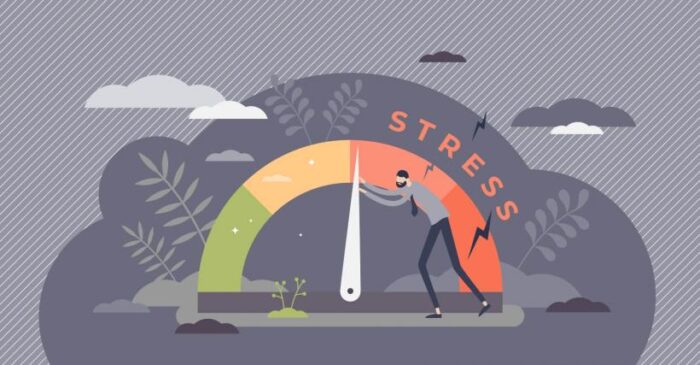
Many of us have heard the claim that 99.9% of illnesses are unresolved emotional conflicts. Although this may seem like a radical approach, there is a strong connection between our emotional state and physical health. Unresolved emotions, such as stress, fears, or past traumas, can negatively affect the functioning of our body and contribute to the development of physical ailments.
How is this theory explained?
According to this perspective, unresolved emotions and thoughts can create energy blockages in the body, which can lead to physical dysfunctions. For example, chronic stress and emotional conflicts can weaken the immune system, making it easier for various diseases to develop, from cardiovascular issues to digestive or dermatological disorders. Psychosomatics suggests that when we do not process or manage our inner conflicts properly, they can manifest as physical symptoms.
What are unresolved emotional conflicts?
Unresolved emotional conflicts can include past traumas, fears, anxieties, anger, or regrets that have not been expressed or processed correctly. These conflicts can be conscious (obvious problems or resentments) or subconscious (repressed emotions or misunderstandings from childhood). When these conflicts are not managed, they can negatively impact both our psychological and physical well-being.
The Connection Between Emotions and Health
There are studies suggesting a link between our emotional state and certain physical ailments. For example:
- Chronic stress can lead to health problems such as high blood pressure, digestive issues, and even autoimmune diseases.
- Anxiety and depression have been associated with an increased risk of cardiovascular diseases.
- Feelings of anger or resentment can affect liver health, according to some psychosomatic theories.
It is also important to note that conventional medicine does not completely reject this connection, but generally supports the idea that diseases can also be caused by physical factors such as genetics, infections, or unhealthy behaviors (e.g., diet, smoking, lack of physical exercise). Therefore, in many cases, traditional treatments and psychological approaches are used in parallel to address both physical symptoms and emotional issues.
How can we resolve emotional conflicts?
To prevent the negative impact of emotional conflicts on health, it is essential to learn how to manage and resolve these conflicts. Some approaches that can help include:
- Psychological therapy: Counseling and psychotherapy can help identify and process internal conflicts.
- Meditation and mindfulness: These practices are excellent for learning to stay present and manage emotions in a healthy way.
- Physical exercise: Physical activity helps reduce stress and can improve overall well-being.
- Relaxation techniques: Deep breathing and other relaxation techniques can help reduce emotional tension.




