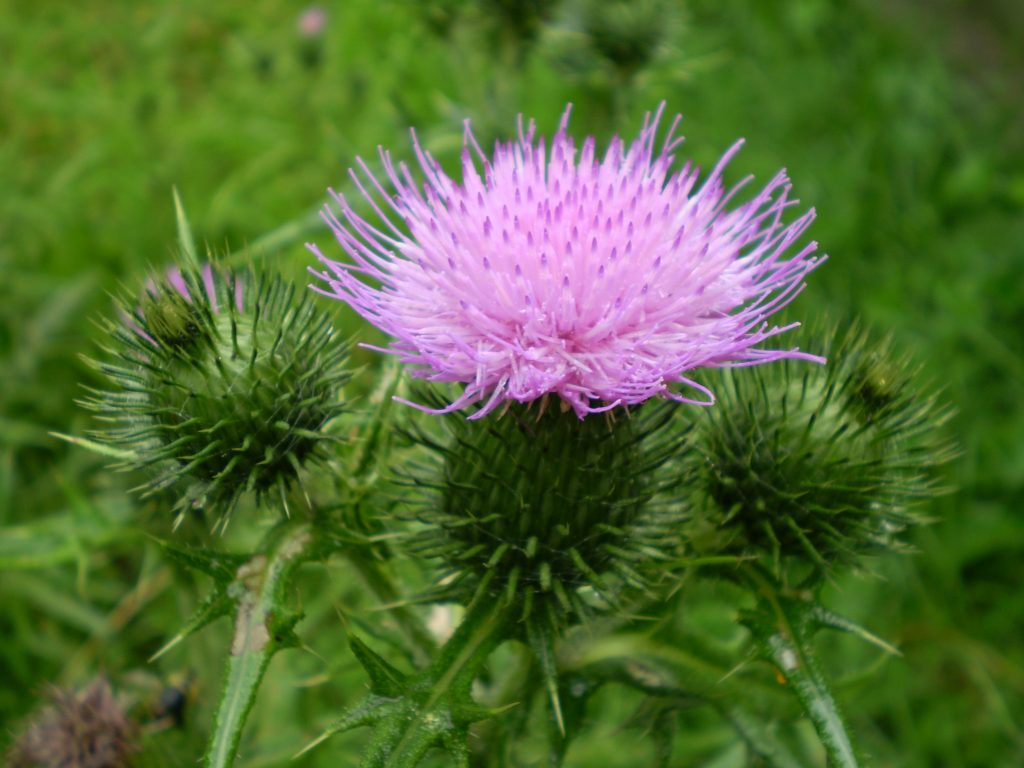
When the liver is overloaded, the entire body suffers, and the signs are often visible on the skin. Milk thistle, also known as Silybum marianum, comes to the aid of those seeking a natural remedy for liver detoxification and improving skin appearance.
This spiny plant, seemingly modest, hides in its seeds a complex of active substances with regenerative effects on the liver and a direct impact on skin affected by toxins, acne, or eczema.
Essential Benefits of Milk Thistle:
Liver Regeneration
Silybin, the main active component in milk thistle, belongs to a complex of flavonolignans called silymarin. It has a strong hepatoprotective effect: it protects liver cells from the action of toxins and stimulates protein synthesis, thus contributing to the regeneration of liver cells.
In cases of fatty liver, chronic hepatitis, or excessive consumption of processed foods and alcohol, milk thistle can support the natural recovery process of the liver.
Detoxification and Blood Purification
The liver is the main detoxifying organ, and its slow functioning leads to the accumulation of toxins in the blood. These can manifest as acne, dull skin, eczema, or psoriasis. By stimulating liver functions, milk thistle helps cleanse the blood, quickly reflecting in skin health.
Anti-inflammatory and Antioxidant Effects
Silymarin also has antioxidant properties, protecting cells against oxidative stress and inflammation. This effect is beneficial not only for the liver but also for irritated, red, or inflamed skin.
What Studies Say:
-
Silymarin in liver diseases: what is the clinical evidence? Clinical Liver Disease (2016):
This study confirms the efficacy of silymarin in liver regeneration in cases of viral hepatitis, alcoholic liver disease, and non-alcoholic fatty liver. -
Milk Thistle in Dermatology International Journal of Clinical and Experimental Medicine (2015):
The study highlights that silymarin reduces inflammation and oxidative stress in the skin, being promising as an adjunct in the treatment of acne and dermatitis. -
The efficacy of silymarin in the treatment of acne vulgaris Journal of Clinical and Aesthetic Dermatology (2012):
Results show a significant reduction in acne lesions after administration of milk thistle extract for 8 weeks.
Natural Recipes with Milk Thistle
1. Milk Thistle Seed Infusion
Ingredients:
-
1 tablespoon of crushed milk thistle seeds
-
250 ml boiling water
Preparation method:
Let it steep for 10-15 minutes, then strain. Consume 2 cups a day, 30 minutes before meals.
2. Milk Thistle Tincture (internal)
Ingredients:
-
100 g crushed milk thistle seeds
-
500 ml 40% food-grade alcohol
Preparation method:
Let it macerate for 14 days, shaking daily. Strain and store in a dark bottle. Administer 20-30 drops 3 times a day, diluted in water.
3. Milk Thistle Oil for Skin
Ingredients:
-
3 tablespoons of milk thistle seeds
-
100 ml cold-pressed oil (almond, olive, hemp)
Preparation method:
Macerate the seeds in oil, in a warm place, for 10 days. Strain and apply locally to areas affected by acne, psoriasis, or eczema.
Contraindications and Precautions
-
Pregnant or breastfeeding women should consult a doctor before use.
-
People allergic to plants in the Asteraceae family (daisies, ragweed, etc.) may have allergic reactions.
-
Drug interactions: milk thistle may influence the metabolism of certain medications (statins, anticoagulants). Consult a doctor in case of chronic treatments.
-
Avoid high doses or excess tincture, as it may lead to laxative effects or gastric discomfort.
Sources:
-
Clinical Liver Disease Silymarin in liver diseases: what is the clinical evidence?
-
International Journal of Clinical and Experimental Medicine Milk Thistle in Dermatology
-
Journal of Clinical and Aesthetic Dermatology The efficacy of silymarin in the treatment of acne vulgaris




