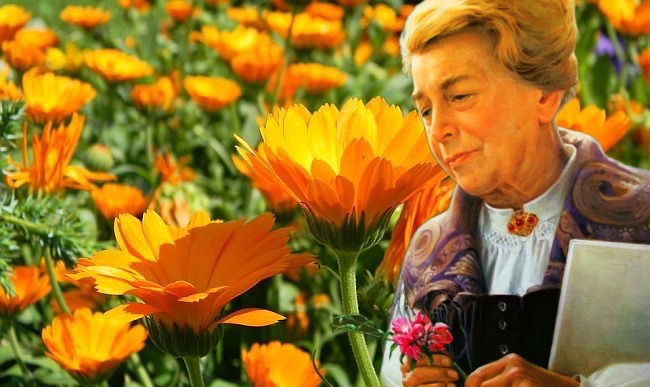
In her famous book Health from the Pharmacy of the Lord, Maria Treben has passed down one of the most powerful natural recipes for liver, gallbladder, and stomach ailments: a mix of herbs from marigold, yarrow, and St. John’s wort. This combination is considered by the author a blessing for individuals suffering from liver problems, inflammation of the gallbladder, biliary dyskinesia, or recurrent indigestion.
For liver and gallbladder diseases, tea made from a mix of marigold, yarrow, and St. John’s wort should be consumed daily. Maria Treben
Ingredients (for 1 cup):
- 1 tablespoon of marigold flowers (Calendula officinalis)
- 1 tablespoon of yarrow (Achillea millefolium)
- 1 tablespoon of St. John’s wort (Hypericum perforatum)
- 250 ml boiling water
Preparation method:
- Mix the three herbs in equal proportions.
- Place 1 tablespoon of the herb mixture into a cup.
- Pour 250 ml of boiling water over them.
- Cover the cup and let it steep for 10 minutes.
- Strain the tea and drink it slowly, in small sips, on an empty stomach in the morning or in the evening before bed.
Maria Treben recommends daily consumption for a course of at least 2-3 weeks, depending on the severity of the issue.
Benefits
Marigold:
Recognized for their hepatoprotective and anti-inflammatory properties, marigold flowers stimulate the regeneration of liver cells, soothe irritated mucous membranes, and support liver detoxification.
Studies have demonstrated significant antioxidant effects due to flavonoids and triterpenoids.
Yarrow:
Acts as a natural choleretic (stimulating bile secretion), helping to dissolve spasms in the gallbladder and liver area. It also supports digestion and reduces bloating.
St. John’s Wort:
Contributes to regulating bile secretion, has an antispasmodic effect, and supports the autonomic nervous system, being extremely useful in cases where hepatobiliary dysfunctions are accompanied by anxiety or irritability.
Contraindications:
- Pregnant or breastfeeding women should consult a doctor before use.
- St. John’s wort may interact with numerous medications, including antidepressants, contraceptives, or anticoagulants.
- Marigold may cause allergic reactions in individuals sensitive to the Asteraceae family.
- The tea should not be consumed by individuals with severe gastric issues (e.g., active ulcers) unless advised by a doctor.




