11
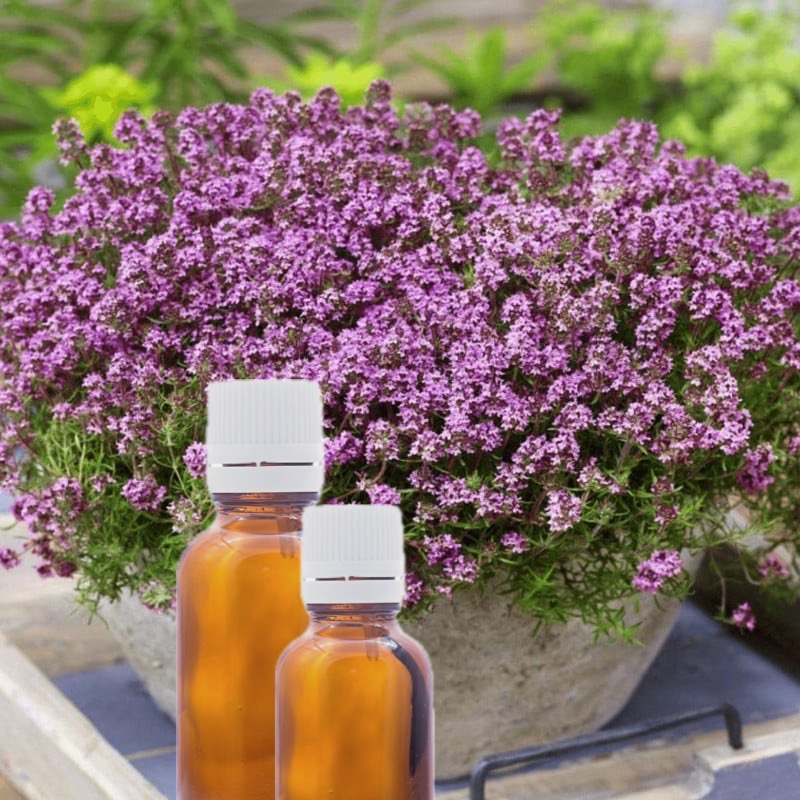
Thyme Tincture (Thymus serpyllum) is a concentrated remedy, valuable in natural medicine due to the active compounds in the plant, which act simultaneously on the respiratory system, the nervous system, and digestion. This preparation has a long tradition in the villages of the Subcarpathian region, where it was used for lung and stomach issues.
Active Composition
Thyme contains:
- Thymol and Carvacrol – essential oils with strong antimicrobial and antifungal effects
- Flavonoids – natural antioxidants
- Tannins – astringent and anti-inflammatory effects
- Phenolic Acids – with expectorant and bronchodilator action
Benefits
1. Chronic and Acute Respiratory Conditions
- The tincture thins bronchial secretions and promotes expectoration.
- It has an antitussive effect, useful in bronchitis, whooping cough, and sinusitis.
- A study published in Phytotherapy Research (2020) demonstrated that thymol reduces pulmonary inflammation in patients with chronic bronchitis.
2. Tensioned Nervous System
- Thyme acts as a mild anxiolytic, reducing irritability and stress.
- Administered in the evening, it can induce a state of relaxation.
- A clinical study in Journal of Ethnopharmacology (2018) showed a reduction in insomnia and agitation in patients with chronic stress.
3. Slow Digestion and Bloating
- Stimulates gastric and bile secretions.
- Calms abdominal colic and aids in dyspepsia.
- In folk medicine, it was administered for those with a troubled stomach and overloaded liver.
Thyme Tincture Recipe
Ingredients:
- 50 g dried plant (thyme)
- 250 ml food-grade alcohol (40-50%) or quality vodka
Preparation Method:
- The plant is crushed and placed in a glass jar.
- Alcohol is poured over it, and the jar is sealed tightly.
- Let it macerate for 14 days in a dark place, shaking daily.
- Strain and store in dark-colored bottles.
Dosage:
- Internally: 20-30 drops 2-3 times a day, diluted in a little water.
- Externally: compresses or rubs for muscle or rheumatic pain.
Contraindications
- Not to be administered to pregnant or breastfeeding women.
- Avoid use in cases of active gastric or duodenal ulcers.
- May interact with sedative medications; consult a doctor.
- Not recommended for children under 7 years old.
Sources:
- Thymus serpyllum: chemical composition and pharmacological properties Phytotherapy Research, 2020
- Anxiolytic effect of Thymus extract on stress-induced insomnia Journal of Ethnopharmacology, 2018
- Traditional Herbal Remedies from Sub-Carpathian Romania Ethnobotany Journal, 2019




