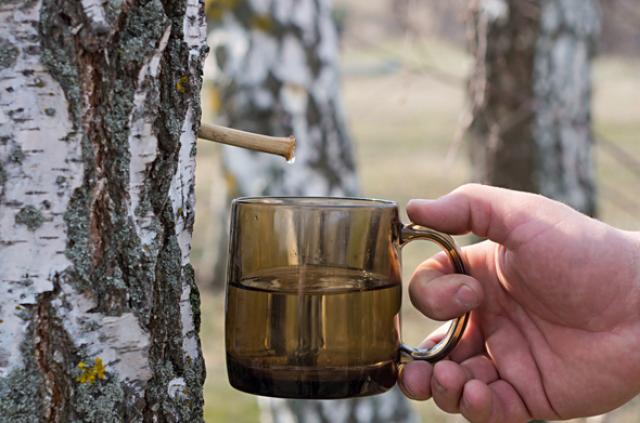
In spring, nature comes back to life, and the sap of trees becomes a true elixir for health. This vital substance, rich in nutrients, has been used for centuries in traditional medicine for detoxification and revitalization.
What is tree sap and what does it contain?
Tree sap is the nutrient-rich liquid that circulates through the trunk of trees, transporting water and minerals from the roots to the leaves. It contains:
- Vitamins: B1, B2, B3, B6, C
- Minerals: potassium, calcium, magnesium, iron, zinc
- Enzymes and amino acids
- Antioxidants and flavonoids
- Phytohormones with beneficial effects on metabolism
Among the trees from which sap can be collected are the birch, maple, and walnut, each having slightly different compositions, but all beneficial for health.
How is sap extracted?
The extraction of sap is a delicate process that must be done carefully to avoid harming the tree’s health. The traditional method involves:
- Selecting a healthy tree with a diameter of at least 20 cm.
- Making an incision in the trunk at a height of about 1 meter.
- Inserting a special tube or tap for collection.
- Placing a container at the base of the tree to collect sap for several hours.
- After collection, the hole is sealed with beeswax or a piece of wood to prevent infections.
The sap should be consumed fresh, as it oxidizes quickly. Alternatively, it can be refrigerated for a few days or fermented for longer preservation.
The benefits of consuming sap
Modern studies confirm the numerous benefits of consuming sap, including:
- Detoxification – helps eliminate toxins by stimulating the kidneys and liver.
- Deep hydration – due to its high water and electrolyte content.
- Improved digestion – the enzymes in sap support intestinal flora.
- Strengthening the immune system – due to vitamins and antioxidants.
- Natural energy boost – the natural sugars provide an energy boost without side effects.
What do specialists say?
Recent research shows that birch sap has remarkable anti-inflammatory and antioxidant properties. Dr. Elena Popescu, a specialist in natural medicine, states: The sap of trees is a natural source of minerals and beneficial enzymes for the body, especially during the transition period between winter and spring.
A study conducted by the University of Helsinki demonstrated that birch sap can help reduce inflammation and improve blood circulation. Additionally, nutritionists recommend consuming it in 10-15 day courses for optimal effects.
How to consume sap?
Tree sap can be consumed as is or used in various preparations:
- In smoothies, for an extra nutrient boost
- Mixed with honey and lemon for a revitalizing tonic
- Fermented, to create a probiotic beverage
Contraindications and precautions
Although sap is generally safe for consumption, there are a few aspects to consider:
- People allergic to pollen or salicylates should test a small amount before starting a regimen.
- Fermented sap may contain alcohol, so it is not recommended for children and pregnant women.
- Sap collected from trees in polluted areas may contain heavy metals.
The sap of trees is a gift from nature, a revitalizing elixir ideal for detoxifying and strengthening the body in spring. When consumed correctly, it can bring multiple health benefits, being a natural remedy with tradition and scientific support. If you have the opportunity to try fresh birch or maple sap, do not hesitate; your body will thank you!




